9 Great Sci-Fi Movies With Completely Bizarre Time Travel Rules
These inventive science-fiction films treat time travel less like a machine and more like a puzzle, a curse, or a change in perception.

Time travel is one of science fiction’s most flexible ideas. In some films, it depends on a machine covered in flashing lights. In others, a person needs only the right memory, a strange piece of information, or a doorway that should not exist. The most memorable time-travel stories are often the ones that refuse to explain everything in familiar terms.
That freedom allows filmmakers to treat time as a physical place, a psychological state, or even a language. The rules can be strict, deliberately confusing, or so strange that the characters do not understand them until it is too late. What matters is that the idea creates consequences. A small decision can fracture reality, trap someone in a loop, or reveal that the past and future were never as separate as they appeared.
The following films stand out because their versions of time travel do not follow a single formula. Some involve actual journeys through history, while others redefine what “traveling” through time means in the first place. Each one asks audiences to look at cause and effect from an unusual angle.



Arrival takes one of the most unusual approaches to time in modern science fiction. The film does not center on a conventional time machine or a character physically moving into another era. Instead, it connects the experience of time to language. As linguist Louise Banks learns to communicate with visitors from another world, her understanding of reality begins to change.
The film’s central idea is that language can influence the way people organize their thoughts. In this case, learning an alien language does far more than allow Louise to translate unfamiliar words. It changes how she experiences events, making moments that seem to belong to the future feel as immediate and emotionally real as memories from the past. Time becomes something she can perceive in a different order rather than a road she must travel along.
That rule gives Arrival its distinctive emotional power. The story’s mystery is not simply about discovering what will happen. It is about deciding whether knowledge of painful events makes those events less meaningful. The film turns time travel into a question of acceptance, suggesting that seeing the whole shape of a life does not necessarily make the choices within it easier.



Donnie Darko presents time travel as a dangerous disturbance in reality. Its story involves a version of the universe that has gone wrong, creating a temporary reality with its own unstable logic. Donnie is drawn into events involving visions, death, destiny, and a looming catastrophe, but the film carefully avoids making the process feel like a tidy scientific experiment.
One of the film’s strangest rules is that the people inside this altered reality appear to be pushed toward particular actions, even when they do not understand why. Their choices form part of a larger chain that must eventually correct itself. The characters are not simply choosing between an ordinary timeline and an alternate one; they are moving through a structure that seems designed to collapse.
Donnie Darko also treats time travel as something connected to sacrifice. Understanding the rules does not grant the characters unlimited power. Instead, it reveals that restoring the proper order may require someone to recognize the truth and accept an outcome that cannot be avoided. The film’s ambiguity is part of its appeal: its mythology offers clues, but its emotional meaning remains open to interpretation.


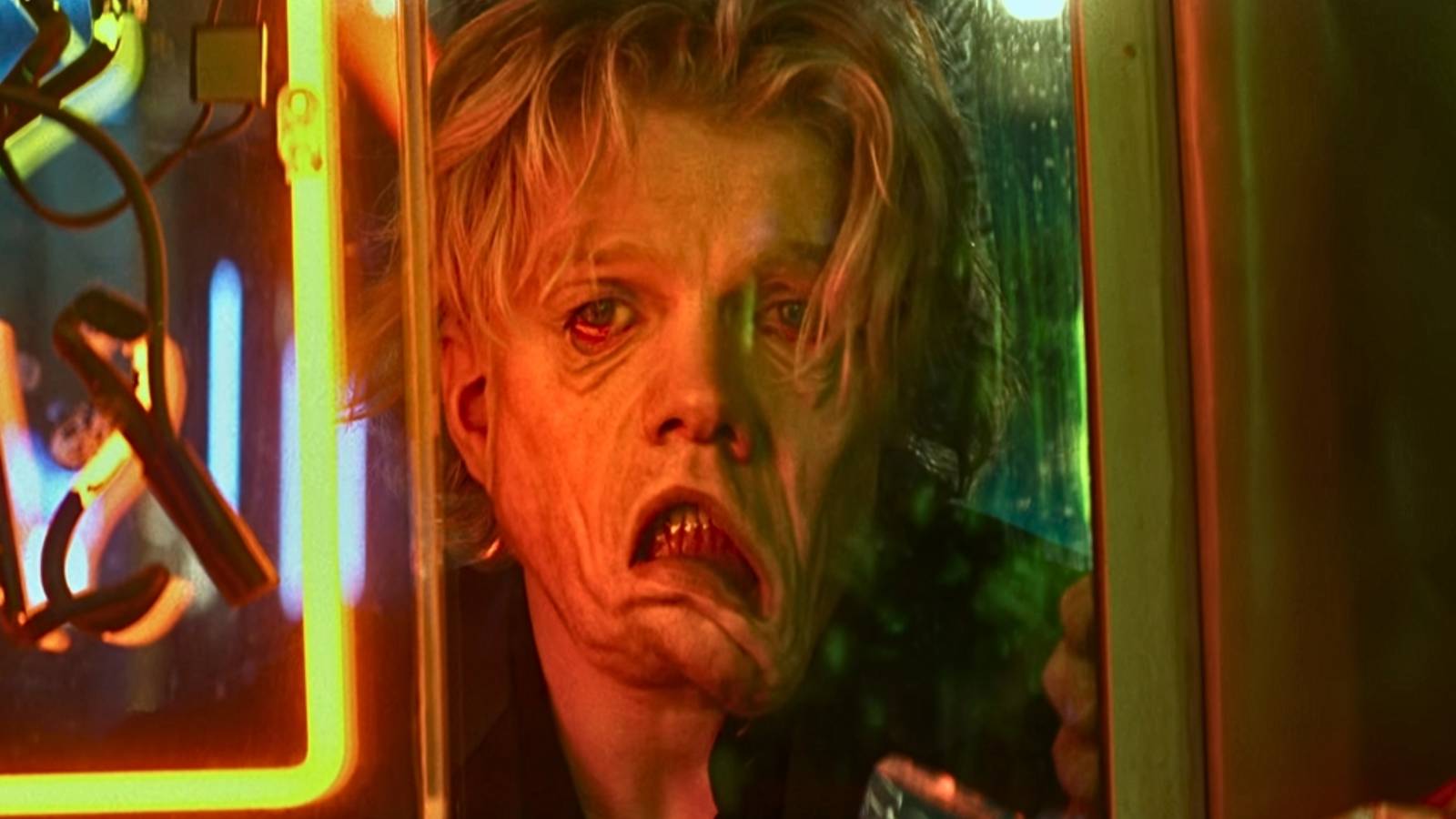
Primer is famous for making time travel feel less like a fantasy and more like an engineering accident. Two inventors create a device that produces a strange effect involving the passage of time. Their discovery is technically explained through conversations, diagrams, and increasingly complicated experiments, but the film never makes the consequences feel safe or manageable.
The key rule is that the device does not simply send a user into the future with a clean beginning and ending. The characters must deal with the duration during which the machine is active, and they can use that window to move backward. Once multiple versions of the same device are operating, the number of possible timelines and duplicate actions begins to multiply.
That structure makes Primer unusually demanding. The characters’ greatest problem is not merely deciding when to travel. It is keeping track of what they have already done, what another version of themselves may be doing, and whether their own memories can be trusted. The film’s stripped-down style reinforces the idea that a discovery this powerful could emerge from ordinary people before they have developed the wisdom to control it.


Predestination takes the paradox of time travel and builds an entire identity mystery around it. The film follows a temporal agent whose assignments involve preventing crimes before they happen. During one mission, the agent encounters a person whose life is tied to the investigation in a way that becomes increasingly difficult to separate from the agent’s own history.
Its time-travel rule is based on a closed loop. Events do not always have a clear first cause because the past, present, and future continuously create one another. A person can become connected to their own origin, while information can exist without an obvious point at which it was invented. The result is a story in which the question “What happened first?” may have no conventional answer.
Predestination uses that paradox not only as a puzzle but also as a meditation on identity. The characters are forced to ask whether a life is defined by biology, memory, choice, or the roles imposed by a mission. The film’s most unsettling idea is that escaping a destiny may be impossible when every attempt to change it becomes part of the same destiny.


Looper gives time travel a more familiar surface, but its rules become increasingly strange once the story examines their consequences. In this world, people from the future can be sent into the past to be killed by professional assassins known as loopers. The job is designed to protect the future from the legal and practical problems of disposing of bodies in an era where technology can track almost everything.
The most important rule is that the past can be changed. A future version of a person can meet their younger self, and the two are not treated as separate strangers for long. Their actions begin to influence one another, creating the possibility that a child’s future identity might be altered before that identity ever develops.
Looper’s version of time travel is therefore less concerned with preserving a fixed timeline than with the moral cost of changing one. The film asks how far someone should go to prevent a terrible future when doing so could involve harming an innocent child. Its time paradoxes matter because they turn abstract questions about causality into direct conflicts between people who know that their lives are connected.


The Butterfly Effect uses time travel as an extension of memory. The central character discovers that he can return to specific moments from his past by revisiting written records and emotionally reconnecting with what happened. He cannot casually stroll through history or observe events from a distance. His access to the past is personal, unstable, and tied to his own mind.
Every alteration creates a new present, but the changes do not solve problems in a simple way. Improving one part of a person’s life can damage another. A decision made with good intentions can produce an outcome that is even more painful than the original. The film’s rule is built around the idea that a life is a network of connected consequences, not a collection of isolated moments.
The title refers to the familiar butterfly-effect concept: a small change can produce enormous results over time. Here, that idea becomes intimate. The character is not trying to reshape civilization or win a war. He is attempting to protect people he loves, only to discover that control over the past does not guarantee happiness in the present.

Tenet approaches time travel through inversion rather than traditional movement into the past. Certain objects and people can have their entropy reversed, allowing them to move backward relative to the ordinary flow of the world. They are not simply disappearing from one date and appearing at another. They are experiencing the same environment from an opposing direction.
This creates bizarre visual and physical rules. A bullet may appear to return to a weapon, a fire can behave like an unusual source of cold, and a person moving through an inverted environment must account for how air, motion, and cause and effect work around them. The characters can also interact with events from two different temporal directions, meaning that an action may be understood only after its consequences have already been seen.
Tenet’s system is intentionally difficult to absorb because the characters themselves are learning how it works while using it. Its central idea is that the past and future can surround the present at the same time. Rather than asking whether history can be changed, the film focuses on whether events are already shaped by actions that have yet to occur.


The Endless treats time travel as a supernatural trap disguised as an ordinary place. Two brothers return to a community they escaped years earlier, only to discover that the group’s beliefs may be connected to a strange force controlling the area. The film gradually reveals that time does not pass there in a normal, shared way.
Different locations are caught in repeating intervals. People inside those spaces can live through the same stretch of time again and again, while the length of each loop can vary. Some loops are brief and horrifying; others last long enough for entire lives to unfold. The people trapped within them may recognize the pattern, but recognition does not automatically provide a way out.
The Endless makes repetition feel less like a clever puzzle and more like a form of imprisonment. Its time-travel rules raise questions about free will, belief, and the temptation to remain inside a familiar cycle. A loop may protect someone from uncertainty, but it also prevents genuine change. The film’s unsettling atmosphere comes from the possibility that escape may be less appealing than the life waiting outside.

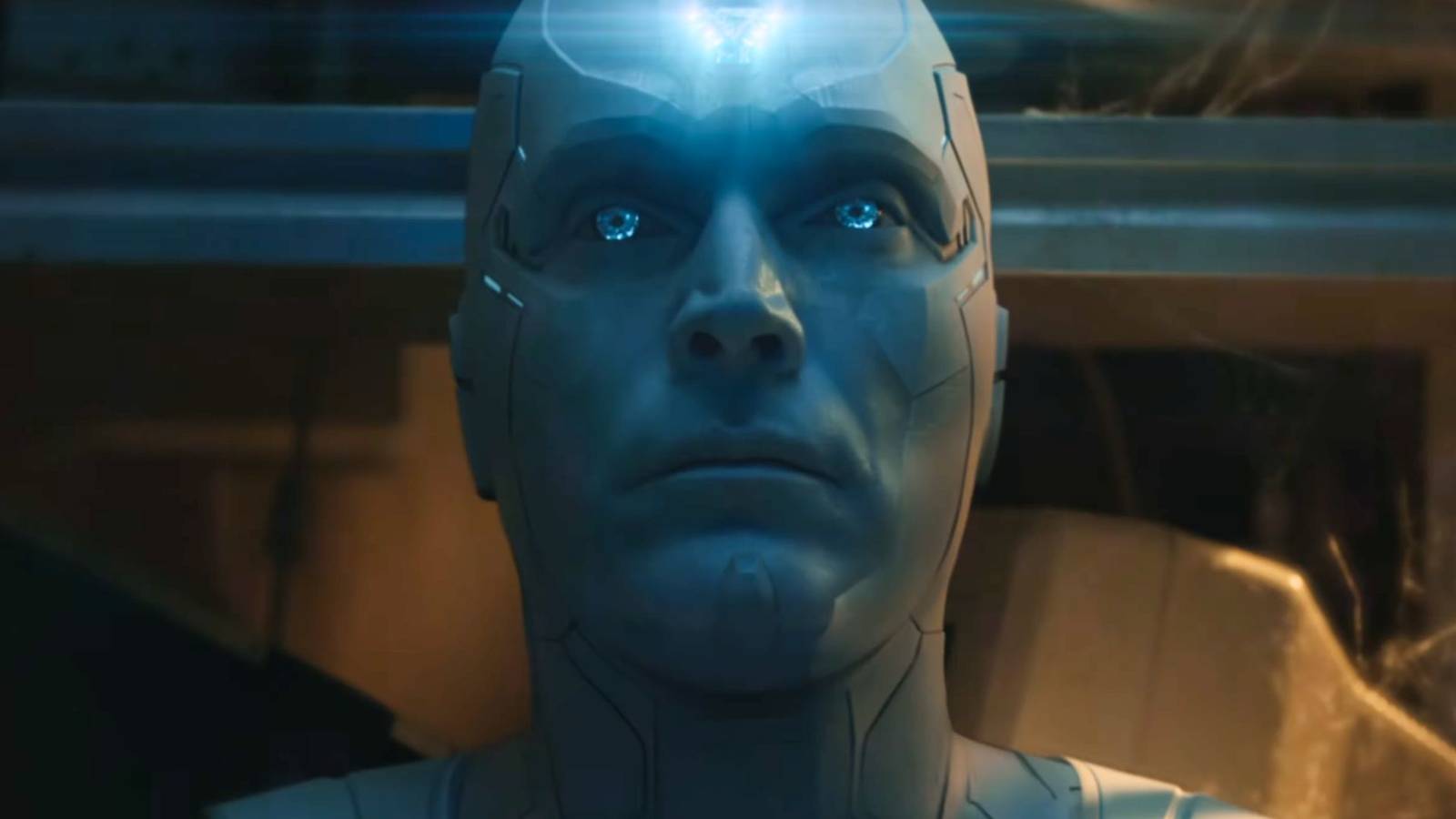
About Time presents one of the gentlest versions of time travel, which may also make its rules among the most emotionally complicated. The ability is passed through a family, and its users can return to moments in their own lives. There is no grand machine, government program, or cosmic battle required. The power is personal and initially seems almost practical.
At first, the ability appears to offer an easy solution to embarrassment, mistakes, and missed opportunities. A person can revisit a conversation, change a decision, or try again after an awkward encounter. But the film gradually establishes that changing one event can alter other relationships and circumstances. Even when the traveler gets the result they wanted, the new version of life may contain losses they did not anticipate.
About Time eventually turns the concept away from perfecting the past. Its most important rule is not a technical limitation but a lesson about attention. The characters learn that repeatedly correcting life can prevent them from actually living it. Time travel becomes a way to understand ordinary moments rather than a method for escaping them.


What connects these films is their willingness to make time travel strange again. They do not all treat it as a vehicle that carries passengers from one date to another. In Arrival, it changes perception. In Primer, it creates layers of conflicting decisions. In Predestination, it erases the comfort of a clear beginning. In Tenet, it turns motion itself into a temporal problem.
These unusual rules also make the stories more than technical exercises. Each film uses its time system to explore a human fear: losing control, repeating a mistake, becoming trapped by destiny, or discovering that the past cannot be repaired without changing the person who remembers it. The science-fiction ideas may be elaborate, but the emotions remain recognizable.
That is why the best time-travel movies do not need to make every rule easy to explain. A little confusion can be part of the experience, especially when the story encourages viewers to reconsider what they have seen. The most satisfying films leave behind a puzzle, but they also leave behind a feeling—wonder, dread, grief, or the quiet realization that the present may be more valuable than any impossible journey backward.
