The Five Horror Movies That Have Defined the 2020s So Far
The current decade has given horror audiences an unusually rich run of films, from intimate supernatural dramas to savage genre experiments.
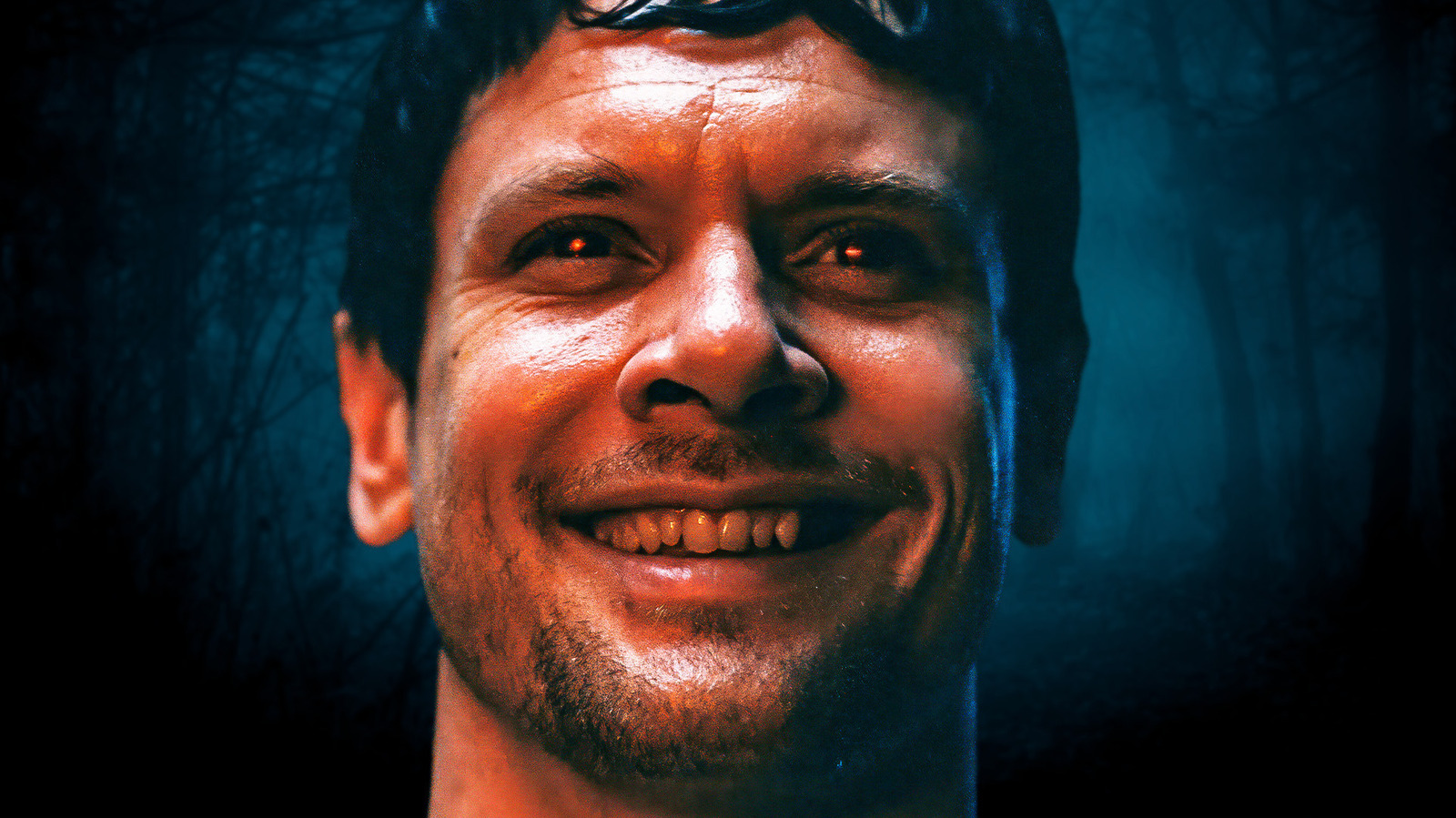
Horror has rarely been short of ideas, but the 2020s have produced an especially varied and ambitious collection of nightmares. In only a few years, filmmakers have revisited familiar monsters, challenged old genre formulas and found new ways to turn ordinary spaces into sources of dread. The decade is still unfolding, yet it has already delivered enough memorable work to make choosing the strongest films a genuine challenge.
The five movies highlighted here represent different sides of modern horror. Some rely on carefully controlled suspense, while others use graphic imagery, dark humor or emotional realism to get under the audience’s skin. What connects them is not a single style of filmmaking. Instead, each one understands that effective horror is about more than surprise. The best scares linger because they expose something uncomfortable about grief, identity, family, violence or the way people treat one another.
The Invisible Man, released in 2020, arrived at a difficult moment for the film industry, but its central idea remains timeless. Leigh Whannell’s film follows Cecilia Kass, a woman who escapes an abusive relationship and begins to suspect that her supposedly dead former partner has found a way to stalk her while remaining unseen. The premise immediately creates a frightening imbalance: Cecilia can feel the threat, but almost nobody else can see it.



That imbalance gives the movie its most disturbing quality. The invisible antagonist is not merely a supernatural figure hiding in the shadows. He becomes a weapon against Cecilia’s credibility. Empty rooms, unexplained movements and objects that seem to shift on their own turn her home and surroundings into hostile territory. The audience is placed beside her, searching the frame for a shape that may not be there, while also understanding why the people around her struggle to believe what she is saying.
The film works because its horror is closely tied to the reality of coercive control. Cecilia is not simply trying to survive a monster; she is trying to rebuild a life after being controlled by someone who knows exactly how to make her appear unreliable. Elisabeth Moss gives the character a tense, physical performance, communicating fear through quick glances, rigid posture and moments of frozen concentration. Even when the film becomes more spectacular, its strongest scenes remain rooted in Cecilia’s desperate need to be believed.
Rather than treating invisibility as a gimmick, The Invisible Man uses it to make an old idea feel painfully relevant. The result is a sleek and accessible horror thriller with a sharp emotional core. Its scares work on two levels: there is the immediate terror of an unseen attacker, and there is the deeper fear of knowing that an abusive person can continue to damage someone’s life even after he appears to be gone.



Two years later, Barbarian showed how much suspense could be created from a single bad decision. The film begins when Tess arrives at a rental house and discovers that another man is already staying there. The situation is uncomfortable enough on its own, but the house contains further secrets, and the story gradually expands beyond the boundaries suggested by its opening.
One of the film’s greatest strengths is its willingness to change direction. It begins like a tense home-invasion story, then introduces new characters, new locations and new forms of danger. That structure allows the audience to settle into one set of expectations before pulling the ground away. The uncertainty is central to the experience. Viewers are never entirely sure whether they should fear the person in front of them, the building around them or the history hidden beneath it.
Director Zach Cregger also understands that horror can contain an uneasy amount of humor. Barbarian allows moments of absurdity to sit beside moments of genuine cruelty, creating a tone that feels unpredictable without becoming careless. The laughter often makes the next shock land harder because it lowers the audience’s defenses. Just as importantly, the film does not treat its central setting as a neutral backdrop. The house becomes a record of exploitation, neglect and the consequences of people who believe they can use others without paying a price.


There is a visceral creature at the heart of Barbarian, but reducing the film to its monster would miss much of its purpose. Its real subject is the long shadow cast by violence. The story asks who is protected, who is dismissed and who gets to leave a dangerous situation while someone else remains trapped inside it. Those questions give the film an emotional afterlife that extends well beyond its most startling reveals.
Talk to Me brought a fresh supernatural hook to the familiar idea of communicating with the dead. In the film, a group of young people discovers that a preserved hand can open a doorway to spirits. The ritual is initially treated as an exciting social experiment, but the participants soon learn that inviting something into the room does not mean they can control what happens next.
The movie understands why the ritual would become popular. It offers a burst of danger, an opportunity to impress friends and a chance to experience something that seems impossible. The rules make the game feel manageable, at least at first. That sense of control is precisely what makes the consequences so effective. Each new attempt pushes the characters further, and their curiosity begins to resemble compulsion.



What separates Talk to Me from a routine possession story is the way it connects supernatural danger to emotional vulnerability. Mia, still grieving the death of her mother, is drawn toward the ritual for reasons that go beyond simple thrill-seeking. The spirits become entangled with guilt, loneliness and the desire to reconnect with someone who is gone. As the boundary between performance and real danger collapses, the characters must confront the cost of treating trauma as entertainment.
The film’s possession sequences are often physically unsettling, but its most painful moments are quieter. Friends make reckless choices, apologize too late and fail to recognize how much damage they are causing one another. The supernatural element gives those mistakes a terrifying form, while the emotional conflicts keep the story grounded. Talk to Me is frightening because it knows that people do not always stop when they should, especially when fear is mixed with grief and peer pressure.
For a different kind of nightmare, few recent films are as audacious as When Evil Lurks. This Argentine horror film follows two brothers who encounter the aftermath of a demonic infestation in a rural community. Their attempts to deal with the threat are complicated by incomplete information, bad decisions and rules that are difficult to understand until it is too late.

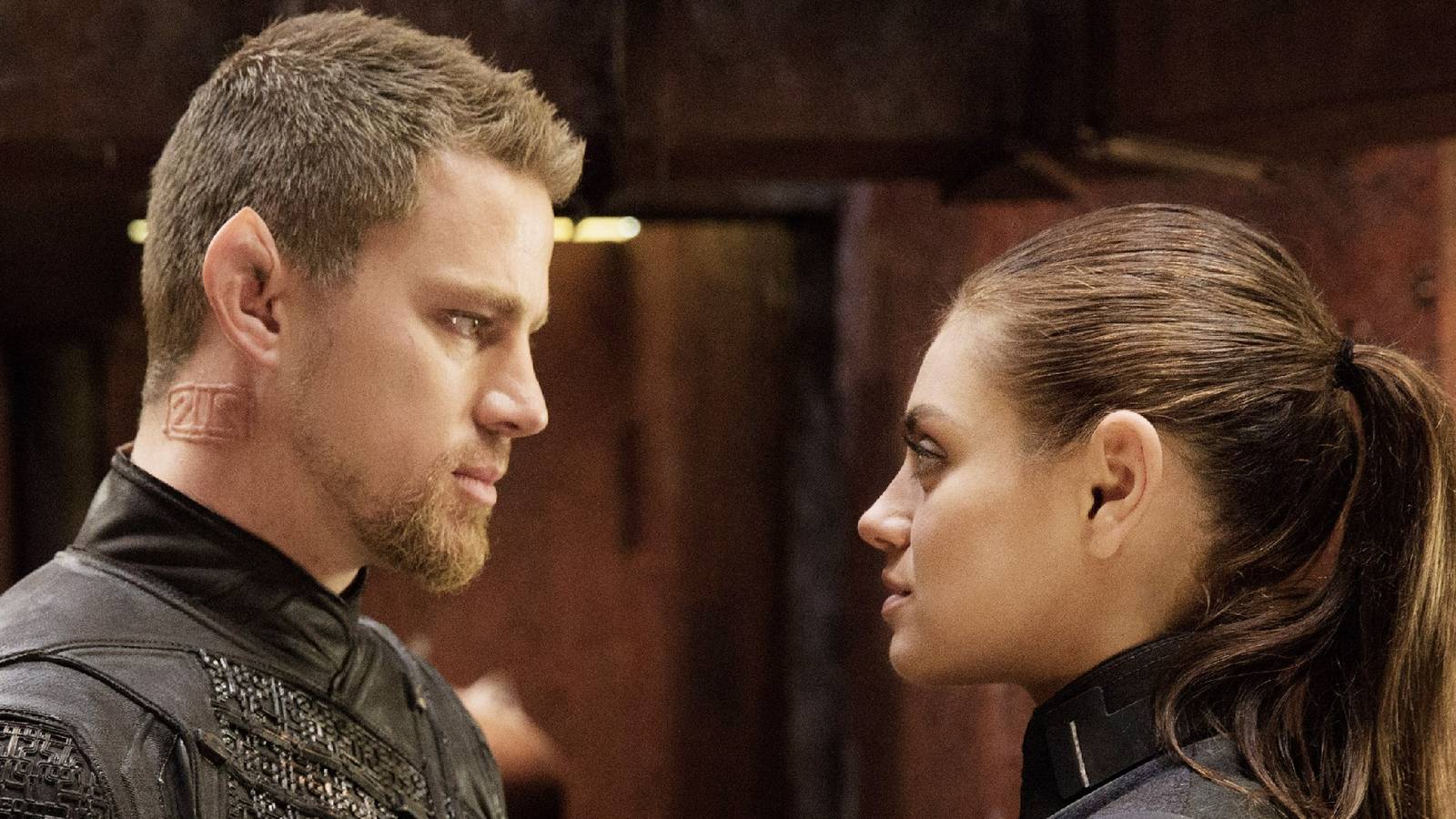

The film’s world feels dangerous because safety is never guaranteed by good intentions. Characters may try to help, but a single careless action can spread the evil instead of containing it. That structure gives the story a grim momentum. There is no comforting sense that the right ritual, the right authority figure or the right moral choice will automatically solve the problem.
Director Demián Rugna fills the movie with stark images and sudden bursts of violence, but the horror is not random. It grows from the social and emotional failures surrounding the demonic presence. People conceal information, underestimate danger and make choices based on panic. The result is a film that feels less like a conventional battle between good and evil than a portrait of a community watching its systems of protection collapse.
When Evil Lurks is also notable for refusing to soften its consequences. The film does not rush to reassure the audience after a shocking event. Instead, it lets the damage remain visible, forcing viewers to sit with the possibility that survival may not bring relief. That uncompromising approach makes it one of the decade’s harshest and most memorable supernatural films.


At the opposite end of the scale is The Substance, a flamboyant body-horror film that turns anxieties about youth, beauty and public attention into a grotesque spectacle. The story centers on Elisabeth Sparkle, a television personality whose career has begun to decline. She is offered a mysterious treatment that promises a younger, more desirable version of herself, but the apparent solution creates a horrifying division between the person she has been and the person she is expected to become.
The movie’s premise is exaggerated, yet its pressure feels recognizable. Elisabeth is surrounded by messages insisting that her value depends on how she looks and how long she can remain marketable. The treatment appears to offer freedom, but it is built on a cruel set of demands. The more she tries to satisfy them, the more completely her life becomes governed by an image.
Director Coralie Fargeat presents that conflict through bold color, aggressive sound design and deliberately excessive physical effects. The body is not treated as a quiet symbol; it becomes a battleground. Flesh stretches, splits and transforms as the characters pursue an impossible standard. The graphic imagery is outrageous, but it is also purposeful. The film makes the audience feel how destructive it is to regard a human body as a product that must constantly be improved.

Demi Moore’s performance gives the spectacle its emotional center. Elisabeth is vain, frightened, ambitious and deeply lonely, sometimes all at once. Her choices can be frustrating, but they never feel detached from the world that shaped them. The Substance works as a vicious satire, a science-fiction horror story and a tragedy about self-rejection. Its excess is the point: the culture it attacks is already so extreme that only an equally extreme nightmare can expose its ugliness.
These five films demonstrate why the horror of the 2020s has felt so lively. The decade’s strongest entries are not content to repeat the same formula with a new monster. They use horror to examine intimate fears that audiences recognize from everyday life: the terror of not being believed, the danger hidden behind a locked door, the temptation to turn pain into a game, the collapse of social order and the pressure to remain desirable at any cost.
They also show how flexible the genre remains. The Invisible Man is a tense modern thriller, Barbarian is a shape-shifting house nightmare, Talk to Me is a supernatural coming-of-age story, When Evil Lurks is an uncompromising demonic vision and The Substance is a spectacular piece of body horror. None of them needs to resemble the others to succeed.


The decade is not finished, which means any list of its best horror movies remains provisional. More films will arrive, new filmmakers will challenge familiar assumptions and some future release may eventually displace one of these selections. For now, however, these movies capture the creative confidence of contemporary horror. They prove that the most effective scares are not always hiding in the dark. Sometimes they are waiting inside a relationship, a social ritual, a public image or the desperate wish to become someone else.