One of Cinema’s Earliest Serial Killer Movies Is Now Streaming for Free
Fritz Lang’s landmark 1931 thriller M, starring Peter Lorre, is available to watch free on a new streaming platform, giving modern audiences a chance to revisit one of cinema’s foundational crime films.
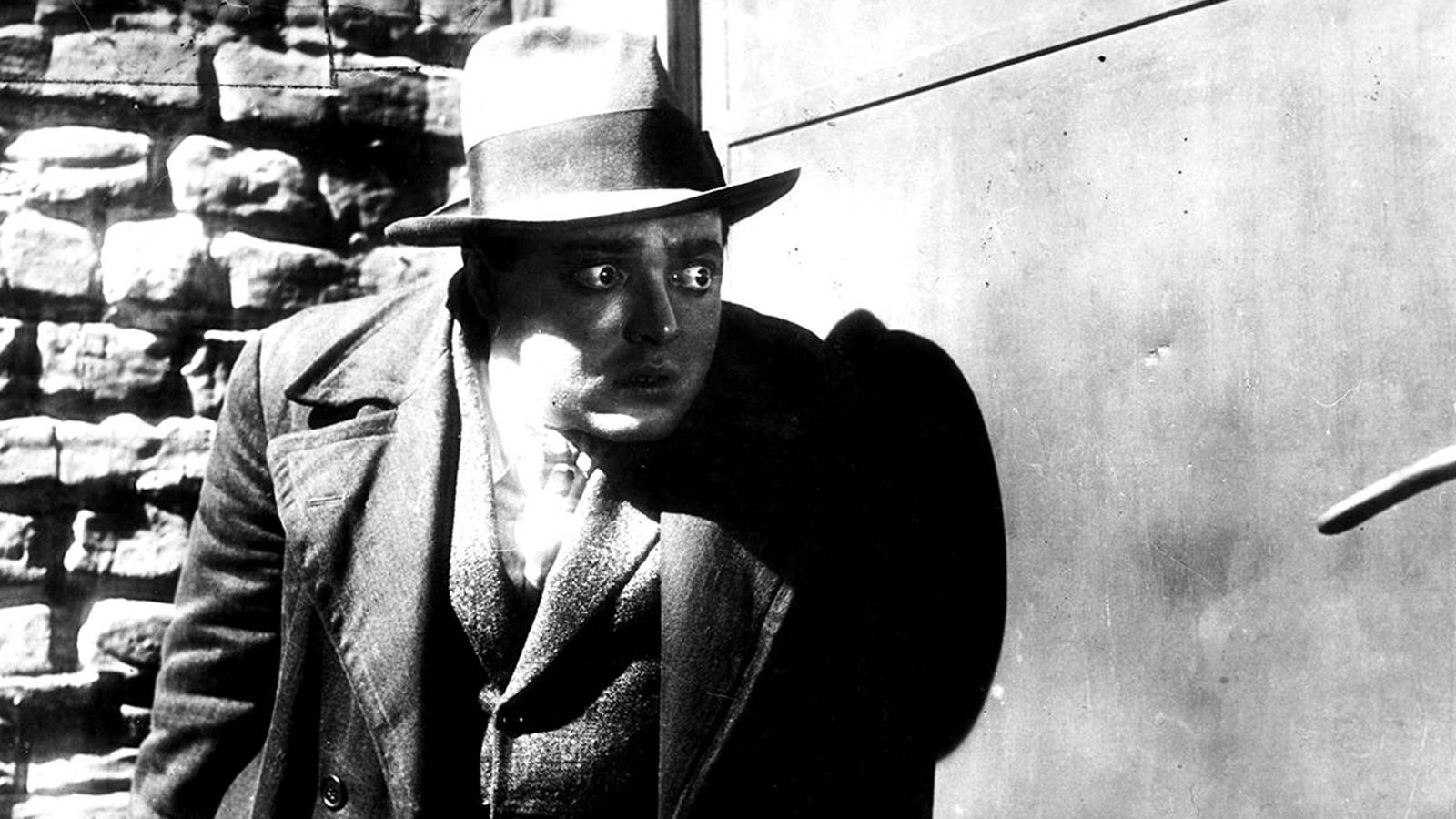
Long before serial-killer stories became a familiar part of movie theaters, television, and streaming services, Fritz Lang’s M established many of the ideas that would shape the genre. The 95-year-old classic is now streaming for free on a new platform, giving audiences an opportunity to experience one of the earliest and most influential films built around a serial murderer.
The film’s availability is especially notable because M is not simply an old crime movie being rediscovered. It is a work that helped define the visual language and dramatic structure later associated with serial-killer cinema. Its central threat, its investigation, and its portrait of a city gripped by fear all feel familiar today largely because so many later films borrowed from the blueprint Lang created.
Viewers can find M through JustWatch TV, where the movie is being offered free to stream. As with any free online catalog, availability can change, so audiences interested in seeing the film should check the platform’s current listing before settling in. For anyone curious about the roots of modern crime thrillers, however, the film is an unusually important discovery.
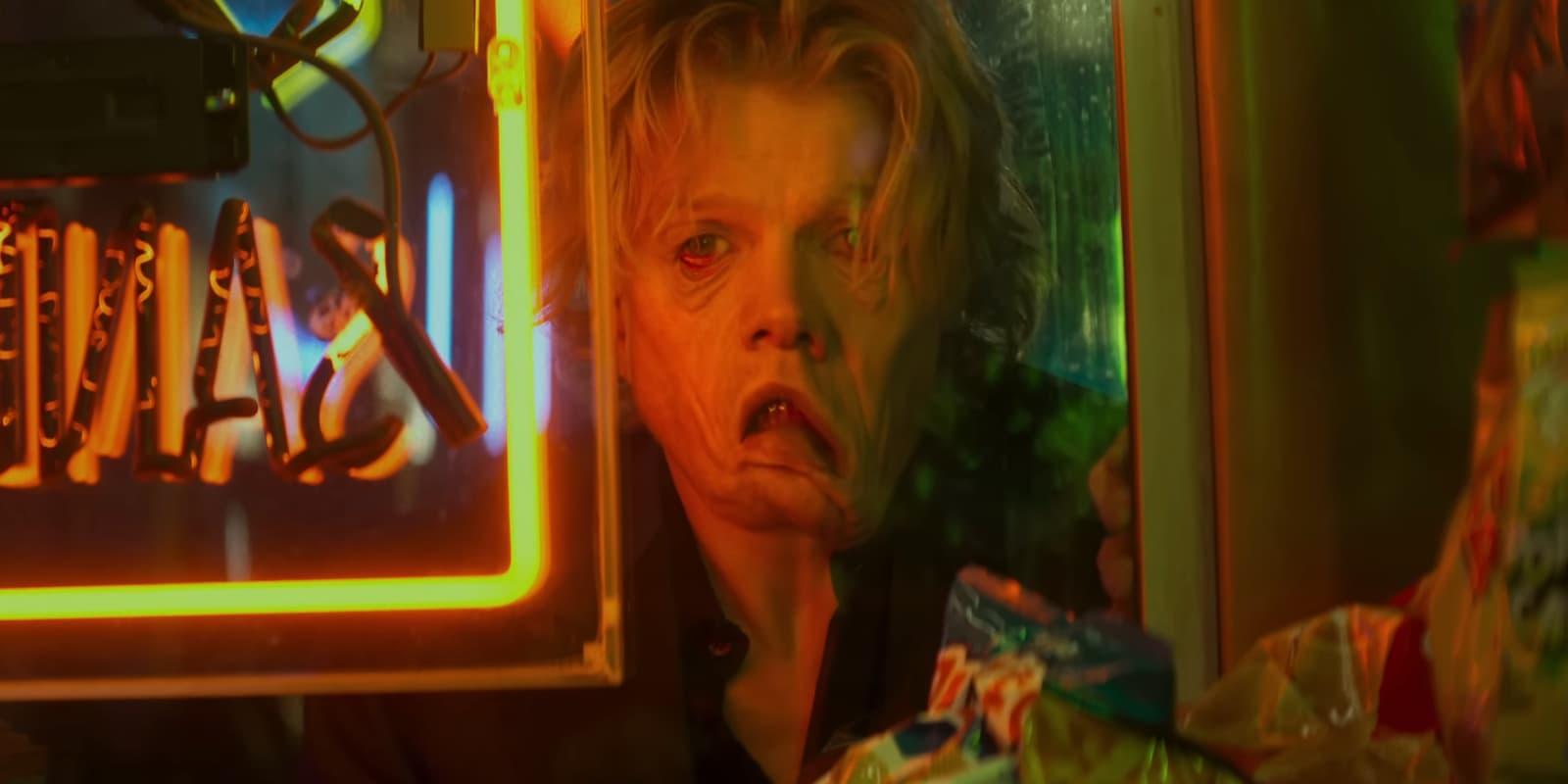


Released in 1931, M arrived at a turning point in film history. Sound cinema was still relatively new, and filmmakers were experimenting with ways to use dialogue, music, silence, and off-screen noise as dramatic tools. Lang understood that sound could do more than allow characters to speak. It could create anticipation, suggest danger, and make an unseen presence feel as threatening as anything shown directly on screen.
That approach is central to the film’s power. Instead of presenting violence as a series of sensational set pieces, M builds anxiety through suggestion. The danger hangs over the city even when the killer is not visible. Ordinary locations take on a sinister quality, and small details become charged with meaning. A sound, a pause, or a character’s reaction can carry the tension of an entire scene.
The story follows a city struggling to respond to a series of child murders. The crimes create public panic, and the pressure to find the person responsible grows increasingly intense. Police investigations disrupt daily life while criminals in the city’s underworld begin to feel the consequences of the crackdown. The search therefore develops on two fronts, with law enforcement and criminal figures pursuing the same elusive suspect for different reasons.



This setup gives the film a broader scope than a conventional manhunt. The murderer is dangerous, but the social reaction to the crimes is just as important. Fear changes the behavior of ordinary people. Suspicion spreads through the community. Institutions attempt to restore order, while those living outside the law discover that the investigation threatens their own activities.
The result is a film about collective anxiety as much as individual evil. Lang presents a city whose routines have been damaged by terror. Parents are frightened, strangers are viewed with suspicion, and the public’s desire for safety begins to collide with the need for evidence. Those tensions remain recognizable nearly a century later, which helps explain why the film continues to feel relevant despite its age.
Peter Lorre gives the film its unforgettable center. His performance as the troubled killer is not based on the polished confidence often associated with later screen villains. Instead, Lorre brings an unsettling mixture of vulnerability, nervous energy, and desperation to the role. He does not make the character easy to understand or excuse, but he makes him impossible to dismiss.



Lorre’s presence also demonstrates how much a performance can communicate without relying on extended explanation. His face, movements, and sudden changes in mood reveal a character who seems trapped by his own impulses. The performance is disturbing partly because it avoids reducing the killer to a theatrical monster. He remains frightening, but he is also presented as a damaged human being, a contradiction that makes the film’s final movement particularly uncomfortable.
That complexity has influenced the way later crime movies portray murderers. Many modern thrillers focus on the psychology of the offender, asking viewers to confront the gap between an ordinary public appearance and hidden brutality. M was working with that tension decades before it became a familiar feature of the genre. It recognizes that a terrifying criminal does not need to look extraordinary at every moment.
Lang’s direction is equally important. The film’s suspense does not depend solely on the question of who committed the crimes. The audience is also made to feel the consequences of the investigation as it moves through the city. Crowds, streets, interiors, and public spaces become part of the drama. The camera observes a society trying to identify a threat that may be close at hand, while the editing connects separate actions into a growing sense of pressure.


One of the movie’s most lasting achievements is its ability to make the audience think about the act of watching. People observe one another, search for clues, and interpret gestures. The film repeatedly places characters in situations where seeing is not the same as understanding. A person may be watched without being properly known, while the real danger can remain hidden behind an apparently ordinary encounter.
That idea has become a major part of crime and serial-killer storytelling. Investigators study behavior, communities exchange theories, and viewers are encouraged to examine every detail. Yet M is more skeptical than many later mysteries about the reliability of those judgments. Fear can sharpen attention, but it can also produce accusations, hysteria, and cruel assumptions.
The movie’s treatment of justice is another reason it remains significant. The police are not shown as the only force capable of responding to the crisis. As the investigation continues, the criminal underworld becomes increasingly involved. This unusual development creates an uneasy question: what happens when people who operate outside the law decide to impose their own form of justice?


Rather than offering a simple answer, the film creates moral discomfort. The audience may understand why different groups want the killer caught, but understanding a motive does not automatically make the resulting actions just. Law, punishment, public anger, and personal responsibility overlap in ways that make the conclusion difficult to treat as a conventional triumph.
That moral ambiguity separates M from many straightforward police procedurals. The film is interested in solving the crime, but it is equally interested in the institutions and emotions surrounding the search. It asks whether a frightened society can preserve fairness when confronted with an act that feels impossible to comprehend.
The film is also a landmark because of the way it uses sound. Its audio design helps create a world in which the killer’s presence can be felt before he is fully seen. Repeated sounds and moments of silence become narrative signals. Instead of treating sound as a background addition, Lang uses it as a structural part of the suspense.


For contemporary viewers accustomed to elaborate soundtracks and highly engineered effects, the technique may appear restrained. That restraint is part of its effectiveness. The film does not constantly tell the audience how to feel. It allows silence to linger and lets a small auditory detail become disturbing through repetition. The tension grows from expectation, not from volume alone.
The film’s age may initially seem like a barrier, particularly for audiences who primarily watch modern thrillers. Its pace is more deliberate, its visual style belongs to an earlier era, and its dramatic conventions are different from those of current streaming productions. Yet the central anxiety is immediate. A community fears an unknown killer, investigators pursue incomplete information, and ordinary people struggle to decide whom they can trust.
That combination of historical distance and emotional familiarity makes the movie a rewarding watch. Audiences can see the origins of techniques that later became common while also encountering a film that still has its own personality. M does not feel like a rough draft of a modern serial-killer movie. It feels like a fully realized work whose influence can be traced across decades of cinema.
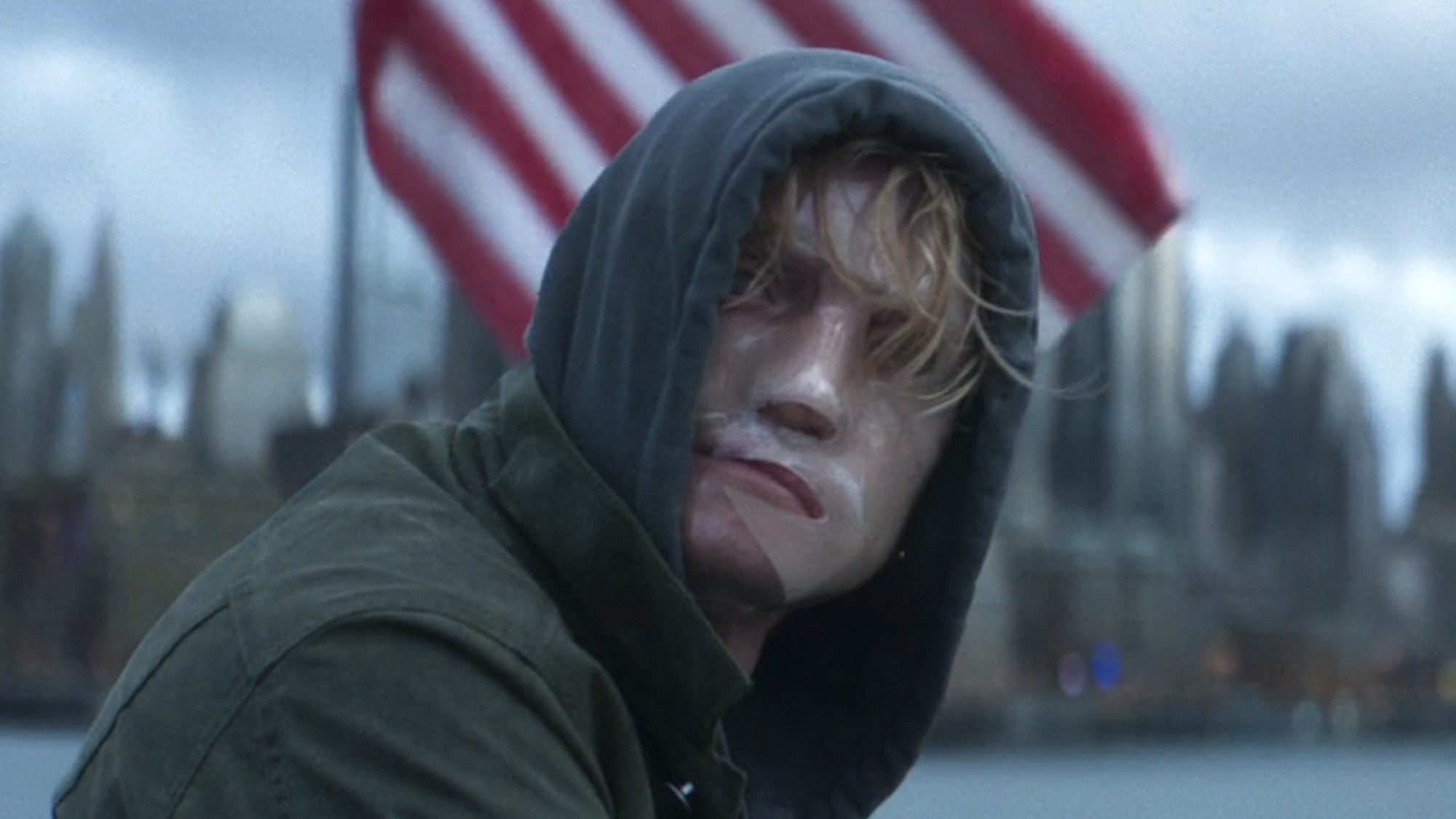

Its reputation has also grown because later filmmakers repeatedly returned to similar themes. The hidden criminal, the frightened city, the obsessive investigation, and the uneasy boundary between justice and vengeance all became recurring elements in crime cinema. While no single film can be credited with creating an entire genre, M is one of the clearest early examples of the form taking shape.
The free streaming release makes that history more accessible than it has been for many casual viewers. Classic films can sometimes seem difficult to approach because they are associated with specialized collections, restorations, or academic discussions. Finding M on a free platform removes some of that distance. Viewers do not need to treat it as an assignment or a museum piece; they can approach it as a tense, influential thriller.
It is worth watching with an awareness of its subject matter. The story involves the murder of children and the fear created by those crimes, so the material is severe even when the film avoids the graphic presentation common in much later cinema. Its impact comes from implication, atmosphere, and the reactions of the people around the investigation rather than from explicit imagery.


That distinction is important when considering the movie’s place in film history. M helped establish that suspense does not require constant depiction of violence. A film can create dread by focusing on absence, uncertainty, and the emotional damage left behind. In some ways, that approach can be more unsettling than graphic detail because it gives the audience space to imagine what has happened.
Nearly a century after its release, M remains a compelling example of how a crime story can become a portrait of an entire society. It is a murder mystery, a study of fear, a showcase for Peter Lorre, and a demonstration of Fritz Lang’s command of image and sound. Its influence is easy to recognize, but its own atmosphere remains distinctive.
Now that the film is streaming free on JustWatch TV, it offers a timely chance to look beyond the familiar modern versions of the serial-killer story. Viewers may come for the historical importance, but they are likely to stay for the suspense, the uneasy moral questions, and the performance at the center of it all. For anyone interested in where crime cinema began to take its modern shape, this classic remains essential viewing.

