Zack Snyder believes audiences may be ready for a bold adaptation of The Dark Knight Returns
The filmmaker says superhero cinema has reached a turning point, arguing that Frank Miller’s influential Batman story could arrive at exactly the right moment.
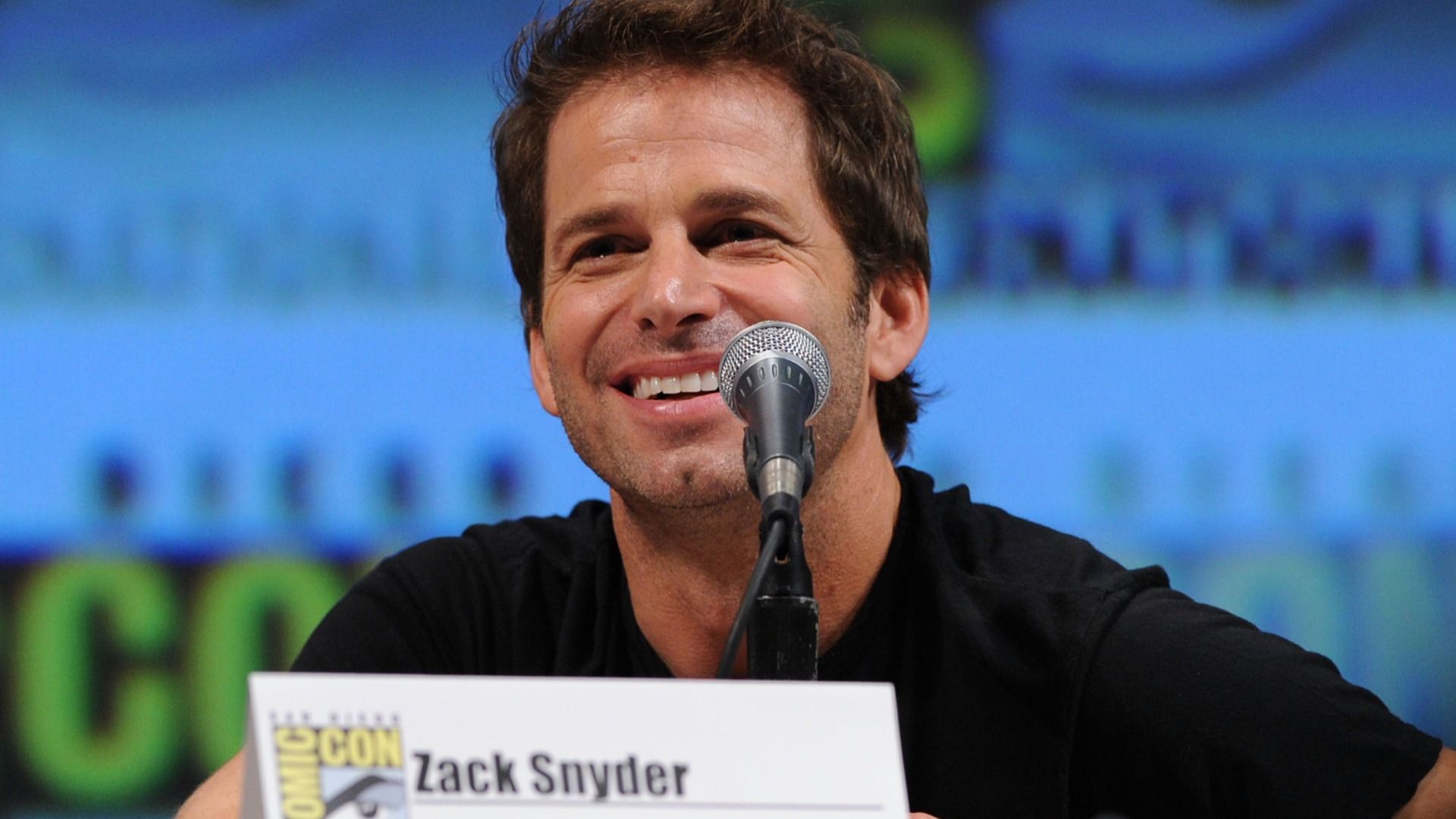
Zack Snyder believes the current state of superhero cinema could create an ideal opportunity for a new adaptation of The Dark Knight Returns. The filmmaker’s comments arrive as the comic book movie genre appears to be entering a period of uncertainty, with audiences showing signs of fatigue after years of increasingly frequent superhero releases.
Snyder did not describe the genre as definitively finished. Instead, he suggested that the industry has traveled a considerable distance along its current path and may now be approaching a significant transition. “I don’t want to call it the twilight, but we’re down the road of the superhero movie genre,” he said, framing the moment as a possible turning point rather than a final conclusion.
That distinction is important. Superhero films remain a major part of mainstream entertainment, but the response to them is no longer as predictable as it once was. Audiences that previously treated each new comic book release as an essential event have become more selective. In Snyder’s view, that changing relationship with the genre could make a darker, more self-contained Batman story especially timely.
Advertisement


The Dark Knight Returns is widely associated with a future version of Bruce Wayne who has stepped away from crime-fighting and later chooses to return to Gotham City. Its central idea is not simply that Batman grows older, but that his identity, methods and place in society change as he ages. The story examines what happens when a familiar hero is brought into a harsher and more skeptical world.
That premise offers a sharp contrast with the conventional structure of many superhero movies. Rather than introducing a hero at the beginning of a career, a version of The Dark Knight Returns would begin with history already behind its protagonist. The audience would be asked to consider the cost of a life spent as Batman and the reasons someone who had retired might decide to put on the cape and cowl again.
Snyder’s interest in the material is not surprising. His work in the DC universe has often been shaped by dramatic visual compositions, mythic storytelling and an interest in superheroes as larger-than-life figures confronted by complicated moral choices. An adaptation of The Dark Knight Returns would give him an opportunity to explore those concerns through an older Batman whose legend is both powerful and burdensome.
Advertisement


However, Snyder’s remarks do not amount to confirmation that such a film is currently in production. The comments present the story as a particularly appropriate project for the present moment, not as an announcement of a completed deal, a release plan or an active studio development. Any future adaptation would still require decisions about rights, creative direction, casting and how the material would fit into DC’s broader plans.
The timing argument behind Snyder’s comments rests on the idea that a genre can benefit from examining its own exhaustion. When audiences become familiar with a formula, simply repeating that formula can make new projects feel less distinctive. A film centered on an aging Batman, a retired hero and a society uncertain about the value of masked vigilantes could address that fatigue directly rather than ignoring it.
In that sense, The Dark Knight Returns could function as more than another Batman story. It could be a reflection on the long history of superhero entertainment and on the expectations built around characters who have appeared in comics, television and film for decades. The question would not only be whether Batman can defeat another opponent, but whether a hero from an earlier era still has a meaningful role in a changing world.
Advertisement

The concept also creates room for a different kind of tension. A younger Batman story can focus on discovery, training and the establishment of a public identity. A story about an older Batman naturally raises questions about physical limits, personal regret and the consequences of returning to a dangerous life. Those themes could offer a film a more reflective tone while preserving the action and spectacle audiences expect from the character.
That balance would be central to any adaptation. The material would need to feel substantial enough to justify its darker premise while remaining accessible to viewers who may not know the original story. A film could not rely only on references to Batman’s history. It would need to establish why this particular version of Bruce Wayne matters and why his return has consequences beyond his own private decision.
Snyder’s comments also point to the difference between superhero popularity and superhero novelty. Comic book characters remain recognizable and commercially valuable, but recognition alone may no longer guarantee enthusiasm. As more films draw from related visual language and storytelling conventions, filmmakers face greater pressure to offer a clear reason for audiences to return to a familiar world.
Advertisement


An adaptation of The Dark Knight Returns would come with an immediate identity. Its premise signals a departure from a standard origin story or a conventional continuation. It would be about legacy, age and the possibility that an old symbol might still have power. Those ideas could help distinguish the project in a crowded marketplace, particularly if the film treated its superhero setting as a dramatic world rather than merely a backdrop for action.
At the same time, the story’s reputation would create its own challenges. The source material is regarded as an influential Batman work, meaning any screen version would be compared with the existing comic and with earlier interpretations of the character. A filmmaker would have to decide how closely to follow the original structure, visual identity and tone while still creating a movie that stands on its own.
Snyder has previously been associated with comic book adaptations that place emphasis on scale, atmosphere and visual design. Those qualities could align naturally with the severe and heightened world suggested by The Dark Knight Returns. Yet the story’s impact would depend on more than appearance. Its appeal comes from the conflict between Batman’s enduring myth and the reality of a man who has carried that identity for too long.
Advertisement

The question of casting would also be unusually important. An older Batman requires an actor capable of presenting physical authority alongside vulnerability. The character would need to appear convincing as a legendary crime fighter while also communicating the toll of years spent living under a secret identity. The right performance would have to make the return feel emotionally necessary, not simply a decision made to restart a familiar franchise.
A successful version could also speak to the broader issue of how superhero stories handle time. Many long-running franchises preserve their heroes at roughly the same stage of life, allowing them to continue indefinitely without confronting ordinary aging. The Dark Knight Returns rejects that approach. Its premise is built around the idea that time passes and that even a figure as powerful as Batman cannot remain unchanged.
That focus could make the project relevant to viewers who are tired of stories that treat continuity as an endless chain of expansion. Instead of introducing another branch of a shared universe, the film could concentrate on one character and one defining question: what does it mean for Batman to return when he is no longer the man he once was?
Advertisement


It could also provide a more contained entry point for audiences who feel overwhelmed by interconnected comic book narratives. The superhero genre has increasingly encouraged viewers to follow multiple characters, timelines and franchises. A standalone story with a clearly defined premise would not eliminate the need for world-building, but it could make the viewing experience more direct and focused.
Still, the darker tone associated with The Dark Knight Returns would not automatically make it a solution to superhero fatigue. A grim atmosphere by itself is not enough to make a comic book film feel fresh. The adaptation would need a strong dramatic purpose, carefully developed characters and a story that uses its mature premise to explore something meaningful about heroism and society.
Snyder’s observation therefore appears to be less a claim that audiences have rejected superheroes permanently and more an argument that the genre needs to respond to changing expectations. If viewers are exhausted by repetition, a project that acknowledges the age of the superhero tradition could offer a more thoughtful way forward. The appeal would come from confronting the genre’s accumulated history rather than pretending every release exists in isolation.
Advertisement


For DC, such a film would also raise questions about how different interpretations of Batman can coexist. The character has enough cultural weight to support stories set at various points in his life, but every new version must establish its own purpose. A Dark Knight Returns adaptation would need to be presented as a deliberate exploration of an older Batman, not simply another variation on the familiar origin-and-villain formula.
The project’s potential would ultimately depend on execution. The premise provides a strong foundation, but the filmmakers would have to decide how much emphasis to place on action, political tension, personal drama and the mythology surrounding Batman. The most effective approach would likely be one that treats the story as a character study with the scale of a superhero film, rather than as a conventional blockbuster with an aging hero added to the formula.
For now, Snyder’s comments remain an expression of creative interest and a reading of the current moment in popular cinema. There is no confirmed production attached to his remarks in the supplied report. Even so, the idea has an obvious resonance: after years of stories about heroes beginning their journeys, audiences may be ready to see what happens when one of the most enduring heroes confronts the end of his.
Advertisement

Whether Snyder or another filmmaker eventually brings The Dark Knight Returns to the screen, the discussion reflects a broader challenge facing DC and the superhero industry. Familiar characters still have enormous potential, but they may need to be approached with greater specificity and purpose. A story about Batman returning after years away could be compelling not because it promises more of the same, but because it asks whether the old symbols of the genre can still find meaning in a changed world.