The 6 Most Fun Movies Released Since 1990, Ranked
From reality-bending science fiction to high-speed desert spectacle, these six films demonstrate how inventive characters, energetic storytelling and unforgettable set pieces can turn a movie into pure entertainment.
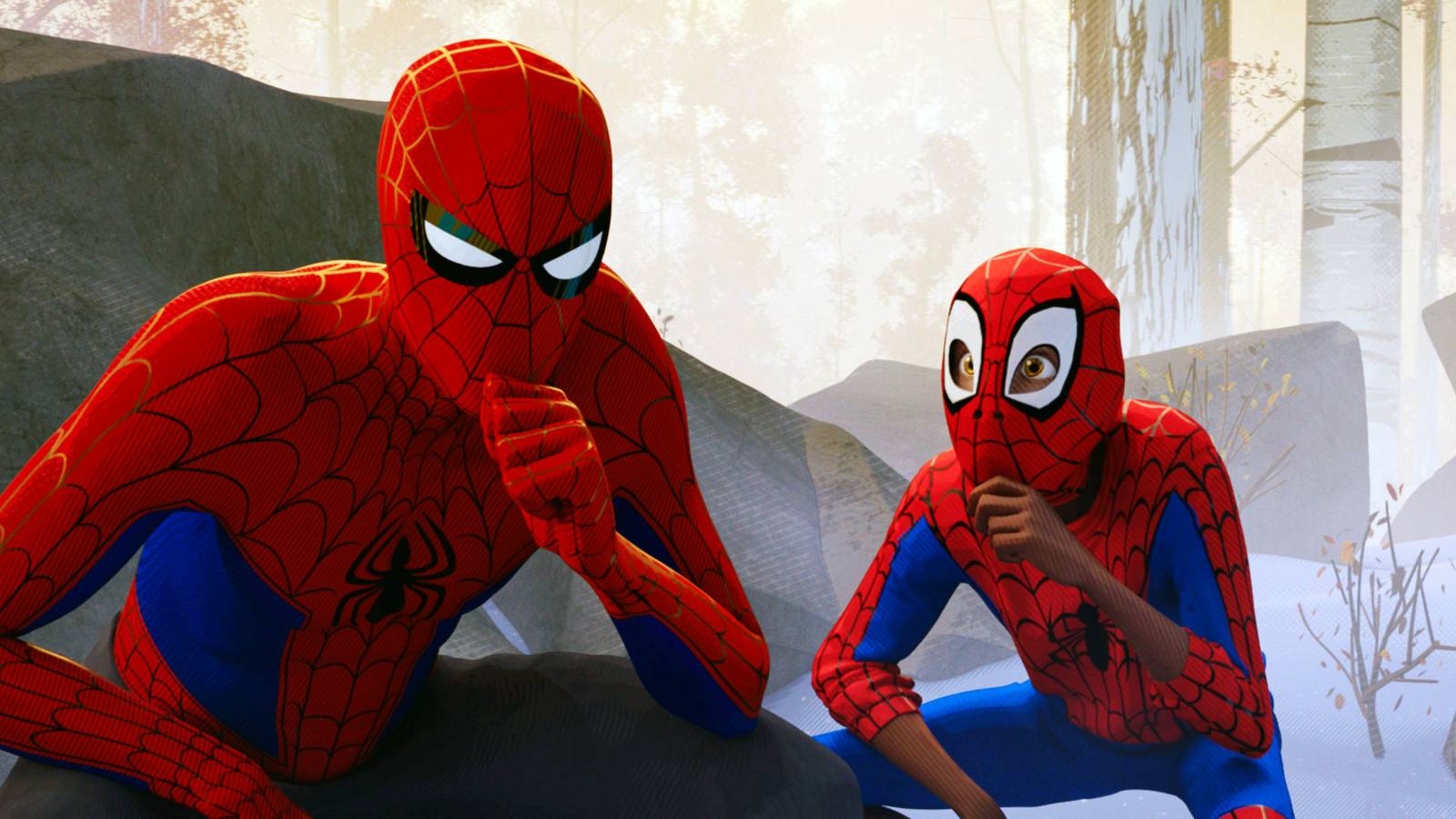
Some movies are admired for their performances, others for their themes, technical achievements or awards-season prestige. Then there are the movies people put on because they want to have a great time. They move quickly, introduce worlds that are easy to enter, surround their heroes with memorable personalities and deliver set pieces that remain exciting long after the credits roll. Their appeal is not limited to a single genre. A science-fiction thriller, a supernatural adventure, a comic-book animation and an action epic can all create the same feeling: the uncomplicated pleasure of watching a movie that understands how to entertain.
The six films ranked here represent that kind of cinematic enjoyment. Each has its own style, but all combine strong concepts with confident execution. Some are funny, some are spectacular and some are relentlessly inventive. What connects them is their ability to make familiar pleasures feel fresh. They are films that can reward close attention, yet never make viewers work too hard to enjoy them.
6. The Matrix


Released in 1999, The Matrix turns a familiar science-fiction idea into a sleek, stylish adventure. Its premise is immediately compelling: an ordinary man discovers that the world he knows is an elaborate illusion and that humanity is trapped inside a system controlled by machines. That setup gives the film an enormous amount of room to play. It can move from mystery to philosophy, from cyberpunk atmosphere to martial-arts spectacle, without losing its sense of momentum.
The film remains especially entertaining because its exposition is tied to discovery. Viewers learn about the Matrix at the same time as Neo, a computer programmer whose life changes after he encounters Morpheus and Trinity. The story does not simply explain its world; it repeatedly reveals new possibilities within it. Training programs, simulated environments and impossible physical feats all become natural extensions of the premise.
Its action scenes also give The Matrix a distinctive identity. The film blends gunplay, wire work, martial arts and visual effects into a style that feels both precise and exuberant. The famous lobby sequence and rooftop confrontations are thrilling because they are built around clear movement and escalating danger, not confusion. Even the film’s more serious ideas are presented through images and experiences that are immediately exciting. The result is a blockbuster with intellectual ambitions that never forgets the pleasure of a perfectly staged action scene.


5. The Mummy
Stephen Sommers’ The Mummy, released in 1999, is a throwback adventure that succeeds by embracing nearly every classic ingredient at once. It has an ancient curse, buried treasure, sweeping desert locations, supernatural danger and a hero who seems more comfortable improvising than following a plan. Rather than treating its mythology with solemnity, the film gives its grandest moments a playful energy.
Brendan Fraser’s Rick O’Connell is central to that appeal. He is capable enough to survive danger but relaxed enough to make mistakes, which makes him more entertaining than an invincible action figure. Opposite him, Evelyn Carnahan brings curiosity and determination to the expedition, while Jonathan adds comic panic and opportunism. Their contrasting personalities create a lively group dynamic that keeps the story moving even when the supernatural threat is temporarily offscreen.


The film’s villain, Imhotep, provides genuine menace, but The Mummy never becomes so grim that it loses its sense of fun. Ancient legends are presented as sources of both wonder and danger, while the characters respond to increasingly impossible situations with fear, sarcasm and hurried improvisation. That balance is difficult to achieve. The movie wants audiences to care about its mythology, but it also wants them to enjoy the ride.
Its effects and action sequences contribute to the same atmosphere. Chases through crowded streets, battles against animated corpses and the gradual return of an ancient evil give the movie a broad, almost storybook scale. The Mummy feels designed for repeat viewing because there is always another colorful detail, comic reaction or piece of adventure spectacle waiting around the corner.
4. Pirates of the Caribbean: The Curse of the Black Pearl



Before it became a large franchise, Pirates of the Caribbean: The Curse of the Black Pearl was a remarkably confident piece of blockbuster entertainment. Released in 2003, it took inspiration from a theme-park attraction and transformed that simple foundation into a swashbuckling story involving cursed pirates, stolen treasure and a desperate rescue mission.
The movie’s greatest advantage is its central trio. Elizabeth Swann is more resourceful than the conventions of her sheltered upbringing initially suggest. Will Turner is brave, skilled and emotionally invested in the crisis. Jack Sparrow, meanwhile, is an unpredictable force whose apparent cowardice often conceals a carefully considered plan. Their goals overlap, but their personalities rarely do, creating constant friction and comic surprise.
Johnny Depp’s performance as Jack is an important part of the film’s appeal, but the character works because the surrounding adventure is so strong. Jack is not merely delivering eccentric lines; he is navigating a story filled with physical danger, shifting loyalties and supernatural rules. The film gives him room to be funny without allowing his performance to overwhelm every other character.


The Curse of the Black Pearl also understands the rhythm of a great adventure. It moves between sword fights, escapes, betrayals and moments of supernatural revelation while giving the audience enough time to understand the stakes. The cursed pirates are visually striking, especially when moonlight reveals their true nature, and the story’s mixture of horror, comedy and romance feels unusually balanced. It is a film that treats spectacle as an invitation to play.
3. Guardians of the Galaxy
Guardians of the Galaxy arrived in 2014 with an unusual challenge. Its heroes were not as familiar to the general audience as many other comic-book characters, and its story involved a talking tree, a wisecracking raccoon, an outlaw with a complicated past and a group of criminals who gradually become a team. The film turned that unfamiliarity into part of its charm.



Peter Quill, introduced as a self-styled space adventurer, gives the movie an emotional connection to Earth through his attachment to music and memory. The soundtrack is not simply background decoration. Familiar songs help define Quill’s personality, create comic contrasts and connect the film’s enormous cosmic setting to feelings that are immediately recognizable. A dramatic moment can become playful, while an apparently silly scene can acquire unexpected emotional weight.
The group’s chemistry is the real engine of the film. Rocket is defensive and volatile, Drax is direct to the point of absurdity, Gamora is disciplined and guarded, and Groot communicates through a limited but expressive vocabulary. Their disagreements generate much of the comedy, but the movie gradually makes their emotional wounds matter. The team becomes entertaining not because it is perfectly coordinated, but because its members are forced to discover that they need one another.
Guardians of the Galaxy also delivers the large-scale pleasures expected from a space adventure. Alien cities, prison escapes, spacecraft battles and a climactic attempt to save an entire population give the film a sense of scale. Yet its most memorable moments often come from character behavior: an argument over music, an ill-timed joke or a plan that is far less organized than the heroes would like to admit. That combination of spectacle and personality makes the film unusually inviting.

2. Spider-Man: Into the Spider-Verse
Spider-Man: Into the Spider-Verse, released in 2018, reimagines the superhero movie through a visual style that feels as inventive as its story. It follows Miles Morales as he adjusts to extraordinary abilities and discovers that the role of Spider-Man can belong to more than one person. The movie uses its multiverse premise to bring together several versions of the character, but its emotional center remains Miles’ journey toward confidence.
The animation is a major source of the film’s energy. Comic-book panels, printed textures, expressive movement and shifting visual techniques make the screen feel like a page that has come alive. The style is not decorative. It reflects the way the characters think, the worlds they inhabit and the feeling of learning how to control unfamiliar powers. The film’s visual language continually changes without becoming difficult to follow.

Its humor is equally important. Each Spider-person arrives with a distinct personality, history and design, allowing the movie to create comedy through contrast. A weary veteran, a dramatic alternate-world hero, a cartoon animal and other unexpected variations can share a scene without making Miles’ story feel secondary. The jokes keep the pace lively, while the emotional scenes give the spectacle meaning.
What makes Into the Spider-Verse so satisfying is its understanding of the idea that anyone can rise to the occasion. Miles does not become heroic because he suddenly stops being afraid. He becomes heroic while fear, doubt and uncertainty are still present. The movie turns that idea into kinetic action, inventive animation and a coming-of-age story that feels both personal and enormous.
1. Mad Max: Fury Road


Mad Max: Fury Road takes the top position because it reduces the action movie to a brilliantly clear mission and then executes that mission with extraordinary intensity. Released in 2015, the film follows a group attempting to escape across a hostile wasteland while a powerful tyrant pursues them. Its story is straightforward, but its world is dense with visual detail, strange customs and instantly recognizable characters.
The film’s momentum comes from its physical design. Vehicles are not simply transportation; they are extensions of the characters, their status and their survival strategies. The convoy, the pursuing war parties and the unforgiving landscape create a constantly changing battlefield. Every turn in the road can introduce a new threat, and every apparent victory can be undermined by the environment or by the enemy’s persistence.
Furiosa gives the film a determined emotional center. She is not merely trying to survive the wasteland; she is attempting to take control of her own future and protect people who have been denied freedom. Max is more isolated and reluctant, but his practical skills make him an essential ally. Their relationship avoids unnecessary sentimentality. Trust is built through action, and cooperation becomes more important than either character’s desire to remain independent.

Fury Road is also a model of visual storytelling. The film can communicate geography, character motivation and danger through movement, color and composition before anyone explains what is happening. Its stunts feel immediate, while its editing gives the action a strong sense of direction. Even at its loudest, the movie is remarkably easy to understand.
Most importantly, Mad Max: Fury Road combines spectacle with purpose. Its explosions and chases are exciting on their own, but they are connected to questions of freedom, power and survival. The movie is fun because it is fast, bold and imaginative, yet it remains memorable because every piece of spectacle serves the characters and the world. That is the quality shared by all six films: they offer pure entertainment without treating entertainment as something disposable.
These movies demonstrate that fun is not a narrow category. It can come from a clever premise, a charismatic cast, a perfectly timed joke, a moving character arc or an action sequence that seems impossible to improve. The Matrix makes ideas feel explosive, The Mummy turns old-fashioned adventure into a celebration, and Pirates of the Caribbean finds comedy in the chaos of a supernatural treasure hunt. Guardians of the Galaxy builds warmth out of unlikely friendships, Into the Spider-Verse transforms animation into a superhero language of its own, and Fury Road turns movement itself into cinema.


That is why their appeal continues across different audiences and different eras. Each film knows what kind of experience it wants to provide, then commits fully to that experience. They invite viewers to be surprised, laugh at the right moments, care about the characters and enjoy the scale of the world on screen. Great fun does not age when it is supported by imagination, craft and a genuine understanding of what makes movies exciting.