These 8 Movies Aren’t Historically Accurate, but They Are Great
Historical films often bend, compress, or reinvent the past.
Historical movies are often judged by two standards at once. Audiences want a compelling story, memorable characters, and confident filmmaking, but they also expect a movie based on real events to respect the record. Those goals do not always align. Real history is frequently complicated, slow-moving, and full of unresolved questions, while a two-hour film usually needs a clear protagonist, a strong antagonist, and a dramatic ending.
That tension explains why some of the most entertaining films inspired by history are also among the least dependable as history lessons. They may combine people who never met, move events into a different period, simplify political circumstances, or transform a flawed individual into a larger-than-life hero. None of that automatically makes the movie worthless. In many cases, the inaccuracies are part of a deliberate effort to create a particular mood, genre, or emotional experience.
The following films illustrate that distinction. They should not be treated as documentaries, but their departures from the truth do not erase their strengths as works of cinema.
Advertisement



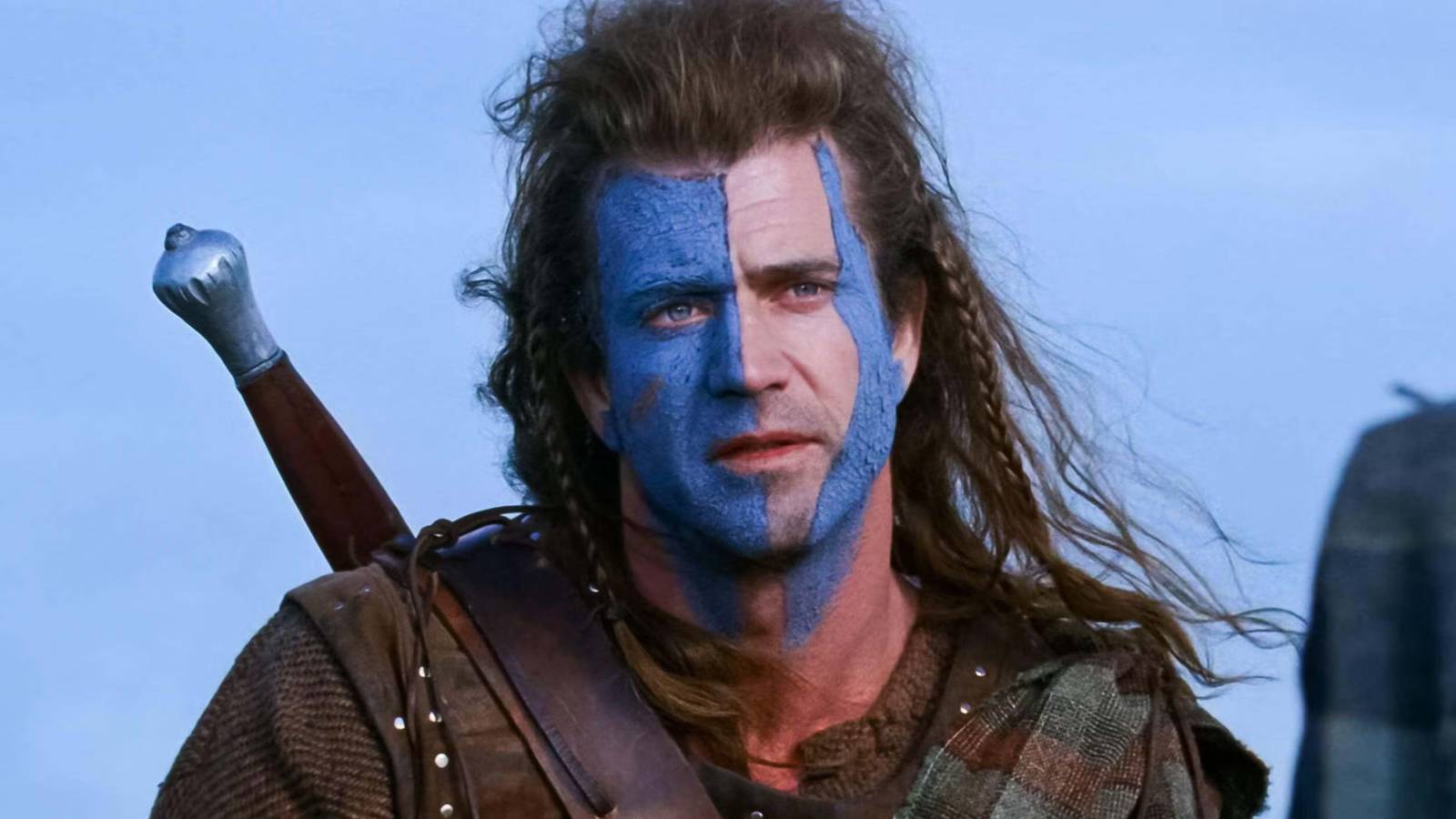
Braveheart is perhaps the clearest example of a movie whose historical reputation and cinematic reputation are almost impossible to separate. The film presents William Wallace as an intensely charismatic freedom fighter leading Scotland against English rule. Its story is built around enormous battles, personal betrayal, romance, and a stirring appeal to national identity.
Much of that presentation is heavily dramatized. The clothing, relationships, chronology, and depiction of the Scottish struggle do not provide a reliable account of the period. The film also reshapes Wallace into a more familiar modern hero, giving him an emotional directness that makes his motives easy for a contemporary audience to understand. Historical figures and events are compressed so that the conflict feels like one continuous personal journey.
Yet the film's power does not depend entirely on factual precision. Its sweeping landscapes, forceful performances, and carefully staged battles give the story the scale of a legend. The movie is interested in the emotional idea of resistance: what it costs to fight for independence and why an individual might become a symbol larger than himself. As history, it is questionable. As an epic, it remains remarkably effective.
Advertisement

Goodfellas takes a different approach to the truth. Martin Scorsese's crime drama is based on the life and recollections of Henry Hill, but it is not a neutral record of organized crime or a literal transcription of every event. The film uses memory, voice-over, editing, and dark humor to create the sensation of entering a criminal world from the inside.
That perspective necessarily affects what the audience sees. Personal accounts can be selective, self-serving, or shaped by later retellings, and the movie turns those qualities into part of its design. People are rearranged, moments are condensed, and some incidents are heightened for rhythm and dramatic impact. The film is not asking viewers to accept every scene as a courtroom-certified fact.
Instead, Goodfellas captures the seduction and instability of the lifestyle it portrays. Its rapid editing and shifting tone make glamour and danger feel inseparable. A celebration can become a threat within seconds, while a joke can expose the cruelty of the people telling it. The film's accuracy is therefore less about reproducing every detail than about conveying the atmosphere of a world built on performance, fear, and betrayal.
Advertisement

Ip Man also demonstrates how a historical figure can be transformed into a screen legend. The movie presents the martial artist as a calm, principled master whose skill and character are tested by political upheaval and conflict. Its fight scenes are designed not merely to show technical ability but to express dignity, discipline, and moral resistance.
The film's biographical treatment is considerably more dramatic than a complete account of Ip Man's life. Events are simplified, antagonists are shaped for the needs of the story, and the action is choreographed according to the conventions of a martial arts movie rather than the limitations of ordinary combat. The result is a heroic portrait that works as myth as much as biography.
That choice gives Ip Man its unusual emotional clarity. The protagonist's restraint becomes a source of suspense, because audiences understand that his refusal to seek conflict does not mean he is incapable of facing it. The movie uses historical circumstances as a framework for a story about self-control, cultural pride, and the responsibility that accompanies exceptional talent. Its inaccuracies are real, but so is its confidence as entertainment.
Advertisement



300 makes no serious attempt to function as a conventional historical account. Inspired by the ancient Battle of Thermopylae through a highly stylized graphic-novel interpretation, the film presents its warriors, enemies, and setting in exaggerated visual terms. The world is filled with monumental bodies, theatrical costumes, monstrous imagery, and speeches intended to sound like legend rather than archival testimony.
The movie's exaggerations are not hidden mistakes waiting to be discovered. They are the foundation of its style. The use of slow motion, high-contrast imagery, and carefully composed violence turns the battle into a piece of visual mythology. Historical complexity is replaced by a deliberately stark conflict between courage and domination.
That approach has obvious limitations. It can flatten cultures and reduce a complicated event to a simple heroic narrative. It should not be used to explain ancient Greek or Persian history. But judged as a stylized action film, 300 is exceptionally focused. Every visual and performance choice serves its central idea of warriors confronting impossible odds. Its success comes from embracing fantasy rather than pretending to offer a textbook.
Advertisement


The Greatest Showman offers another kind of historical reinvention. The film draws on the life of P. T. Barnum, but its version of Barnum is shaped into an inspirational musical protagonist. The story emphasizes ambition, spectacle, family, acceptance, and the possibility of bringing outsiders together through performance.
That optimistic portrait leaves out or softens many of the more troubling aspects associated with Barnum's career. The movie's timeline is compressed, its relationships are simplified, and its central figure is presented in a way that supports a modern story about inclusion and self-belief. The result is closer to a fantasy inspired by a historical name than a comprehensive biography.
Still, the film's songs and staging give it a clear identity. It understands that musicals do not need to communicate ideas through realistic conversation alone. A character's ambition can become a production number, and a group's desire to be seen can become a chorus. The historical liberties allow the movie to pursue emotional uplift with unusual directness. Whether viewers accept that version of Barnum depends on their expectations, but the film succeeds on its own theatrical terms.
Advertisement


The Last Samurai uses the transformation of nineteenth-century Japan as the setting for a story about guilt, cultural change, and a soldier searching for a moral purpose. Its central outsider is placed in the position of learning from the people he initially does not understand. That structure gives the film a familiar redemption arc, but it also means that history is filtered through one character's experience.
The movie simplifies the political and social forces involved in Japan's modernization. It also gives its foreign protagonist a role and level of influence that can make the story feel more like an outsider's fantasy than a balanced account of the period. The samurai culture on screen is romanticized, and the conflict is organized around clear emotional oppositions that were more complicated in reality.
Even so, the movie is effective at creating a sense of a society caught between inherited traditions and new technology. Its production design, landscapes, music, and performances communicate the sadness of a way of life being transformed. The film is best understood as a romantic historical adventure, not a definitive explanation of Japan's past. Its strengths lie in atmosphere and character rather than exact reconstruction.
Advertisement
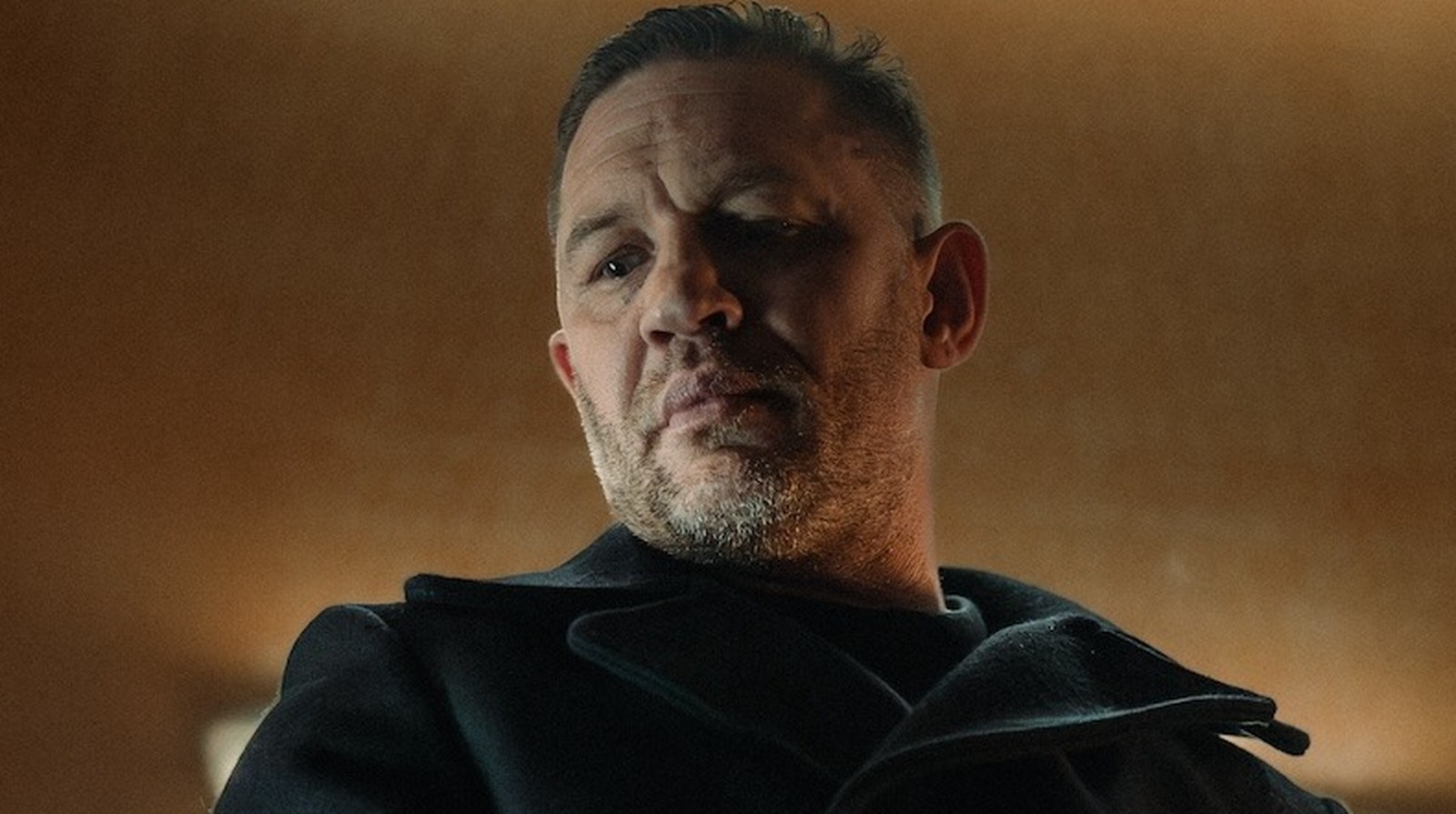
The Patriot turns the American Revolutionary period into an intensely personal revenge story. Instead of concentrating on the full political complexity of the war, it follows a family man drawn into violence after his home and loved ones are threatened. The result is a familiar action-drama structure in which private grief becomes a reason to join a larger cause.
The film takes major liberties with chronology, personalities, and the depiction of wartime conduct. Its central character is not a straightforward portrait of one historical person, even though elements of several figures and episodes inform the story. The conflict is also arranged around a particularly cruel antagonist, allowing the audience to understand the hero's decision in simple emotional terms.
That simplification makes the movie dramatically accessible, but it can obscure the realities of the Revolution and the experiences of people who do not fit its central heroic narrative. Nevertheless, the film has a strong sense of momentum. It combines family drama, battlefield action, and moral conflict in a way that keeps the personal stakes visible even when the scale of the war expands.
Advertisement

Argo is more restrained than many historical epics, but it still reshapes real events for suspense. The film follows an operation built around an audacious cover story and presents the rescue as a tightly escalating thriller. Timelines are compressed, danger is concentrated, and several moments are arranged to create a last-minute sense of uncertainty.
The movie's treatment of events also gives greater emphasis to the people at the center of the American operation than to the wider international effort that made the rescue possible. That decision reflects the conventions of a political thriller: the audience is guided toward a small group of protagonists whose choices determine whether the plan succeeds.
Those changes do not prevent Argo from being compelling. Its strongest achievement is the way it turns bureaucratic planning, acting, and production design into sources of suspense. The movie understands that a successful historical thriller needs more than a famous event; it needs a carefully controlled point of view. Its accuracy is imperfect, but its craft is evident in nearly every scene.
Advertisement

These films reveal why historical accuracy matters without being the only measure of quality. A movie can misrepresent the past and still be valuable as drama, provided viewers understand what they are watching. Historical fiction becomes misleading when its inventions are mistaken for fact, but it can be powerful when it uses the past to explore ideas that remain emotionally recognizable.
The best approach is to enjoy these movies for what they are while remaining curious about the history behind them. Braveheart is an epic, Goodfellas is a subjective crime saga, Ip Man is a martial arts legend, and the others similarly prioritize storytelling over strict documentation. Their inaccuracies deserve discussion, but they do not cancel their entertainment value. Sometimes a film's greatest success is not reproducing history exactly, but making audiences want to learn where the movie ends and the real past begins.