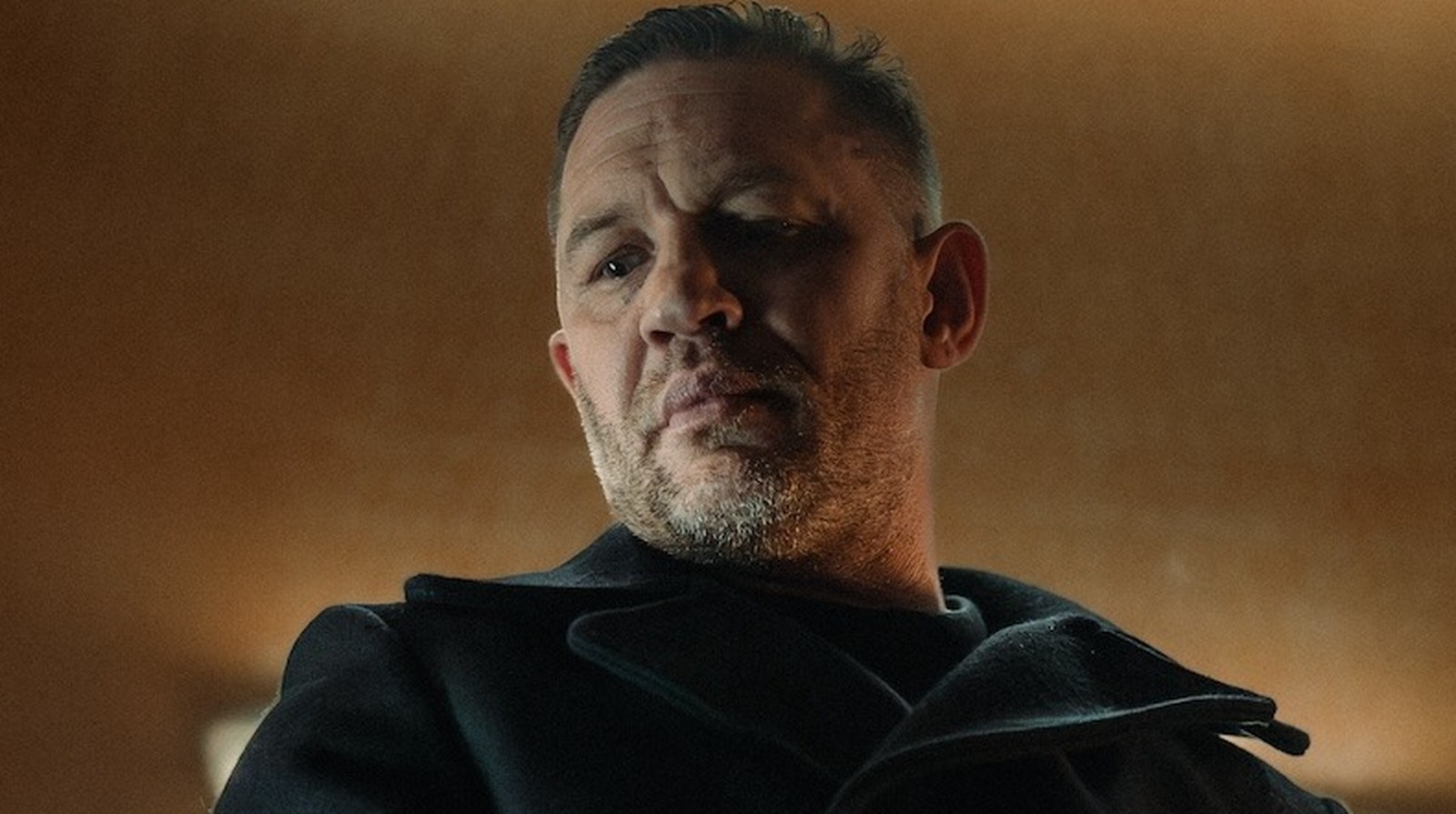
Wolverine PS5 Game Promises a Brutal, Human-Focused Marvel Experience
The upcoming PS5 adventure presents Logan as more than an invulnerable superhero, pairing unapologetic violence with the personal qualities that have kept Wolverine central to Marvel for five decades.

Marvel’s Wolverine is shaping up to be a very different kind of superhero game. Rather than presenting its central character as a polished symbol of heroism, the PlayStation 5 project is described as an unapologetically violent interpretation of Wolverine, a character whose appeal has always depended on the tension between his savage abilities and his deeply human struggles.
That contrast is at the heart of Logan’s enduring popularity. Wolverine can be recognized immediately by his claws, healing ability and fierce temper, but those features alone do not explain why he has remained one of Marvel’s most durable characters. His staying power comes from the person underneath the costume: a wounded, often isolated man who repeatedly tries to control the destructive instincts that have shaped his life.
The upcoming AAA game is positioned to explore that human side. Its violence is not presented as a substitute for character development, but as part of the way the game can express Logan’s complicated nature. Wolverine is a hero who does not fit comfortably into a clean, bloodless vision of superheroism. His battles are personal, physical and frequently difficult to separate from the anger he carries within him.
Advertisement


That makes the character an intriguing choice for a major modern game. Superhero games often ask players to feel powerful, but Wolverine’s fantasy is more conflicted. His strength is inseparable from pain. His healing power allows him to survive punishment, yet it does not erase the emotional damage behind the scars. His claws make him formidable, but they also ensure that every confrontation can become more extreme than a typical comic-book skirmish.
A game centered on Logan therefore has an opportunity to make combat feel meaningful rather than merely spectacular. Violence can communicate the danger of his abilities while also forcing attention onto the cost of using them. The more effectively the game connects action to character, the more clearly it can show why Wolverine remains compelling after decades of changing interpretations.
The project’s emphasis on Logan’s humanity is particularly significant because the character’s history began in an inauspicious way roughly 50 years ago. He was not introduced as an obvious candidate to become one of Marvel’s most recognizable heroes. His rise instead reflects the ability of a fictional character to develop beyond an initial role and gather new layers over time.
Advertisement



That history gives the game a larger challenge than simply translating familiar visual elements into interactive form. Players already know the broad image of Wolverine: the claws, the aggression and the refusal to back down. A successful story must go further by asking what those traits mean to Logan himself. Is his violence an expression of freedom, trauma, self-defense or anger? Can he distinguish between protecting people and giving in to his instincts? These questions are essential to the character’s identity.
Wolverine has endured because he is not easily reduced to one answer. He can be intimidating and vulnerable, reckless and loyal, cynical and protective. The most interesting versions of Logan recognize that these qualities coexist rather than treating them as contradictions that need to be resolved. His rough exterior is part of the defense he has built around himself, while his concern for others reveals a moral center he cannot fully abandon.
The PS5 game’s commitment to a harsher tone could support that approach. A sanitized portrayal might preserve Wolverine’s appearance while weakening the central conflict that makes him distinctive. If the character’s claws are treated like ordinary superhero equipment, the game risks turning him into another powerful action hero. If the violence reflects his struggle to remain in control, it can help distinguish Logan from characters whose powers are less closely connected to their emotional lives.
Advertisement

At the same time, emphasizing brutality creates its own creative responsibility. Violence alone does not make a story mature, and graphic action cannot replace a convincing emotional foundation. The game will need to show why Logan fights, what he is trying to protect and how each confrontation affects his understanding of himself. The human drama must remain visible even when the action becomes intense.
This balance is central to the public image of Wolverine. He has always occupied an unusual place in Marvel’s heroic landscape. He is not defined by perfection, and he does not approach every problem with patience or diplomacy. Yet his willingness to endure hardship for other people is precisely what keeps him from becoming only a dangerous loner. The character’s heroism is often found in restraint: in the decision to protect rather than punish, and in the effort to remain compassionate despite everything he has experienced.
An interactive story can make that struggle especially immediate. In a film or comic, the audience observes Logan’s decisions. In a game, players participate in his movement through the world and experience the rhythm of his confrontations. That perspective can make the conflict between control and fury feel more direct. The game’s structure may allow the character’s violent capabilities and more reflective qualities to exist side by side, presenting Logan not as a simple fantasy of destruction but as a person trying to live with what he can do.
Advertisement


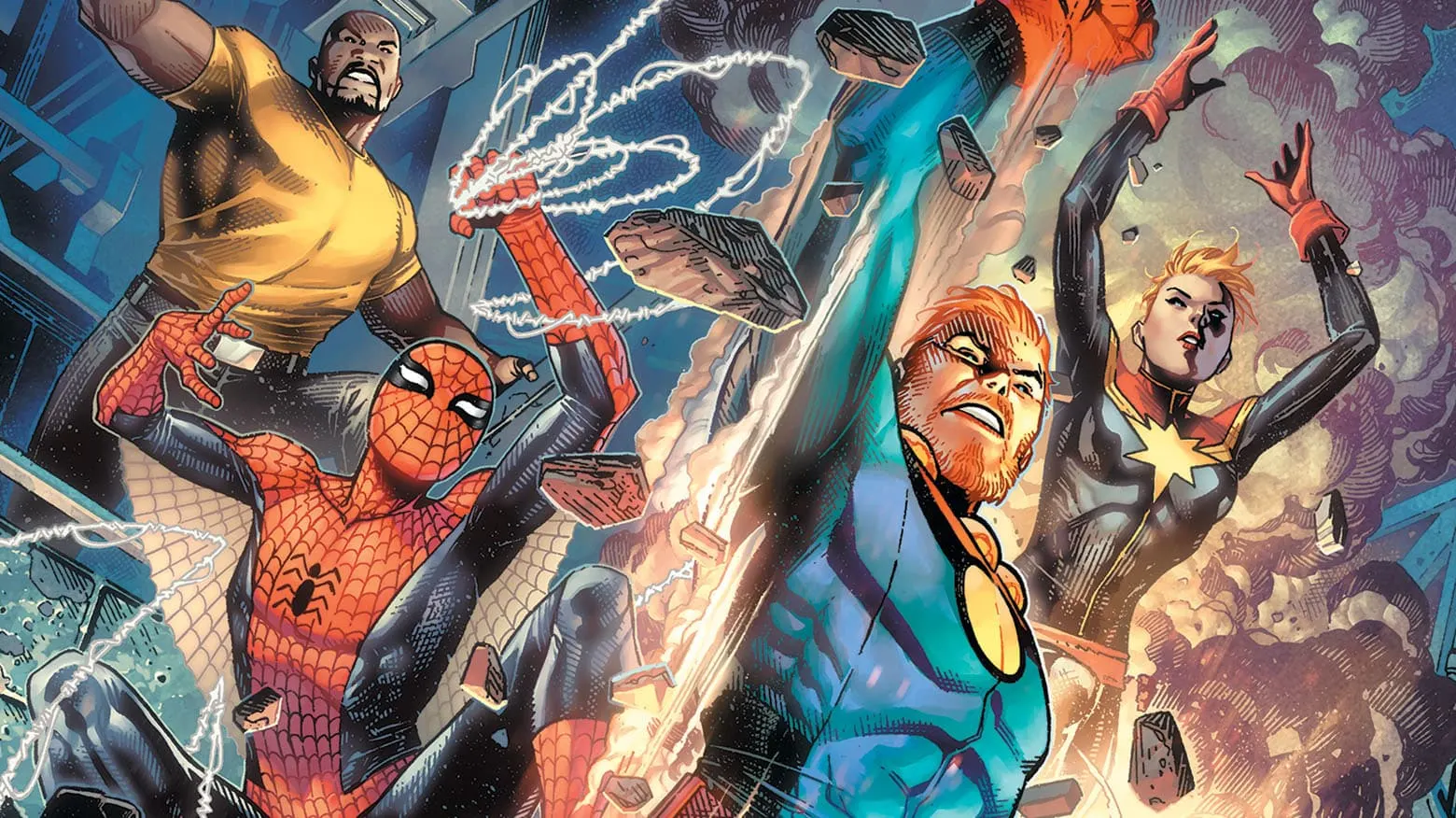
The PlayStation 5 setting also places the project within an era in which superhero games are expected to provide more than recognizable branding. A major release must offer a world and a tone that justify its focus on a particular character. Wolverine’s identity supplies a strong foundation because his history supports both large-scale action and intimate character work. His story can accommodate physical danger while still remaining focused on questions of memory, identity and belonging.
Those themes help explain why the human side of Logan matters so much. His abilities are extraordinary, but his emotional problems are familiar. He struggles with anger, isolation and the consequences of past choices. He may appear indestructible in battle, yet his psychological wounds make him relatable. The character’s appeal comes from watching someone who can survive almost anything continue to wrestle with the parts of himself he cannot simply heal.
The title’s emphasis on an unapologetically violent experience signals that the game is not trying to make Wolverine interchangeable with a more conventional hero. It acknowledges the roughness that has long been part of his identity. However, that promise will be most effective if it serves the story instead of overshadowing it. The purpose of a brutal Wolverine adventure should not be to celebrate cruelty for its own sake. It should be to explore the difficult boundary between the weapon Logan can become and the human being he wants to remain.
Advertisement


That boundary also gives the character a strong dramatic advantage. Logan is not merely dealing with external enemies; he is continually negotiating with his own reputation. Others may see him as a monster, a weapon or an unpredictable fighter. He understands why they might think that, but he also knows that those descriptions fail to capture the loyalty and empathy beneath his anger. His journey is often an attempt to prove, to himself as much as to anyone else, that his worst impulses do not define him completely.
A game built around that idea can make familiar elements feel newly relevant. The claws become a reminder of the damage Logan can inflict. His resilience becomes a reflection of the burdens he carries rather than a reason to ignore them. His isolation becomes an emotional problem that cannot be solved through victory in a fight. Even his aggression can be presented as something that offers immediate power while creating longer-term consequences.
For general audiences, this approach may also make the project accessible beyond longtime Marvel fans. Players do not need to know every stage of Wolverine’s history to understand the basic conflict. A man with extraordinary abilities is trying to control his anger, protect others and find a way to live with the past. That is a straightforward emotional premise, even when the character’s world is filled with superhero-scale danger.
Advertisement

Longtime readers and viewers, meanwhile, are likely to pay close attention to whether the game understands what makes Logan distinct. It is easy to reproduce the surface of Wolverine: the attitude, the physicality and the aggressive fighting style. It is more difficult to capture the sadness, humor and moral uncertainty that prevent him from becoming a one-note tough character. The project’s focus on his human side suggests that those deeper qualities will be important to its interpretation.
The game’s place in Marvel’s larger entertainment landscape adds another layer of interest. Wolverine is one of the company’s most enduring figures, but his durability comes from his flexibility. He has been able to occupy different kinds of stories without losing the core traits that define him. A PS5 adventure can offer another version of Logan while still drawing on the familiar conflict between his violent reputation and his desire to do the right thing.
That flexibility is also why the character remains relevant after approximately five decades. Wolverine’s beginning may have been uncertain, but his identity expanded as creators explored the consequences of his powers and personality. The character became more than an aggressive fighter with a distinctive design. He became a study in survival: the survival of the body, the survival of memory and the survival of conscience.
Advertisement

The upcoming game appears to understand that the most important question is not whether Wolverine can win a fight. His physical abilities already make him exceptionally difficult to stop. The more compelling question is what winning costs him, and whether victory brings him closer to the person he wants to be or further into the role others expect him to play.
That is where the project’s violent tone and emotional ambition can meet. The action can make Logan feel dangerous, while the story can show why danger does not represent his entire identity. The result, if those elements are balanced successfully, could be a superhero experience that feels specifically built for Wolverine rather than adapted from a generic action template.
Marvel’s Wolverine is therefore notable not simply because it puts a famous hero on the PS5. Its importance lies in the interpretation it promises. By embracing the character’s brutality while concentrating on the human being beneath it, the game has the opportunity to examine why Logan has remained so powerful in popular culture. He is not enduring because he is invulnerable. He endures because, despite his pain and his capacity for violence, he keeps trying to choose what kind of person he will be.
Advertisement