Zack Snyder Is Angling to Make Another Batman Movie. Stranger Things Have Happened
Zack Snyder is reportedly setting his sights on Frank Miller’s The Dark Knight Returns, even as DC Studios develops two other Batman projects.

Zack Snyder appears to have his eyes on another Batman film. The filmmaker, whose previous work helped shape a major era of DC’s superhero movies, is reportedly interested in adapting The Dark Knight Returns, Frank Miller’s classic graphic novel. The potential project would represent a return to one of the characters most closely associated with Snyder’s time in the DC universe.
There is no indication that the film has been officially approved, scheduled or placed into production. The idea is instead being discussed as a possibility Snyder is pursuing. That distinction matters, particularly because DC Studios already has two Batman projects in development. Any new version would therefore have to find a place within an unusually crowded landscape of plans for the Dark Knight.
Even so, Snyder’s interest is notable. The Dark Knight Returns is not an arbitrary choice. Miller’s book is one of the best-known Batman stories ever published, and its title has long carried a particular significance for filmmakers and audiences. It presents a version of Bruce Wayne shaped by age, exhaustion and the consequences of a life spent fighting crime. That material naturally connects with the darker, more mythic style that has been associated with Snyder’s superhero work.
Advertisement
The prospect also raises a familiar question for DC fans: how many different Batmen can the studio support at the same time? Batman is one of the most recognizable characters in popular culture, and his stories can be reinterpreted across films, television and comics. Yet the existence of multiple projects still requires careful planning. Each version needs a distinct identity, a clear creative purpose and enough room to stand apart from the others.
Snyder’s proposed direction appears to be centered on Miller’s graphic novel rather than on an entirely new interpretation of the character. That could give the project a defined foundation from the outset. It would also place the filmmaker in conversation with a source that has already exerted considerable influence over the way Batman has been imagined on screen.
The Dark Knight Returns is widely regarded as a landmark Batman story. Its importance comes not simply from featuring the superhero, but from treating the character as someone whose identity and mission have been tested over time. The book’s approach helped demonstrate that superhero comics could support more mature, politically charged and psychologically serious storytelling. An adaptation would therefore carry expectations that go beyond the usual question of who plays Batman.
Advertisement

A film based on the book would have to decide how closely it wanted to follow that material. It could attempt a direct translation, preserving the central idea of an older Batman drawn back into action. Alternatively, it could use the graphic novel as a starting point while reshaping the story for a new cinematic continuity. The source material supplied for the project does not establish which approach Snyder might take, or whether any formal adaptation plan exists.
That uncertainty is central to the story. Snyder is described as angling to make the movie, not as having secured the rights, a green light or a production commitment. There are no confirmed details about a cast, a release date, a screenplay or the film’s relationship to the other Batman projects being developed by DC Studios. Until those matters are addressed, the idea remains a possibility rather than an announced production.
Still, Snyder’s name gives the proposal immediate weight. He directed Batman v Superman: Dawn of Justice, placing Batman at the center of one of DC’s most ambitious cinematic confrontations. His version of the character was defined by a severe visual style and a sense of history, presenting the hero as a figure shaped by loss, conflict and the burden of his public mission. Those qualities make The Dark Knight Returns an understandable target for a filmmaker interested in exploring Batman at another stage of his life.
Advertisement

The potential project would also invite comparisons with Snyder’s earlier interpretation. A new adaptation of Miller’s work could be viewed as a continuation of ideas he has previously explored, even if it were not formally connected to earlier films. On the other hand, it could allow him to approach the character without the demands of building a larger shared universe. The source information does not say whether Snyder wants the project to be part of an established continuity or a standalone film.
That question is especially important because DC Studios is already working on two Batman projects. Their existence suggests that the studio’s current plans include more than one path for the character. A Snyder film would add another potential route, potentially making the larger Batman strategy more complex. It could also create an opportunity to offer audiences a substantially different kind of story, provided the project is designed to distinguish itself from the other productions.
Multiple Batman projects are not automatically a problem. The character’s long publishing history includes a wide range of tones and interpretations, from detective stories to large-scale superhero adventures and intimate character studies. Different versions can coexist when their settings, themes and storytelling approaches are clearly separated. The challenge is communicating those differences to the public and ensuring that one film does not make another feel redundant.
Advertisement


For The Dark Knight Returns, the most obvious point of separation would be its focus on an older and more experienced Batman. That premise would contrast with stories that begin with Bruce Wayne at the start of his career or concentrate on a more conventional superhero status quo. It could also give the movie a reflective quality, allowing the character’s past actions and accumulated experiences to shape the story.
However, the same qualities that make the graphic novel attractive also make it difficult to adapt. A film would need to capture the work’s distinctive atmosphere without simply reproducing its panels. It would have to translate a story built around the power of images, internal conflict and a highly recognizable interpretation of Batman into a moving cinematic narrative. That would require decisions about pacing, tone and the amount of material that could fit into a single feature.
The title itself may also encourage assumptions about what the project would be. “The Dark Knight Returns” suggests a Batman who has been absent and is drawn back toward his old mission. But the source material provided does not confirm how Snyder would interpret that premise, which elements he would retain or whether the proposed film would use the title officially. It is therefore too early to treat the possible adaptation as a finalized version of Miller’s story.
Advertisement


For now, the most concrete facts are limited. Snyder is interested in making another Batman movie. He has set his sights on Frank Miller’s The Dark Knight Returns. At the same time, DC Studios already has two Batman projects in the making. Those circumstances establish the basic outline of a potential development, but they do not answer the practical questions that would determine whether the film reaches the screen.
Such questions include whether DC Studios would support Snyder’s proposal, how the project would fit alongside its existing plans and whether an adaptation of Miller’s book would be considered the right use of another Batman film. The supplied information does not indicate that the studio has made a decision on any of those points. It is possible to regard the proposal as intriguing without treating it as an imminent release.
The timing is nevertheless significant because Batman remains central to DC’s plans. Any new film involving the character can influence how audiences understand the studio’s broader direction. A Snyder project would carry additional interest because of his prior association with DC and because The Dark Knight Returns has such a strong reputation among comic-book readers. That combination makes the possibility more newsworthy than a routine early-stage pitch.
Advertisement


It also explains why the idea may divide opinion. Some viewers may welcome Snyder’s return to the character and see Miller’s graphic novel as a natural source for his visual and thematic strengths. Others may question whether another Batman interpretation is necessary while two other projects are already being developed. Both reactions are understandable, but neither changes the current status: the movie is a proposal being pursued, not a confirmed production.
A successful adaptation would ultimately need to justify its existence on its own terms. It could not rely only on the popularity of Batman, the reputation of the graphic novel or the name of its potential director. The film would need a compelling reason to revisit this particular story and a clear explanation of how its version of the character differs from the other Batmen planned for DC Studios.
The graphic novel provides a powerful starting point, but it does not remove those creative and strategic challenges. Miller’s work is already familiar to many fans, and expectations would likely be high. A movie would be judged both as an adaptation and as a new Batman story. It would have to honor the identity of its source while offering audiences something more than a cinematic reproduction of material they already know.
Advertisement

At this stage, it is best to view Snyder’s interest as an indication of ambition rather than a promise of production. The project may develop further, or it may remain an idea competing with other priorities. The presence of two Batman films already in the making makes the path more complicated, but not necessarily impossible. DC has not been presented as having ruled out the proposal, and the character’s capacity for reinvention leaves room for more than one interpretation.
For fans, the immediate story is therefore less about a confirmed new release and more about the possibility of a filmmaker returning to a character and a creative tradition closely linked to his earlier work. Snyder’s interest in The Dark Knight Returns suggests a desire to explore Batman through a story about legacy, age and a return to action. Whether that interest becomes a finished film will depend on decisions that have not yet been announced.
Until there is formal confirmation from DC Studios, details about the project should be treated cautiously. There is no confirmed cast, production schedule, release date or stated continuity for Snyder’s proposed adaptation. What exists is a high-profile creative ambition set against an already active Batman slate. That alone is enough to make the possibility notable, even if the final outcome remains unknown.
Advertisement
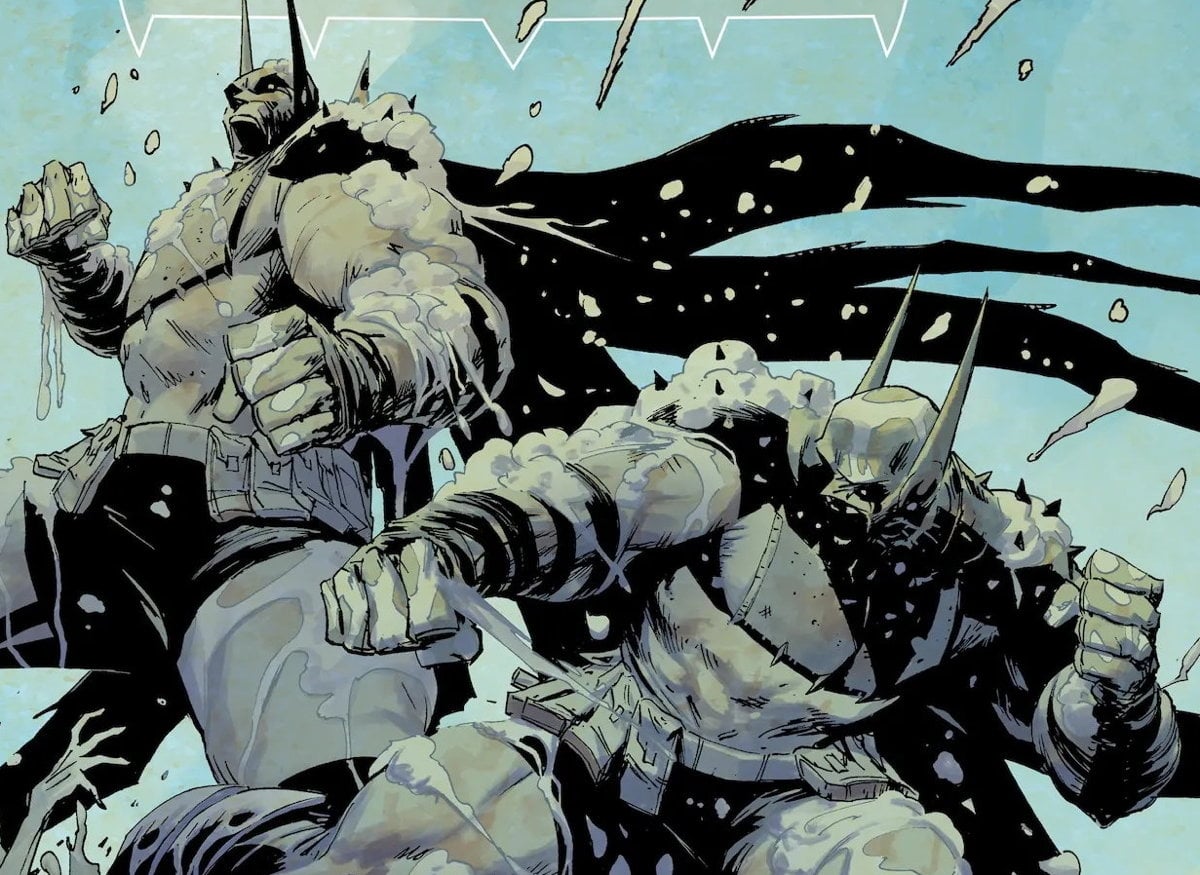

For the moment, then, Zack Snyder’s potential Batman comeback belongs in the category of intriguing development rather than official DC news. The Dark Knight Returns is an unmistakable choice, and Snyder’s connection to Batman gives the idea an immediate logic. But with two other projects already underway, the crucial question is not whether another Batman movie can be imagined. It is whether this particular version can find a place in DC’s increasingly crowded plans for the Dark Knight.