The 10 best Jim Lee comics, from Batman: Hush to his legendary X-Men run
Jim Lee’s career spans Marvel’s mutant revolution, the creation of WildStorm and some of DC’s most visible modern comics.
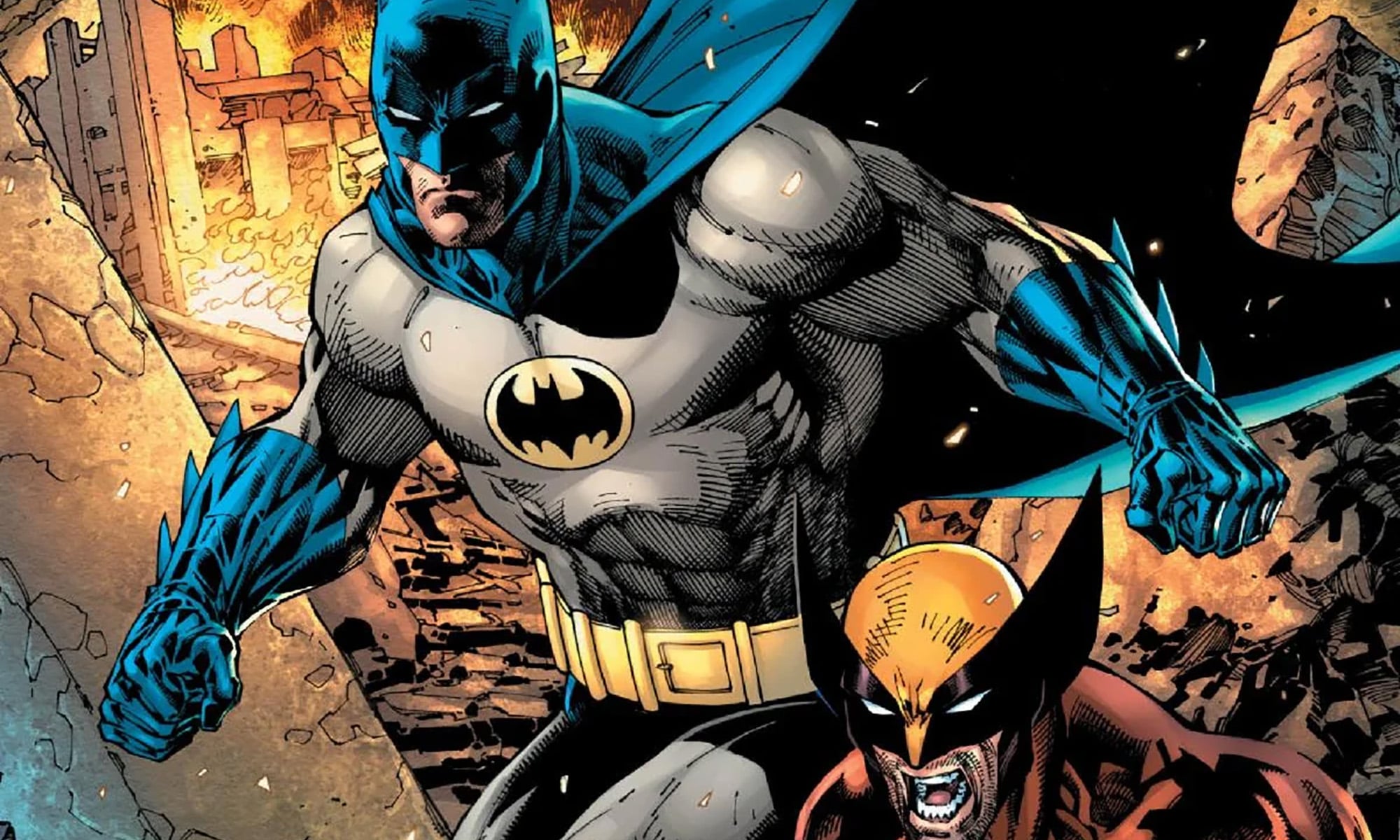
Jim Lee is one of the most recognizable artists in modern superhero comics. His pages are defined by dramatic poses, elaborate costumes, sharply detailed faces and a sense of scale that makes even familiar characters feel larger than life. Across Marvel, Image Comics and DC, Lee helped shape the visual language of superhero publishing for several generations of readers.
His career is especially notable because it has never been limited to one company or one style of story. Lee became a major Marvel name through the X-Men, helped establish an independent publishing company with WildStorm, and later became one of DC’s most important artistic figures. The following selection brings together ten comics that represent the major stages of that journey.
These books are not simply a ranking of attractive artwork. Together, they show how Lee approached team books, creator-owned concepts, major company relaunches and long-form superhero storytelling. They also reveal why his influence extends beyond individual issues: his designs and layouts have often become part of the way readers imagine the characters themselves.
Advertisement


Uncanny X-Men is the essential starting point for understanding Lee’s rise. Before he became a household name among comic readers, Lee developed his reputation through increasingly confident work on Marvel’s mutant titles. His art brought a powerful combination of energy and precision to the X-Men, a team already known for its large cast and visually distinctive costumes.
The appeal of Lee’s X-Men pages came from their immediacy. Characters were easy to identify, action was clearly staged and every member of the team appeared to have a strong physical presence. His interpretations of Wolverine, Storm, Cyclops, Rogue and the rest of the roster gave the group a unified look while preserving the personality of each hero.
Lee’s partnership with writer Chris Claremont became one of the defining creative combinations in superhero comics. Claremont supplied the long-running character conflicts and dramatic momentum, while Lee provided artwork that made the team’s adventures feel spectacular. The result helped establish Lee as an artist capable of carrying one of Marvel’s flagship franchises.
Advertisement



X-Men volume two, issue one remains Lee’s most commercially important Marvel comic. Published during the early 1990s, the issue arrived at a moment when the X-Men had become central to Marvel’s publishing strategy. Its scale, cast and presentation made it an event for readers, and its success demonstrated the enormous audience for Lee’s version of the team.
The issue is particularly significant because it combines many of the qualities associated with Lee’s superhero art. The characters are presented with polished costumes, forceful silhouettes and a heightened sense of spectacle. The cover and interior pages emphasize the group as a collection of individual stars, while also making them look like a unified team.
For many readers, this was the comic that defined the visual identity of the X-Men in the 1990s. It also showed how an artist could become a major selling point in his own right. Lee’s name was not merely attached to the book; it was central to the excitement surrounding it.
Advertisement
:max_bytes(150000):strip_icc()/best-zombie-movies-of-all-time-091826-5accf3a038ac4ecabf9cab6f317ce535.jpg)

Uncanny X-Men issues from Lee’s landmark run deserve recognition separately because they demonstrate how quickly his storytelling developed. His work on the title was not important only because of individual splash pages or memorable character drawings. He had to manage crowded scenes, fast-moving fights and emotional exchanges involving a large ensemble cast.
That challenge helped establish several trademarks of his approach. Lee filled environments with detail without losing the main action, used perspective to make movement feel forceful and treated costumes as an important part of character identity. His X-Men work also showed a willingness to make heroes look glamorous and intimidating at the same time.
The run remains a useful introduction to the artist because it places his strongest qualities in a classic Marvel setting. Readers can see him working within an established mythology while giving the characters a visual polish that became distinctly his own.
Advertisement
WildC.A.T.s marked a major change in Lee’s career. After becoming one of Marvel’s most prominent artists, he helped form Image Comics with several other leading creators. WildC.A.T.s became Lee’s signature contribution to that new publishing venture and provided a setting in which he could develop his own characters and concepts.
The series carried forward the elements that had made Lee’s Marvel work so popular: imposing heroes, intricate costumes, large-scale battles and a strong emphasis on visual design. At the same time, it allowed him to work outside the limits of an established Marvel franchise. The book represented an important moment in the early history of Image and in the broader growth of creator-driven superhero publishing.
WildC.A.T.s is also valuable as a record of Lee’s changing ambitions. He was no longer only interpreting characters owned by a major publisher. He was helping build a fictional universe and a publishing identity around original creations. That shift made the series an essential part of any survey of his career.
Advertisement
Deathblow highlights another side of Lee’s work during the WildStorm era. While his X-Men pages were associated with colorful team action, Deathblow offered a darker and more severe visual atmosphere. The contrast helped show that Lee’s style could be adapted to different kinds of superhero stories without losing its characteristic detail.
The book’s appeal lies in its mood as much as its character design. Lee’s artwork gives the material a hard-edged appearance, using dense line work and dramatic compositions to create a sense of danger. It stands apart from the bright team spectacle of his Marvel work and demonstrates his interest in more intense, visually imposing storytelling.
Deathblow also belongs to the period when Lee was helping define the look of WildStorm. Alongside WildC.A.T.s, it helped establish that the new publishing line could offer a range of tones and visual identities rather than a single house style.
Advertisement

Batman: Hush brought Lee to one of the most important characters in the DC library. Written by Jeph Loeb, the storyline follows Batman as he confronts a mysterious enemy connected to his past. The story was designed as a major Batman event, bringing together familiar allies, villains and supporting characters.
Lee’s role was crucial to the book’s impact. Batman is a character who depends heavily on silhouette, atmosphere and movement, and Lee approached him with the same clarity and muscular detail that had defined his earlier superhero work. Gotham City feels expansive, the action has a cinematic rhythm and each returning character receives an instantly recognizable visual treatment.
Hush also demonstrates Lee’s ability to make a large crossover-style story feel accessible. The storyline includes many major figures from Batman’s world, but the artwork gives every scene a clear focal point. Readers can follow the plot through the expressions, body language and staging even when the cast becomes extensive.
Advertisement

The series became one of Lee’s best-known collaborations and a natural entry point for readers discovering his work outside Marvel. It also confirmed that his visual style could be applied successfully to a character with a very different atmosphere from the X-Men.
Superman: For Tomorrow gave Lee the opportunity to draw another of DC’s defining heroes. Written by Brian Azzarello, the story presents Superman in a more reflective and emotionally serious setting. The material demanded more than action spectacle, requiring Lee to depict both extraordinary power and human vulnerability.
His Superman is physically imposing, but the artwork does not reduce the character to a collection of heroic poses. The scale of the figure is balanced by quieter moments and detailed environments. That contrast is central to the book’s appeal: Superman can appear almost mythic in one scene and deeply personal in the next.
Advertisement


The series is a useful example of Lee working on a single hero rather than a large team. With fewer characters competing for attention, his rendering of Superman becomes the visual center of the story. The book also shows how his polished line work can support a slower, more contemplative narrative.
All Star Batman and Robin, the Boy Wonder reunited Lee with writer Frank Miller for a highly publicized take on Batman and Robin. The book generated discussion for its interpretation of the characters, but Lee’s artwork remained one of its defining features.
Lee approached the project with an emphasis on intensity and visual grandeur. Batman is presented as a powerful, imposing figure, while Gotham is filled with dramatic architecture, strong shadows and carefully staged action. The pages have the feeling of a major production, reflecting the attention given to the project before publication.
Advertisement


The series is important in Lee’s bibliography because it shows him working on a version of Batman that is deliberately heightened and confrontational. It is not simply a repeat of the approach used in Hush. Instead, it demonstrates his ability to adjust his visual storytelling to a more extreme interpretation of a familiar hero.
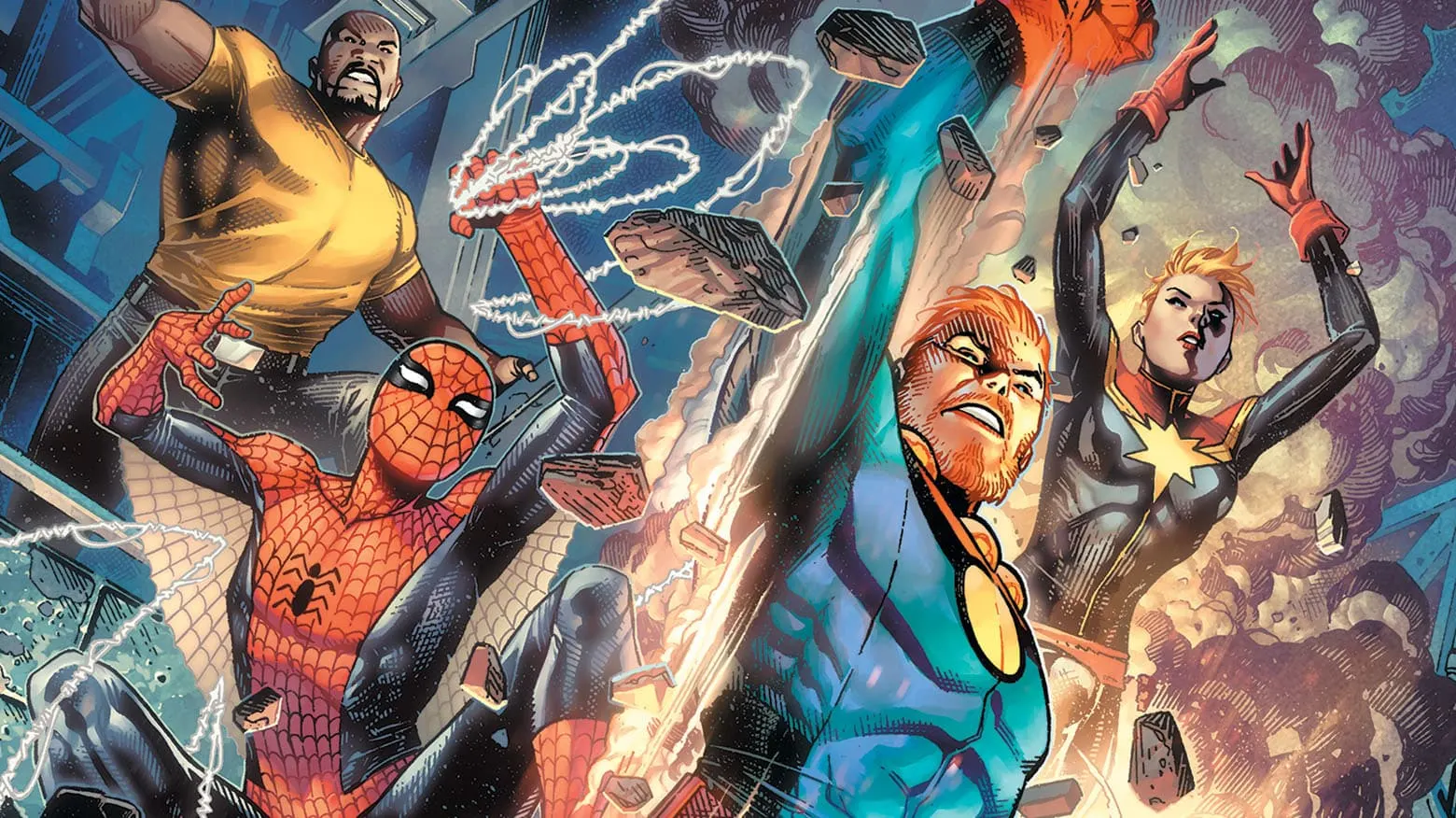
Justice League was another major DC assignment and placed Lee at the center of a company-wide relaunch. The book brought together several of DC’s most prominent characters, including Superman, Batman, Wonder Woman and other members of the publisher’s wider superhero universe.
A Justice League comic must make individual heroes feel important while also convincing readers that they belong to one functioning team. Lee’s work is particularly suited to that challenge. His character designs are distinct, his group compositions are expansive and his action scenes give the team a sense of power and coordination.
Advertisement
:max_bytes(150000):strip_icc()/marvel-wolverine-video-game-091826-9c0fced69e42415196a9ee81b37032bc.jpg)
The series also reflects Lee’s growing role beyond the drawing board. By this stage of his career, he was closely associated with the presentation of DC’s modern superhero line. Justice League therefore represents both an artistic achievement and an example of his importance to the company’s broader publishing identity.
Batman and Deadpool shows Lee returning to the kind of high-profile character meeting that has long been popular in superhero comics. The appeal of the pairing comes from the contrast between Batman’s controlled, methodical personality and Deadpool’s unpredictable humor and violence.
Lee’s artwork provides a visual bridge between the two worlds. Batman can be presented with the gravity and menace expected from his own stories, while Deadpool supplies a more chaotic counterpoint. The project is a reminder that Lee’s appeal is not limited to one publisher or one type of tone; his recognizable character work can support both serious superhero drama and playful genre collisions.
Advertisement


Looking across these ten comics, a consistent pattern emerges. Lee’s greatest strength is not simply his ability to draw attractive heroes. It is his talent for making a familiar character or team feel like an event. His pages communicate importance through scale, detail and carefully controlled composition.
That quality explains why his work on the X-Men remains so influential and why books such as Batman: Hush continue to serve as introductions to his art. He understands the visual expectations attached to major superheroes, but he also knows how to heighten them. Costumes become sharper, confrontations become larger and teams appear ready to leap beyond the page.
Lee’s career also reflects the changing comic-book industry. He moved from Marvel’s established superhero system to creator-led publishing and then became a major creative and executive presence at DC. Each stage added something different to his reputation. The X-Men established his popularity, WildStorm demonstrated his independence and his DC work confirmed his ability to shape the presentation of an entire superhero universe.
Advertisement
For readers who want to explore his work, the best route is to begin with the X-Men material, move through WildC.A.T.s and Deathblow, and then compare his different approaches to Batman, Superman and the Justice League. Taken together, these comics explain why Jim Lee remains an icon: his art is immediately identifiable, but his career has never been confined to a single formula.