DC’s Clayface trailer shifts the focus from superheroes to supervillain
The first look at Clayface points to a different kind of DC story as Warner Bros. and DC Studios look beyond conventional superhero fare following Supergirl’s disappointing reception.

Warner Bros. and DC Studios are preparing to place one of their most unusual characters at the centre of the conversation. The newly released trailer for Clayface shifts attention away from the familiar image of the costumed hero and towards a figure more commonly recognised as a Batman adversary. That change in perspective could give the DC brand a distinctly different route forward at a time when audiences have shown signs of fatigue with traditional superhero storytelling.
The timing is significant. Earlier this year, Supergirl failed to soar with audiences and critics alike, leaving the studios with the difficult task of maintaining interest in the wider DC slate. A film led by a supervillain, rather than a conventional hero, offers an opportunity to reset expectations. It does not automatically guarantee success, but it does give DC a chance to present a story that feels less familiar in both tone and point of view.
Clayface is a particularly interesting character for that purpose because his identity is built around transformation. Even viewers who have never followed the character closely will understand the basic appeal of a figure whose appearance and identity can shift. That premise naturally raises questions about performance, self-image and the unstable boundary between a person and the role that person is trying to play. The trailer’s central significance, therefore, is not simply that it introduces another comic-book figure. It signals a willingness to build a film around a character whose appeal comes from uncertainty.


For years, superhero cinema has generally been organised around recognisable icons. Audiences are invited to follow a hero’s origin, watch that hero confront a threat and then return for another chapter in an expanding universe. Villains are usually important to those stories, but they remain supporting figures, designed to challenge the protagonist. Clayface reverses that arrangement. Here, the character normally positioned on the other side of the conflict becomes the reason to buy a ticket.
That reversal could help the film stand apart from the crowded superhero market. It also creates a more complicated marketing challenge. A hero can often be sold through bravery, spectacle and a clear moral purpose. A villain is harder to package, particularly when audiences may not know whether they are expected to sympathise with the character, fear him or simply be fascinated by him. The trailer appears to be asking viewers to consider Clayface as more than an obstacle for another DC character to overcome.
The most important question surrounding the project is how it will define its lead. Calling Clayface a supervillain establishes his place in DC mythology, but it does not explain the kind of story the film wants to tell. A villain-centred movie can become a tragedy, a psychological drama, a creature feature or a darkly comic examination of fame and identity. Without revealing more than the trailer does, the shift in focus suggests that the character’s inner conflict will matter as much as the danger he represents.


That possibility is what makes the film potentially valuable to DC’s developing screen universe. The studio does not necessarily need every project to resemble the last one. In fact, a slate that moves between different genres and viewpoints may be better equipped to retain audience interest than one that relies on the same combination of origin stories, large-scale battles and familiar heroic beats. Clayface can offer a test of whether the brand is prepared to let a DC production be defined by character and atmosphere as much as by franchise connections.
The shadow cast by Supergirl cannot be ignored. The film’s disappointing response from both critics and audiences has increased the pressure on subsequent DC releases. When a major superhero film underperforms, the impact extends beyond that individual title. It encourages viewers to question whether the next release will provide anything genuinely new, while giving critics another reason to examine the health of the genre. Clayface arrives with an immediate point of difference, but that distinction will only matter if the completed film turns it into a compelling experience.
A trailer can establish a mood and a premise, yet it cannot settle the larger question of execution. The film will need to make its central transformation feel meaningful rather than merely visual. Clayface’s unusual abilities can create striking images, but special effects alone will not carry a feature-length story. The character must have a reason for changing, something to lose and a believable emotional path for the audience to follow. If those elements are present, the fantastical premise could become an accessible human story. If they are absent, the film may struggle to become more than an inventive extension of a familiar comic-book concept.

This is also where the project’s villainous perspective becomes especially useful. A conventional hero story usually begins with a person who wants to do the right thing, even if the path is difficult. Clayface begins from a more uncertain position. His choices may be selfish, destructive or morally compromised, and that ambiguity gives the filmmakers room to explore motivations that a straightforward superhero narrative might avoid. The audience does not need to approve of the character to remain invested in him. They do, however, need to understand what drives him.
The concept of a changing face carries an obvious symbolic weight. It can speak to the pressure to perform, the desire to become someone else or the fear that there is no stable identity beneath the mask. Those themes are not exclusive to comic-book stories; they are familiar concerns in everyday life. People adapt their behaviour for different audiences, hide parts of themselves and worry about being seen as inadequate. Clayface turns those ordinary anxieties into a fantastical premise, which may be one of the film’s strongest opportunities.
That thematic potential could also make the film more approachable for viewers who are not committed followers of DC continuity. A story rooted in a recognisable emotional problem has a better chance of standing on its own than one that depends entirely on references and connections. The supplied trailer description does not establish how closely the film will be tied to other DC projects, so it is too early to determine the scale of those links. The more important question is whether a newcomer can understand and care about the central character without needing an extensive knowledge of his previous appearances.

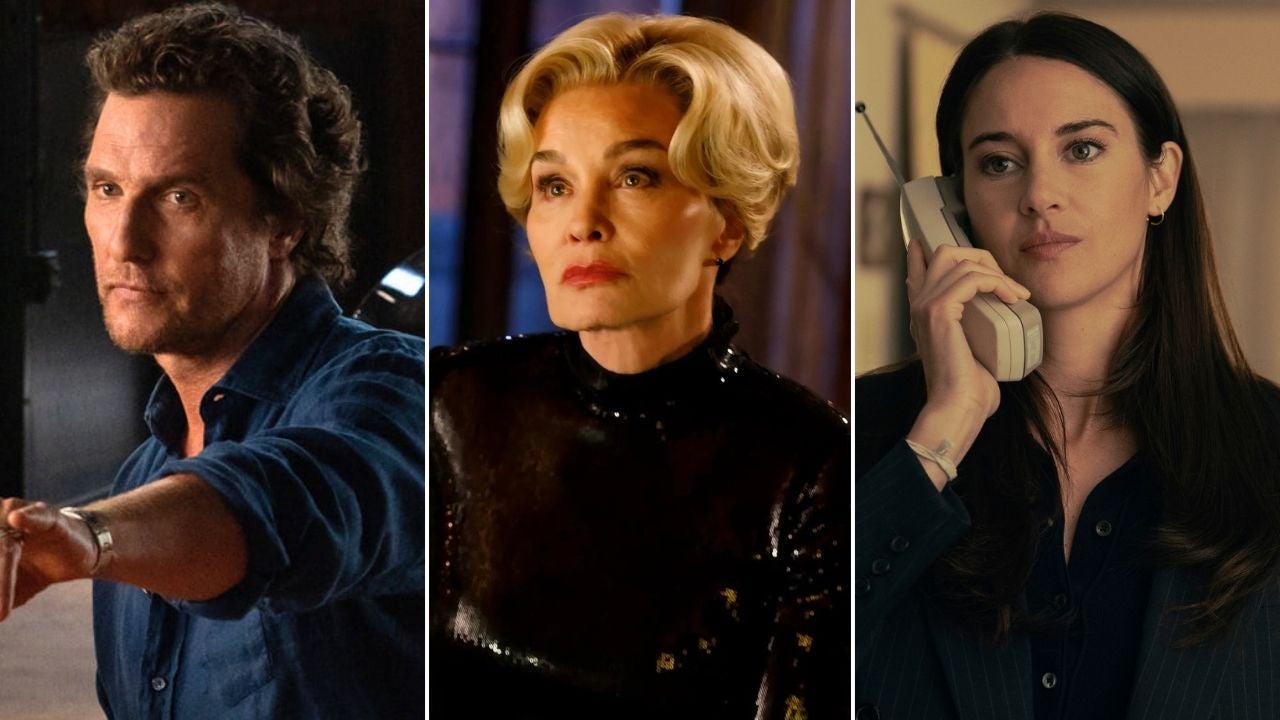
For longtime DC fans, the project carries a different kind of appeal. Clayface has always stood out because he is not simply a person in a costume. His powers and appearance make him a visually distinctive presence, and his place in the Batman corner of the universe has allowed him to function as both a frightening threat and a tragic figure. Giving him the lead role acknowledges that the character has enough history and personality to support a story beyond the usual hero-versus-villain structure.
It also reflects a broader change in the way comic-book properties are being evaluated. Studios can no longer assume that a familiar name will be enough to create excitement. Audiences have access to an enormous number of films and series, many of them built around characters with decades of published history. The selling point must be more specific. In Clayface’s case, the selling point is the chance to experience a DC story from the perspective of a figure who would normally be treated as the threat.
That does not mean the film should abandon spectacle. A character with Clayface’s abilities naturally belongs in a production capable of delivering physical scale and visual imagination. The challenge is to make those elements serve the story instead of overwhelming it. The most memorable transformation scenes will be the ones that reveal something about the character, not merely demonstrate what the effects team can create. A change in form should carry consequence. It should alter a relationship, expose a fear or force a decision.


The trailer’s role in this early stage is to establish that Clayface deserves attention in his own right. It presents the project as a departure from the safer rhythm of another heroic origin, and that departure may be exactly what DC needs. Yet the film will also have to persuade viewers that the difference is more than a marketing angle. A supervillain lead is intriguing before the story begins; the completed film must show why this particular villain is worth following for an entire feature.
There is a potential risk in asking audiences to spend so much time with a character traditionally associated with menace. If Clayface is portrayed as too sympathetic, the film may soften the qualities that made him compelling as an antagonist. If he is presented as purely destructive, viewers may find it difficult to remain emotionally engaged. The balance will be delicate. The story needs to preserve his danger while giving the audience enough access to his perspective to understand the choices he makes.
That balance may ultimately determine whether the film becomes a genuine turning point or simply another experiment from a studio searching for its next success. The disappointing response to Supergirl has made the stakes more visible, but Clayface should not be judged only as a corrective to that film. Its success will depend on its own identity, its own writing and its own ability to make a strange premise feel urgent.
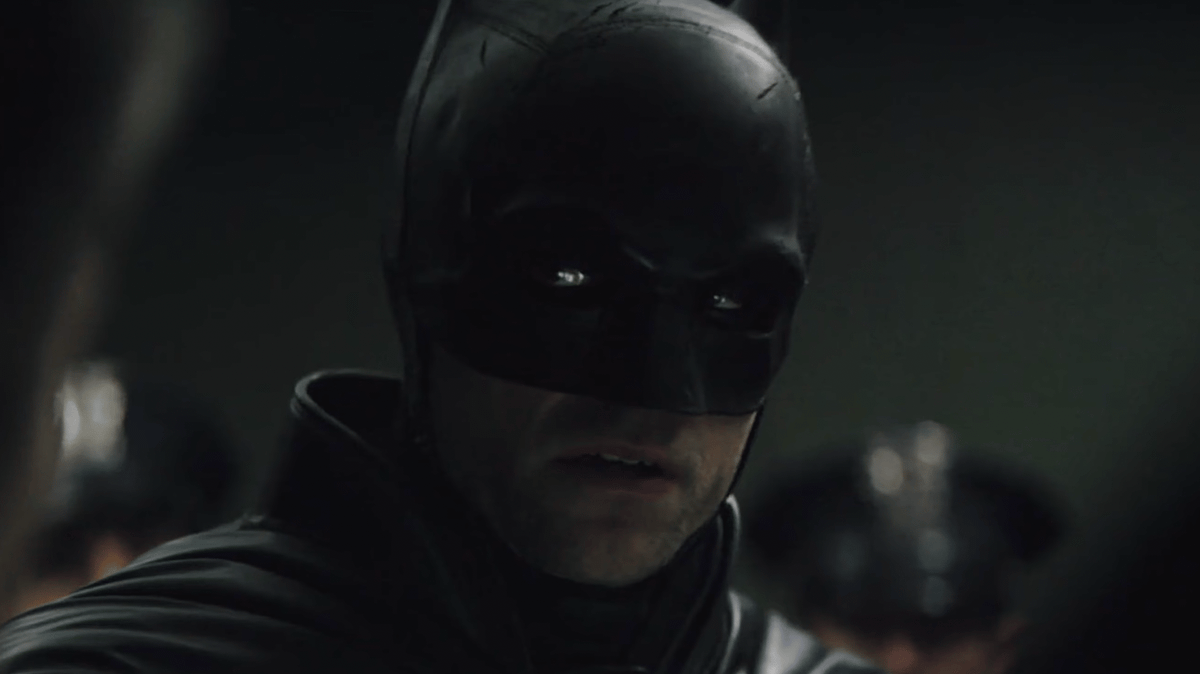
For Warner Bros. and DC Studios, the attraction is clear. A supervillain-led feature can expand the range of stories associated with the brand while offering audiences something that is immediately recognisable yet not entirely predictable. It allows DC to test whether viewers will follow a morally uncertain central figure, and whether a comic-book film can build momentum through mood, character and transformation rather than relying solely on heroic iconography.
The trailer therefore represents more than a first look at a new release. It is an indication of the direction DC may be willing to explore as it tries to recover attention and confidence. After a superhero film that failed to connect, the studio is turning the camera towards a character who has traditionally occupied the darker side of the story. Whether that gamble pays off remains unknown, but the premise gives Clayface an opportunity that many franchise films never receive: the chance to make audiences curious before they know exactly what to expect.