5 Failed TV Pilots Based on Movies, Ranked
Several movie franchises looked ready for television, but their pilot episodes never became lasting series.

Hollywood has spent decades trying to turn successful movies into television series. The appeal is obvious: a familiar title can attract attention before a new show has even aired, while an established world gives writers and producers a starting point. Yet a recognizable movie brand is not a guarantee of television success. A feature film may work because of its scale, its stars, its tightly controlled story, or the novelty of seeing a particular idea unfold for two hours. A weekly series requires something different. It needs characters who can sustain repeated stories, a premise that can be expanded without losing its identity, and a reason for viewers to return after the opening episode.
That gap between a movie and a television series has produced a long list of abandoned projects. Some adaptations were formally ordered to series and later disappeared. Others stopped at the pilot stage, leaving behind only an intriguing glimpse of what might have been. The five projects considered here are memorable precisely because they attempted to build television futures for recognizable movie properties, but never managed to become lasting shows.
The ranking is less a judgment on the quality of the unaired or short-lived pilots than an assessment of how interesting the underlying experiment remains. A failed pilot can still be valuable. It can reveal how studios interpreted a popular movie, what they believed audiences wanted from a familiar property, and where the original concept proved difficult to enlarge.
Advertisement


5. Darkman
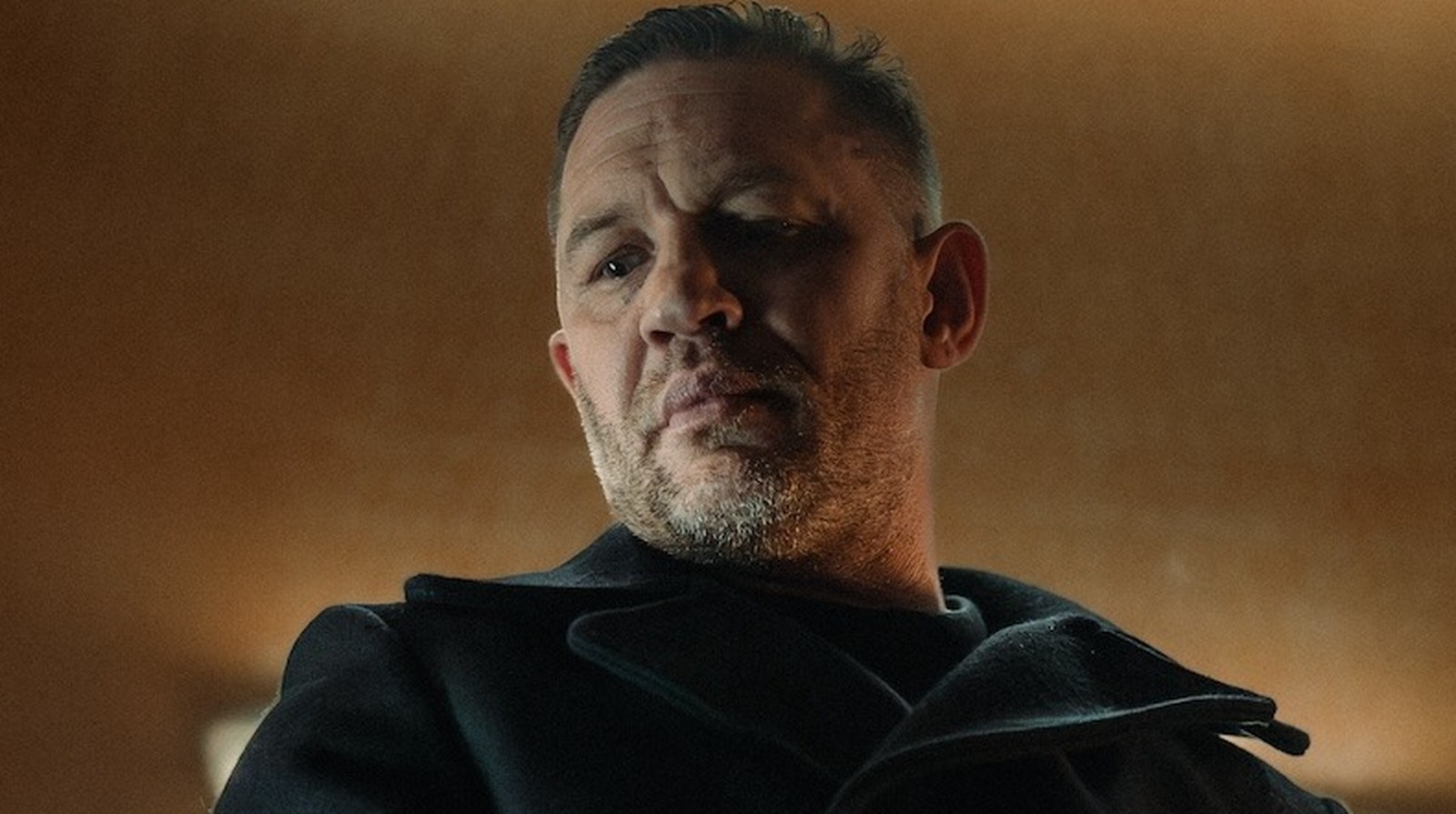
Darkman is an especially unusual candidate for television. The movie’s central idea is immediately accessible: a badly injured man uses artificial faces and a carefully constructed identity to pursue justice. That concept offers the ingredients of a continuing series, including mystery, disguise, action, and a protagonist whose appearance can change from one story to the next.
At the same time, the film’s identity is closely tied to its heightened atmosphere. Darkman is not simply a conventional crime hero. The character’s physical damage, emotional isolation, and strange relationship with his own identity give the material a distinctive tone. A television pilot would have to preserve those elements while also explaining how the character could continue operating week after week. That is a difficult balance.
Advertisement



The failed Darkman television pilot remains noteworthy because it demonstrates how a strong movie premise can become less distinctive when translated into a standard episodic format. The character can fight new criminals and investigate new schemes, but repetition risks reducing the tragedy at the center of the story to a routine origin for an action protagonist. What feels unusual in a film can become familiar if television does not find new ways to explore it.
Darkman therefore ranks fifth not because the property lacks potential, but because its most compelling qualities are also the hardest to reproduce. The pilot represents an attempt to extend a singular movie experience into a continuing narrative, and its failure illustrates the challenge of protecting a character’s uniqueness while making that character commercially reusable.
4. Look Who’s Talking
Advertisement



Look Who’s Talking built its identity around an unusual comic device: a baby’s private thoughts are presented to the audience, turning ordinary domestic situations into narrated comedy. The joke works naturally in a movie because the audience accepts the child’s voice as a playful guide through a story about adults, relationships, and family life.
Television, however, demands a broader engine. A series based on the same idea would need to create fresh conflicts without allowing the talking-baby concept to become predictable. The first film can treat the device as a novelty. A weekly show has to determine whether the baby is the main character, an observer, or simply a recurring source of commentary. Each choice changes the kind of series being made.
The failed pilot is interesting because it captures a common problem in movie-to-television adaptations: a memorable supporting mechanism may not be large enough to carry an entire season. Viewers may enjoy the joke in short bursts, but a successful series needs emotional movement and characters whose lives can develop. The concept also has to grow as the child grows, creating another structural problem for a project whose appeal depends on a very specific stage of family life.
Advertisement

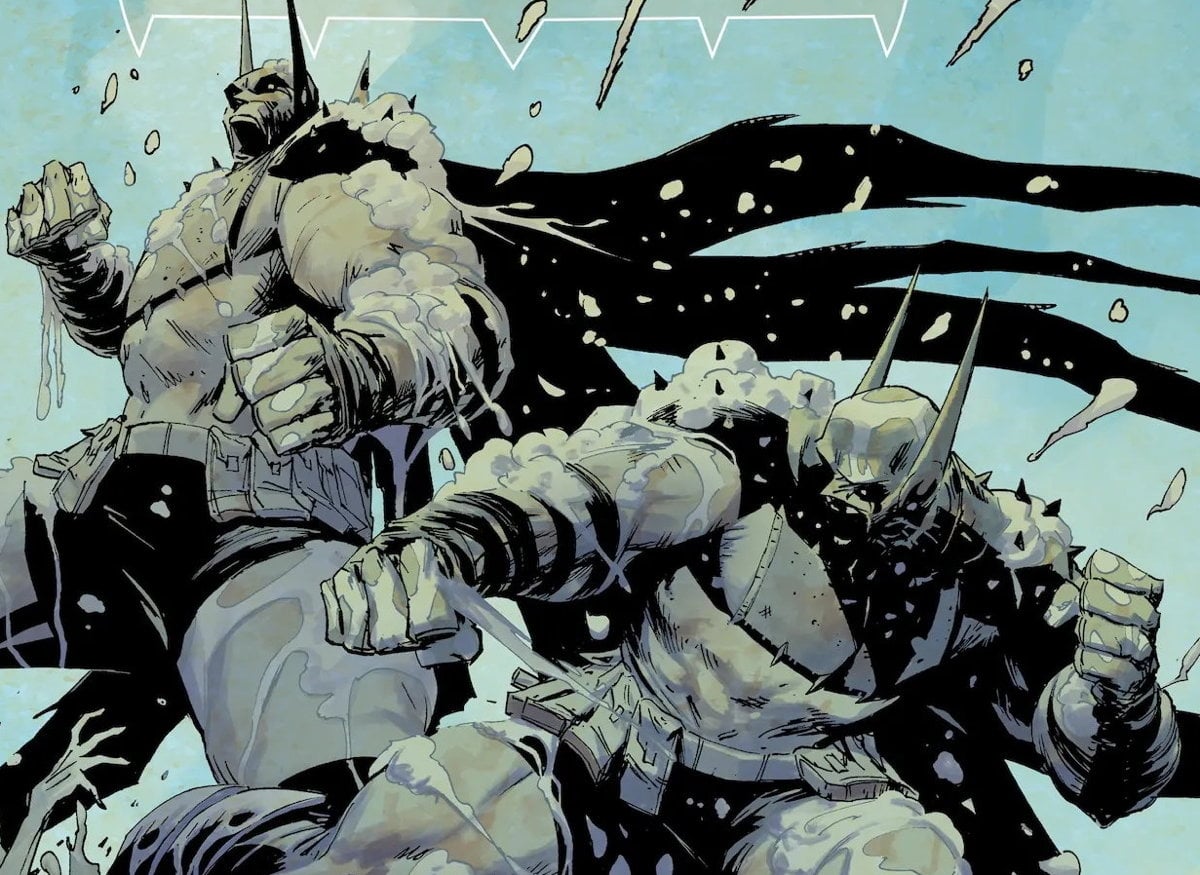
Look Who’s Talking shows why a popular comic premise cannot automatically be expanded. The adaptation had a recognizable title and an instantly understandable hook, but those advantages could not solve the larger question of what the show would become after the first episode.
3. Beverly Hills Cop
Beverly Hills Cop is one of the clearest examples of a movie brand whose success depended heavily on its original combination of character, setting, and performance. The story’s appeal comes from placing an energetic outsider in an environment governed by different rules, then allowing the tension between those worlds to generate both action and comedy.
Advertisement

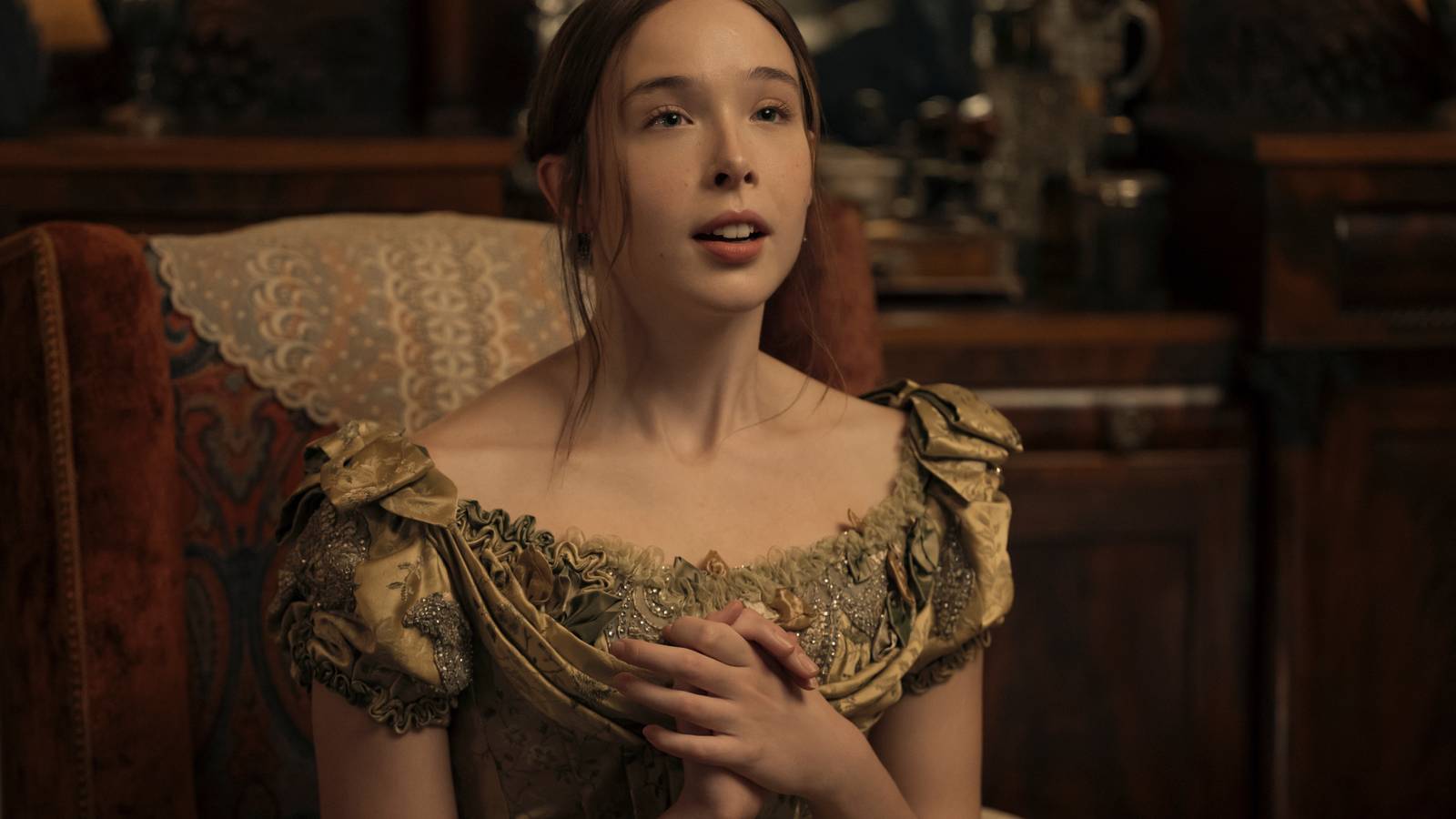

A television version would need to recreate that contrast while providing a durable reason for the central character to remain involved in new cases. The pilot could borrow the title, the setting, and the broad police-comedy framework, but those elements alone do not reproduce the chemistry that made the movie distinctive. A television adaptation has to establish its own rhythm rather than simply repeat the structure of the film.
The failed Beverly Hills Cop pilot is worth remembering because it shows how difficult it can be to continue a franchise when audiences associate it strongly with one particular screen presence. A movie character may feel inseparable from the actor who defined the role. Once that performance is removed or substantially changed, even a familiar premise can feel like an imitation rather than a continuation.
There is also a question of scale. A feature film can build toward a major confrontation and use its running time to create a concentrated comic rhythm. A series must distribute its energy across multiple episodes. It needs supporting characters, recurring conflicts, and cases that do not feel like smaller copies of the original adventure. Beverly Hills Cop had the name recognition to attract curiosity, but the pilot still had to prove that the franchise could function as television rather than merely revisit a successful movie.
Advertisement


2. Darkman’s place in the television experiment
The difficulty of ranking failed pilots is that different projects fail for different reasons. Some are defeated by a mismatch between the original movie’s tone and the demands of episodic storytelling. Others struggle because the property is too dependent on a star, a particular visual style, or a one-time narrative surprise. That distinction makes Darkman and Beverly Hills Cop useful contrasts, even when they share the same broad problem: the need to transform a finished movie idea into an ongoing format.
Darkman’s challenge is expansion. Its defining premise has to support repeated adventures without becoming ordinary. Beverly Hills Cop’s challenge is continuity. Its central appeal has to survive outside the specific chemistry and momentum of the original film. Both projects demonstrate that a pilot is not merely a condensed movie. It is a promise about future episodes, and that promise must be convincing on its own.
Advertisement
For that reason, the ranking of these pilots can be understood as a ranking of adaptation problems as much as a ranking of individual attempts. The more a project reveals about the difficulty of television storytelling, the more memorable its failure becomes. A pilot may not work as a series, but it can still serve as a useful case study in what makes a movie concept expandable—or resistant to expansion.
1. Zombieland
Zombieland is perhaps the most immediately recognizable example of a movie being asked to become a television show. The film’s appeal comes from a mix of horror, comedy, distinctive character types, and a playful approach to the rules of surviving a zombie outbreak. That combination seems naturally adaptable. A television series could introduce new threats, new locations, and new survival rules while keeping the basic premise intact.
Advertisement

Yet the same qualities that make Zombieland entertaining also make it difficult to reproduce. The movie depends on the chemistry among its characters and on the surprise of its comedic perspective. The audience is not only watching people avoid the undead; it is watching a specific group develop an unlikely bond while treating catastrophe with an irreverent sense of humor. If the cast dynamic changes, the emotional center changes with it.
The Zombieland pilot is particularly notable because it arrived at a time when television and streaming were increasingly interested in recognizable film properties. A familiar title could attract viewers to a new platform or service, but recognition also created immediate expectations. Audiences knew what kind of tone they wanted from Zombieland. A version that was too serious would miss the point, while one that copied the movie too closely could seem unnecessary.
The project also faced the basic problem of a post-apocalyptic setting. Zombie stories can generate endless danger, but danger alone is not enough. The show needs a reason for its characters to keep moving, relationships that can change, and a balance between comedy and genuine risk. The movie establishes that balance over a limited period. A series has to maintain it repeatedly without exhausting the joke or reducing the characters to fixed personality traits.
Advertisement
Zombieland ranks first because it offers the clearest illustration of both the opportunity and the danger in adapting a movie for television. Its world appears expandable, but its personality is unusually specific. The failed pilot remains worth remembering not simply as an unsuccessful attempt, but as evidence that a broad premise and a strong movie identity are not the same thing.
These five projects point to a larger truth about franchise entertainment. A successful film can provide valuable ingredients for a television series, but it cannot provide the entire recipe. Television requires a continuing engine, a flexible ensemble, and a clear understanding of what viewers are returning to see. Sometimes the answer is a world that can grow beyond the original story. Sometimes it is a new interpretation of a familiar character. In other cases, the movie works precisely because it ends.
Failed pilots are often treated as disposable pieces of development history, but they can be more revealing than successful adaptations. A finished series shows that a concept found a workable form. An abandoned pilot exposes the point where the concept, the format, and the audience’s expectations failed to align. That makes these projects valuable reminders that no title, however familiar, can guarantee a second life on television.
Advertisement
