How Much Did a Movie Ticket Cost the Year You Were Born?
Movie-ticket prices offer a surprisingly personal way to explore the changing cost of going to the cinema, from one generation to the next.
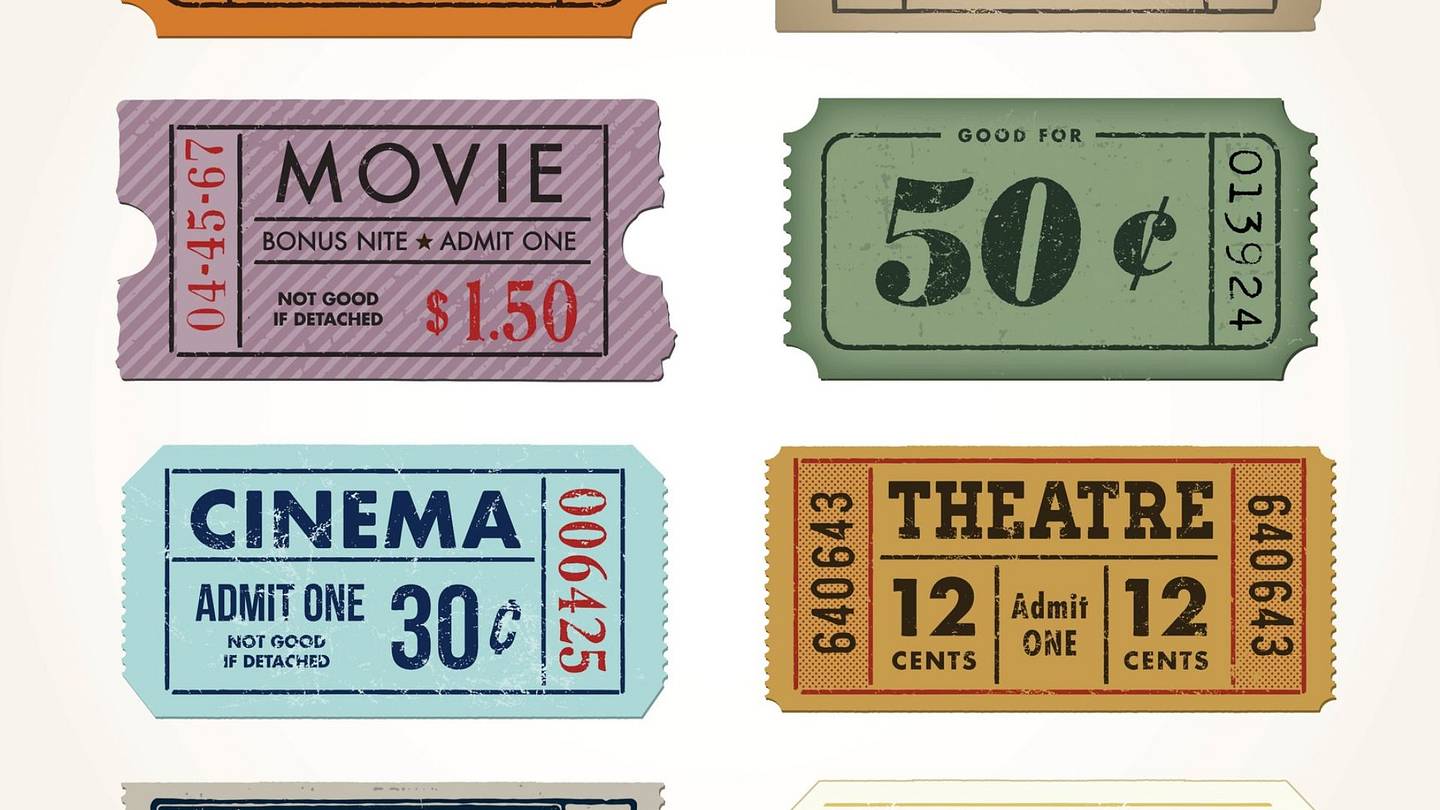
A trip to the movies can feel timeless. The lights go down, the previews begin, and the audience settles in for the same basic ritual that has welcomed filmgoers for generations. Yet the price of taking part in that ritual has changed repeatedly over the years. A ticket that once seemed ordinary can look astonishingly inexpensive today, while the cost of a current admission may feel steep to anyone remembering an earlier era.
That is what makes a year-by-year look at movie-ticket prices so appealing. Instead of treating the cost of a ticket as an abstract economic figure, the comparison turns it into a personal detail. Find the year you were born, look up the average price associated with that year, and the result becomes a small piece of cultural history. It offers a quick way to place your arrival in the world alongside the changing business of American moviegoing.
The figures are also a reminder that a ticket price is never just a ticket price. It reflects the kind of theaters people visited, the films audiences wanted to see, the technology exhibitors were using, and the broader economy surrounding the entertainment industry. The number printed on a ticket tells only part of the story, but it can open the door to a much larger one.



At first glance, comparing ticket prices across decades seems simple. Pick a year, find its average admission price, and compare it with another year. In practice, the comparison needs some care. A national average is a useful guide, but it does not describe every theater or every customer. Prices can differ by location, theater type, seating arrangement, screening format, and the popularity of a particular release.
Someone watching a film at a neighborhood cinema might have paid a different amount from someone attending a large downtown theater. A special presentation could cost more than a standard screening, just as a matinee could be cheaper than an evening show. The year-by-year figures therefore work best as a broad snapshot rather than a promise that every person paid exactly the same amount.
Even with those limits, the numbers reveal how the moviegoing experience has evolved. Earlier generations often encountered a simpler pricing structure. The basic admission was more closely tied to the idea of entering a theater and watching a program. Over time, the industry introduced more distinctions, allowing theaters to charge different amounts for different times, formats, seats, and types of presentation.


That shift changed the meaning of an “average” ticket. A single figure may combine inexpensive admissions with premium purchases. It may reflect the growing presence of large multiplexes, more elaborate auditoriums, and screenings designed to offer something beyond a standard presentation. The average remains useful, but it should be read as a marker of a changing marketplace rather than as a complete description of a night at the movies.
Inflation is another important part of the conversation. A price from the past can look tiny when it is placed next to a modern ticket, but the raw numbers do not measure purchasing power. The amount people paid in an earlier year had a different relationship to wages, household budgets, transportation, and other everyday expenses. A direct dollar comparison can show how the price changed, but it cannot by itself show how affordable the experience felt.
This distinction helps explain why memories of cheap movies can be both accurate and incomplete. A person may remember paying a modest amount for admission, yet that price still represented a meaningful expense at the time. Conversely, a modern ticket may be more expensive in absolute terms while also being part of a different entertainment budget. Looking at historical prices is most revealing when the figures are treated as evidence of changing circumstances, not as a simple contest between the past and the present.


The movie itself has always been only one part of the cost of going out. Audiences may also pay for transportation, parking, food, drinks, and time away from other responsibilities. As theaters have developed more elaborate concessions and upgraded presentation options, the total price of a cinema visit can extend well beyond the admission shown in a historical average.
That is one reason an old ticket price can trigger such strong reactions. It brings back an entire outing, not merely an amount of money. The memory may include a family choosing a weekend film, friends meeting after school, or someone buying a ticket for a first date. The admission price becomes attached to the atmosphere of the theater and the people who were there, which gives a dry economic statistic an unexpectedly personal quality.
Movie tickets also track changes in the way films are presented. Theaters have continually adjusted their offerings to persuade audiences that seeing a film on a big screen is worth the trip. Improvements in sound, picture quality, seating, and auditorium design have all influenced what customers expect from the experience. When a theater offers a more specialized or immersive presentation, the price may reflect that additional service.


At the same time, the basic appeal of the theatrical outing has remained remarkably recognizable. People still gather in a shared space, surrender their attention to a story, and react alongside strangers. Ticket prices may rise, fall, or separate into several categories, but the central exchange remains familiar: admission buys access to a communal viewing experience for a limited period.
The year-by-year comparison can also serve as a reminder that movie theaters have had to respond to competition from other forms of entertainment. Home viewing, broadcast programming, physical media, and digital services have all changed the way audiences decide where and when to watch a film. The theater has answered by emphasizing the features that are hardest to reproduce at home, including scale, presentation, and the social energy of a full audience.
Those pressures make the history of ticket prices more complicated than a steady upward line. The industry does not operate in a vacuum. Attendance patterns, the strength of a film slate, local competition, and changing audience expectations can all influence the price people encounter. A year with a memorable collection of popular releases may feel different from a year in which audiences had fewer reasons to make a special trip.


There is also a generational dimension to the numbers. People often measure the cost of entertainment against the first prices they remember. One generation may think of a movie as a routine, affordable outing, while another may regard it as an occasional treat that requires planning. Neither reaction is universal, but the contrast shows how strongly personal history shapes the way ticket prices are understood.
For someone born in an earlier period, the corresponding figure can place childhood memories in context. For someone born more recently, it can show how quickly the business has changed during a relatively short lifetime. The exercise does not say exactly what a family paid or which theater they visited. Instead, it supplies a starting point for asking better questions about how entertainment fit into daily life during a particular year.
It is worth remembering that an average cannot capture every kind of moviegoing. A person could have encountered a different price at a drive-in, a discount screening, a luxury venue, or a theater in another part of the country. The supplied year-by-year reference is best understood as a general guide. Its value comes from making broad changes visible, not from replacing the details of individual experience.


Those details are often what make the comparison fun. Readers may discover that the figure associated with their birth year is lower than expected, or they may be surprised by how close it seems to a price they remember paying much later. Some will use the number as a conversation starter with parents, grandparents, or older friends. Others may compare it with the price of a ticket today and consider what has been gained, lost, or simply changed.
A ticket price can even become a compact lesson in nostalgia. Looking backward tends to smooth away inconvenience and preserve the parts people miss: the excitement of choosing a film, the display outside the theater, or the feeling of being among an audience. The historical figure does not prove that the past was better. It gives those memories a concrete detail, allowing people to connect an emotional recollection with a documented measure.
The comparison is equally useful for understanding the present. A modern admission may seem expensive when viewed alone, but placing it within a longer history shows that the cinema has repeatedly reinvented its pricing and presentation. Today’s customers are participating in the latest version of an experience that has never stood still. The details change, but the industry continues to negotiate the same question: what will persuade audiences to leave home and watch a movie in a theater?


That question has no single answer. For some viewers, it is the size of the screen. For others, it is the sound, the comfort of the auditorium, the excitement of an opening weekend, or the pleasure of laughing and reacting with a crowd. A historical ticket-price guide cannot measure those feelings, but it can show the financial framework around them.
Ultimately, the appeal of finding the cost of a movie ticket in the year you were born lies in its simplicity. It takes a familiar personal detail and links it to a larger story about culture, technology, economics, and memory. The result is not a complete history of moviegoing, and it should not be read as a precise record of what every theater charged. It is something more approachable: a snapshot that invites curiosity.
Whether the number seems astonishingly low, unexpectedly high, or close to what you imagined, it offers a new way to look at the moviegoing tradition. Behind every average are audiences making choices, theaters adapting to new expectations, and films competing for a place in people’s free time. The next time you buy a ticket, you may think not only about the film ahead, but also about the long chain of moviegoers who paid for that same privilege in the years before you.