10 Dark Fantasy Movies That Remain Spellbinding From Beginning to End
From Ingmar Bergman’s The Seventh Seal to Guillermo del Toro’s Pan’s Labyrinth, these dark fantasy films balance haunting imagery, powerful storytelling, and unforgettable atmosphere.

Dark fantasy works best when it refuses to choose between wonder and fear. The genre can offer enchanted forests, ancient prophecies, legendary warriors, and impossible creatures, but it gives each marvelous element a shadow. Its worlds are beautiful without feeling safe, and its heroes often have to confront grief, violence, corruption, or the limits of their own courage.
That balance is difficult to sustain. A dark fantasy movie may begin with a striking idea and then lose its atmosphere, or build an impressive world around a story that never develops beyond its visuals. The films that truly endure do something more demanding: they make every part of the experience feel connected. Their settings, characters, themes, and imagery all serve the same vision.
The following ten movies represent that rare standard. Some are grand adventures, some are intimate nightmares, and others blur the line between history, myth, and imagination. What they share is remarkable consistency. Each establishes its mood quickly, understands the kind of story it wants to tell, and carries that vision through to the final frame.



The Seventh Seal
Ingmar Bergman’s The Seventh Seal is one of cinema’s most famous encounters between an ordinary human being and an embodiment of death. A medieval knight returns from the Crusades to a country ravaged by plague, only to discover that his faith, his purpose, and his sense of certainty have all been shaken. Death arrives for him, but the knight challenges the figure to a game of chess, hoping to delay the inevitable.
The premise sounds like a parable, and Bergman embraces that quality without allowing the film to become cold or abstract. The chess match gives the story a clear dramatic structure, while the journey around it fills the movie with humor, fear, tenderness, and moral uncertainty. The stark black-and-white imagery creates a world that feels both physically real and strangely timeless.

What makes The Seventh Seal so complete is its refusal to treat despair as the only serious response to suffering. The knight is haunted by questions he cannot answer, yet the people he meets continue to create, love, perform, and care for one another. The film’s darkness is profound, but it leaves room for small acts of kindness to feel genuinely significant.
Pan’s Labyrinth
Guillermo del Toro’s Pan’s Labyrinth moves between the violence of postwar Spain and a fantastical realm populated by ancient creatures. At the center is Ofelia, a young girl who discovers a mysterious labyrinth and is given a series of tasks by a faun. The fantasy world offers escape, but it is not a simple refuge. It has rules, dangers, and demands of its own.


The film’s power comes from the way its two worlds reflect each other. The cruelty of the adult world is often more frightening than the monsters, while the fantasy sequences give shape to feelings that cannot easily be spoken aloud. Del Toro does not use imagination to erase reality. Instead, he shows how stories can help a child understand brutality, disobedience, and sacrifice.
Every major image has emotional weight, from the labyrinth itself to the film’s unsettling creatures. The result is a dark fairy tale that feels carefully controlled from its opening moments to its devastating conclusion. Pan’s Labyrinth is visually extraordinary, but its lasting impact comes from the sincerity of its emotional core.
Conan the Barbarian

John Milius’s Conan the Barbarian presents a world of harsh landscapes, ancient religions, brutal combat, and larger-than-life ambition. The story follows Conan from childhood trauma through enslavement and training to his emergence as a warrior capable of challenging the forces that destroyed his family. It is a sweeping journey, but the movie gives its hero a simple and powerful emotional foundation: the desire for freedom and revenge.
The film understands that dark fantasy needs more than action. Its ruined temples, vast deserts, and shadowy fortresses feel like remnants of an older civilization, places where myth has hardened into stone. The music and imagery contribute to a sense of legend, making the adventure feel like a tale passed down through generations rather than a conventional modern action story.
Conan the Barbarian is unapologetically grand, yet it remains focused. Its visual scale never completely overwhelms the central character, and its violence is tied to the world’s brutal moral logic. The movie’s momentum comes from a steady movement toward confrontation, but its atmosphere comes from the sense that Conan is walking through a dying age.

The Dark Crystal
The Dark Crystal is an unusual achievement in fantasy filmmaking because it builds an entire mythology through puppetry, production design, and atmosphere rather than relying on familiar human stars. Its world is filled with strange species, ancient rivalries, decaying landscapes, and creatures that seem to belong to a dream remembered imperfectly.
At first, the movie can feel alienating. Its characters do not behave like conventional human heroes, and its setting offers little comfort. That unfamiliarity is part of its appeal. The film asks viewers to accept a world with its own history and spiritual logic, then gradually reveals how its conflicts are connected.

The story follows a young being who must repair a broken object and restore balance to a damaged world. The quest is straightforward, but the film’s visual imagination gives it unusual depth. The villains are grotesque, the landscapes are often desolate, and the sense of wonder is inseparable from sadness. The Dark Crystal remains memorable because it takes fantasy seriously without making it feel ordinary.
The Company of Wolves
The Company of Wolves turns the familiar imagery of Little Red Riding Hood into a surreal meditation on desire, fear, and transformation. Rather than presenting a single clean narrative, the film creates a series of stories within stories, allowing dreams, folklore, and waking life to overlap.

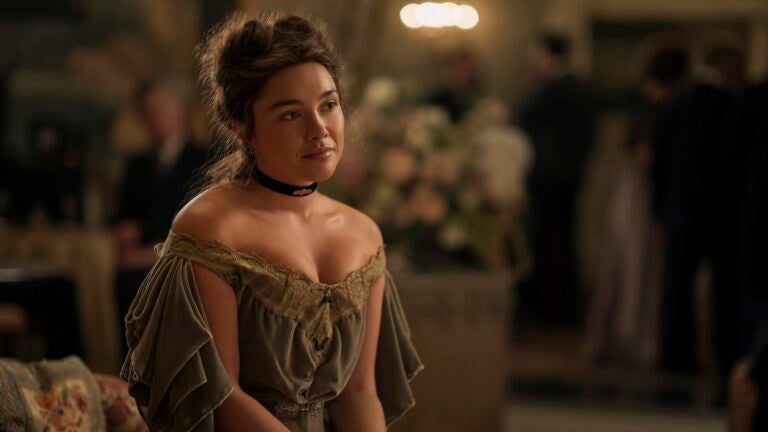
Its woodland setting is not a charming fairy-tale forest. It is a place of temptation and danger, where the rules of civilization seem fragile. Wolves represent violence, sexuality, and the fear of the unknown, but the film is too strange and psychologically rich to reduce them to a single meaning.
The movie’s unusual structure may not appeal to viewers looking for a conventional adventure, but it is remarkably faithful to its own dreamlike personality. Its imagery is theatrical, its tone is unsettling, and its transformations feel like expressions of buried anxieties. The Company of Wolves succeeds because it does not soften the disturbing elements of the fairy tales it reimagines.
Sleepy Hollow

Tim Burton’s Sleepy Hollow combines detective fiction, gothic horror, and period fantasy in a story about a skeptical investigator confronted by a legend that may be real. Ichabod Crane arrives in a small community to investigate a series of murders attributed to a headless horseman, but the town’s secrets prove more complicated than a simple ghost story.
The film’s setting is one of its greatest strengths. The village is wrapped in fog, surrounded by dark woods, and haunted by memories that refuse to stay buried. Burton uses exaggerated production design and rich, autumnal colors to make the world feel like an illustrated nightmare. Even the moments of humor fit the movie’s atmosphere rather than weakening it.
Sleepy Hollow also understands that gothic fantasy needs emotional history. The supernatural threat is connected to old violence, hidden desire, and the consequences of people trying to control one another. The mystery remains entertaining, but the movie’s real pleasure lies in its visual unity. From its first ominous arrival to its final confrontation, it feels like a complete dark fairy tale.

The Green Knight
David Lowery’s The Green Knight approaches Arthurian legend as a meditation on fear, reputation, and mortality. Gawain, a young man at King Arthur’s court, accepts a strange challenge from a mysterious green figure. The agreement appears simple, but fulfilling it requires Gawain to travel through a landscape filled with uncertainty and moral tests.
This is not a traditional heroic quest. Gawain is not presented as a finished champion, and many of his decisions reveal vanity or cowardice. The journey matters because it forces him to imagine the consequences of becoming the kind of man he claims he wants to be. The film’s supernatural events are often ambiguous, but their emotional meaning is clear.
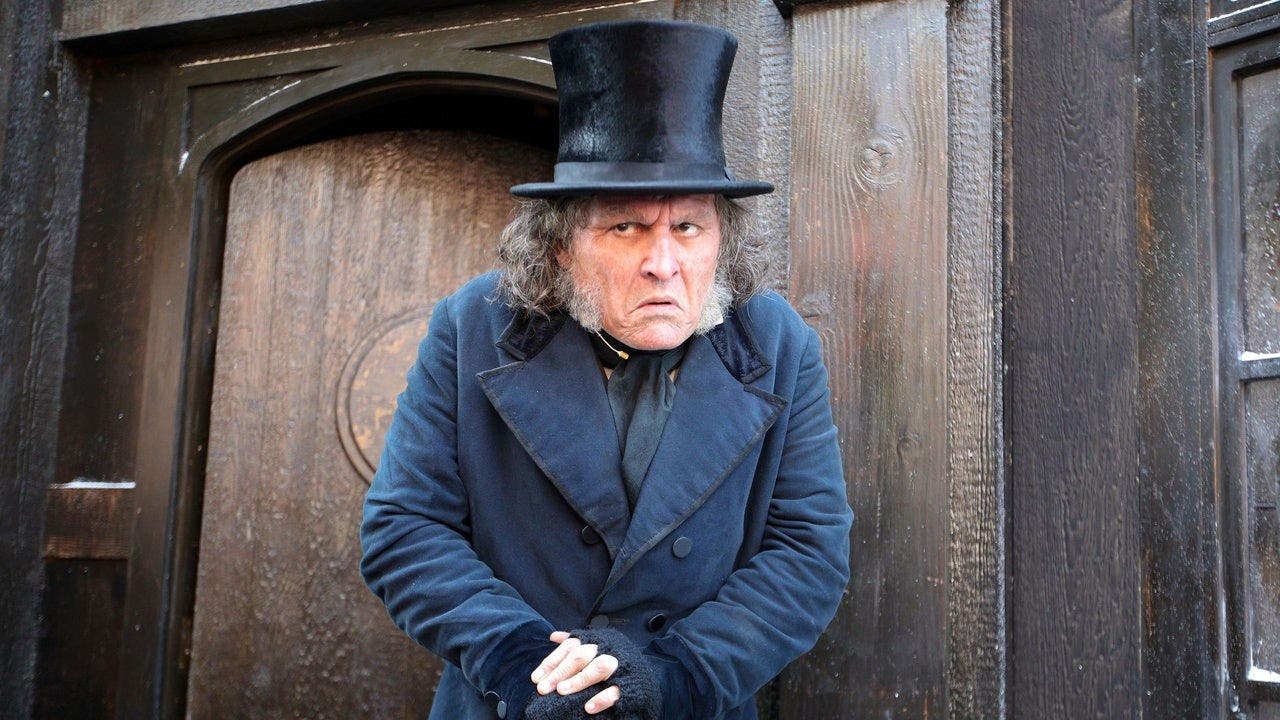

The Green Knight moves at a deliberate pace, giving its landscapes and silences room to create tension. Its forests, castles, and winter roads feel both historical and dreamlike. By the ending, the movie has transformed an old legend into a quiet, unsettling examination of what courage means when no one is watching.
The Witch
Robert Eggers’s The Witch confines its story to a deeply isolated family living on the edge of a forest. Religious devotion, suspicion, and fear gradually turn the household against itself. The surrounding wilderness seems to contain a supernatural presence, but the family’s rigid beliefs also make it difficult to determine where external evil ends and internal repression begins.

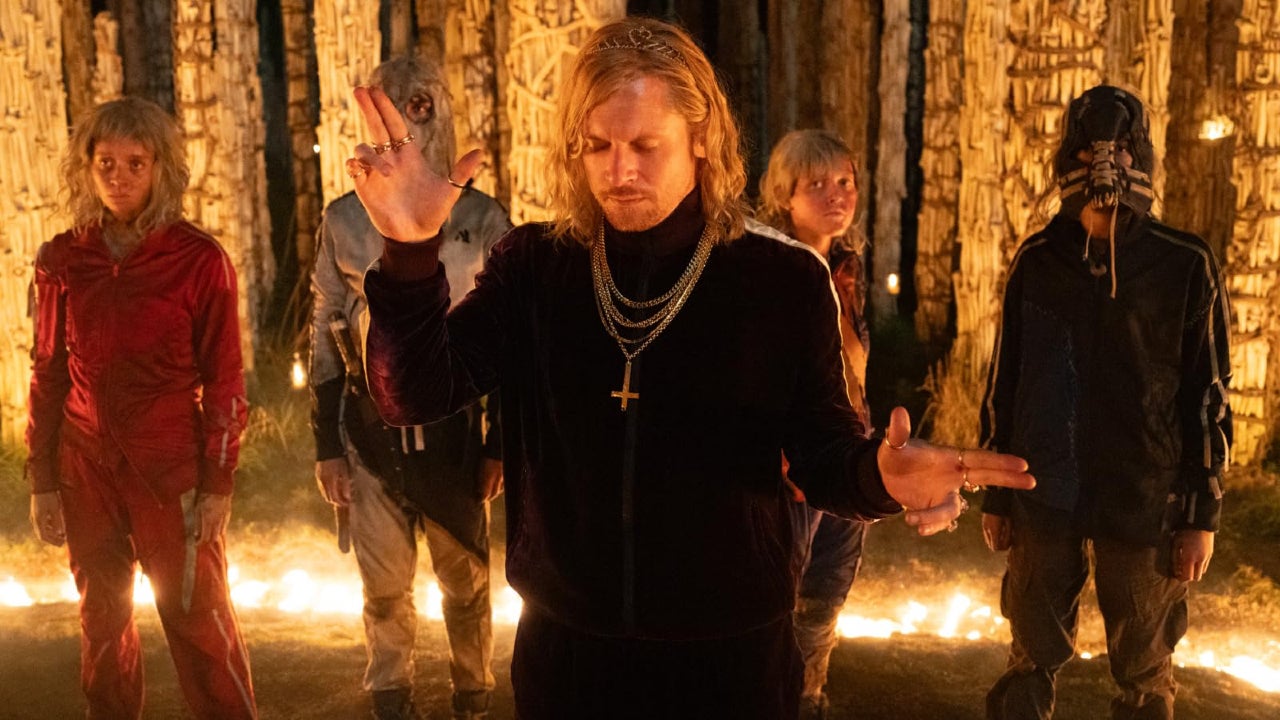
The movie’s slow pace is essential to its effect. Everyday arguments, religious rituals, and small disturbances accumulate until the family’s world feels impossible to escape. The period setting is not decorative; it shapes the characters’ understanding of sin, punishment, and temptation.
The Witch is frightening because it treats its characters’ fears as sincere. No one can simply dismiss the supernatural as a misunderstanding, and no one can easily trust the people closest to them. The film maintains that pressure with extraordinary discipline, building toward an ending that is shocking precisely because it feels like the logical result of everything that came before.
The Northman

The Northman brings the structure of a legendary revenge saga to a brutal, mystical world of Viking warfare. Its central character grows up with a promise to avenge his murdered father and rescue his mother, but the passage of time does not make the vow simpler. It turns revenge into an identity that threatens to consume every other possibility.
The film’s supernatural elements are woven into its physical world. Visions, rituals, prophecies, and encounters with uncanny figures exist beside mud, blood, cold, and exhaustion. The result is a fantasy that feels rooted in ancient belief rather than modern explanations.
What makes The Northman so effective is its attention to consequence. Violence can create power, but it cannot restore the past. The movie delivers spectacle and combat while remaining interested in the emotional cost of living according to a story inherited from others. Its grim atmosphere and mythic structure stay aligned all the way through its final act.

The Last Unicorn
The Last Unicorn may be animated, but its story carries the melancholy and moral complexity associated with the darkest forms of fantasy. A unicorn leaves the safety of her forest after learning that she may be the last of her kind. Her search leads her through a world where magic is fading, beauty is treated as property, and even happy endings come with a price.
The film’s hand-drawn imagery gives it a gentle surface, yet its themes are surprisingly mature. Characters confront loneliness, mortality, regret, and the knowledge that some transformations cannot be undone. The story also treats wonder as something vulnerable rather than guaranteed.

Its emotional power comes from contrast. The movie can be playful and colorful in one moment, then quietly heartbreaking in the next. It never abandons its central sense of mystery, and it trusts the audience to understand that a fantasy ending does not have to erase loss. The Last Unicorn remains a graceful example of how darkness and beauty can occupy the same story.
These films differ in setting, style, and scale, but they share a commitment to atmosphere and consequence. Their fantastic elements are not empty decoration. Monsters embody fear, quests expose character, and enchanted places reveal truths that ordinary reality keeps hidden.
That is why the best dark fantasy movies feel complete from beginning to end. They establish a distinct world, understand the emotional cost of entering it, and carry their ideas through without losing their sense of mystery. Whether they end in tragedy, transformation, or a fragile form of hope, they leave behind the feeling that the journey was shaped with purpose.
