When Does a Bad Movie Become So Bad It’s Good?
The line between an unbearable film and an entertaining disaster is shaped by intention, energy, audience expectations and the strange pleasure of watching cinema lose control.

There are bad movies, and then there are bad movies. The sentence sounds circular, but anyone who has spent an evening watching an awkward, overblown or deeply misguided film knows the distinction is real. One kind of bad movie is simply a chore. It drags, collapses under its own story and leaves viewers checking the clock. The other kind may be just as flawed, yet somehow becomes an event. People laugh at the dialogue, marvel at the strange decisions and keep watching because the failure is more fascinating than success might have been.
That is the puzzle behind the phrase “so bad it’s good.” It does not mean every weak movie deserves a second chance, and it does not turn poor craftsmanship into excellence. Instead, it describes a different type of viewing experience: one in which a film’s mistakes, excesses or confused ambitions create entertainment of their own. The audience is no longer watching only to follow the plot. It is watching to discover what will go wrong next.
The boundary is difficult to define because “bad” is not a single quality. A film can be technically rough but emotionally sincere. It can be expensive yet lifeless. It can have an implausible story but excellent timing. It can be made with serious intentions and still produce unintentional comedy. Viewers respond to those qualities differently, which is why one person’s treasured midnight movie may be another person’s unbearable waste of time.



A straightforwardly bad movie usually fails to generate curiosity. Its problems are familiar and predictable: the characters are thin, the pacing is sluggish, the dialogue explains what the audience already understands, or the central conflict never feels important. When those weaknesses combine, the film creates no useful tension. Viewers are not eager to see the next scene; they are simply waiting for the current one to end.
A movie can be clumsy and still hold attention if it has a strong personality. That personality may come from an unusually serious performance, a wildly unsuitable visual choice, an ambitious premise or a tone that changes without warning. The film begins to feel less like a routine failure and more like a series of bold decisions that did not land. The pleasure comes from the gap between what the filmmakers appear to have intended and what appears on the screen.
Intent matters, although it is not everything. Some movies are designed to be outrageous. They exaggerate their violence, embrace absurd dialogue or deliberately push their plots beyond reason. Those films are not necessarily “so bad they’re good,” because their excess may be the point. The more interesting cases are often unintentional. The filmmakers seem to be presenting a serious thriller, romance or adventure, while the audience encounters something unexpectedly comic.



That unexpected quality can produce a special kind of laughter. Viewers are not laughing only at a joke. They may be responding to an emotional speech that is far more dramatic than the scene requires, a plot twist that solves one problem by creating three more, or a performance delivered with such absolute conviction that it becomes startling. The laughter is mixed with amazement. The question is no longer whether the movie works, but how it arrived at this particular moment.
Energy is often more important than competence. A polished but dull film may disappear from memory quickly, while a chaotic production can remain vivid for years. Energy can come from rapid pacing, extravagant production choices, unusual acting or a story that refuses to behave sensibly. Even when those elements are unsuccessful, they may keep the experience alive. A viewer can forgive a great deal when a movie is never boring.
That does not mean that all wild choices are entertaining. Randomness without momentum can be exhausting. A film that piles one strange scene on top of another without building any rhythm may feel less like a spectacle and more like unfinished work. For a bad movie to become enjoyable, its failures usually need to form a pattern. The audience starts to recognize the film’s peculiar logic, even if that logic was never intended. Once that happens, anticipation takes over.


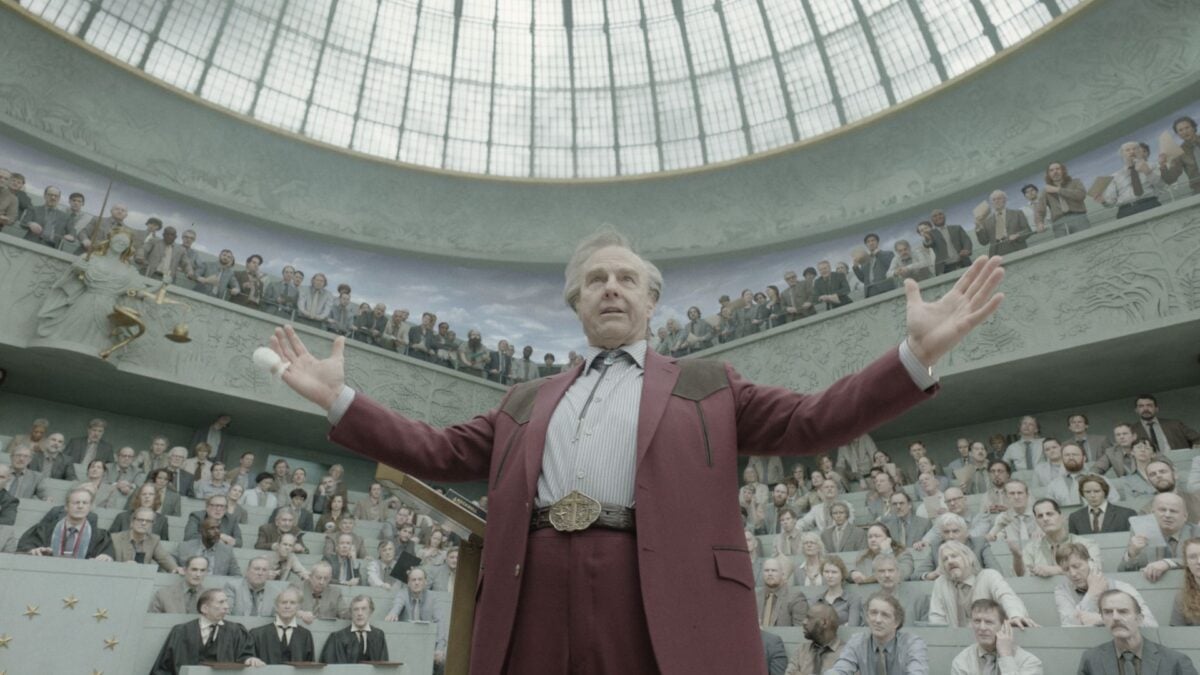
Audience expectations also play a major role. A movie watched alone on an ordinary afternoon may seem merely poor. The same movie watched with friends can become a communal performance. People repeat the dialogue, predict the next mistake and compete to identify the most astonishing moment. The group is not passively consuming the film; it is adding a second layer of entertainment around it.
This helps explain why some movies gain a following after their initial reception. A film’s first audience may judge it according to the standards it appears to set for itself. If it presents itself as a serious drama, viewers may be frustrated when the writing feels artificial or the emotional moments fail. Later audiences may approach it with different expectations. Once they understand that the experience is likely to be strange, the flaws become part of the attraction.
Context can change the entire mood of a screening. A film introduced as a masterpiece invites concentration and comparison. A film introduced as an unpredictable disaster invites alertness of another kind. Viewers begin searching for memorable choices, accidental jokes and details that can be discussed afterward. The movie becomes less a test of patience and more a shared mystery: how did anyone decide that this was the right way to tell the story?



There is also a difference between affection and mockery. Some viewers enjoy flawed movies because they sense genuine passion behind them. The production may be limited, the effects may be unconvincing and the script may wander, but the effort remains visible. That sincerity can make the film charming. Its imperfections feel human rather than calculated. The audience may laugh, but it does not necessarily want the movie to fail.
Other films inspire a harsher response because their mistakes are paired with self-importance. A movie that insists on its own brilliance while offering little evidence of it can encourage a more skeptical kind of enjoyment. The pleasure comes from watching confidence collide with execution. Even then, the response is not always simple. A film can be arrogant in one scene and oddly endearing in the next, leaving viewers unsure whether they are ridiculing it, admiring it or doing both.
The performances often determine which side of the line a movie occupies. An actor who appears disengaged can drain energy from an already weak scene. By contrast, an actor who commits completely to an implausible moment may transform it. A solemn delivery, a dramatic gesture or an intense reaction can become memorable when it exceeds the material. The performance does not repair the script, but it gives the audience something to watch.



Dialogue works in much the same way. Bad dialogue is not automatically entertaining. Flat lines and recycled expressions usually make a movie feel empty. Unintentionally memorable dialogue is different. It may be too elaborate, too blunt, too oddly phrased or disconnected from the surrounding conversation. When a line seems to belong to another movie, the mismatch can create a burst of comic energy. Viewers remember it because it feels impossible that anyone said it with a straight face.
Visual choices can produce the same effect. A costume, set, camera angle or special effect may be distracting because it clashes with the rest of the production. Yet that clash can become the film’s signature. A grand ambition expressed through limited means can be more engaging than a technically perfect image with no personality. The audience sees the idea struggling to become reality, and that struggle becomes part of the story.
Still, the phrase should not be used as an excuse for every poorly made movie. There are films whose problems involve exploitation, cruelty or a lack of care for the people represented on screen. A viewer may find moments of unintended comedy in such work, but that does not erase the larger issue. Entertainment value is not the same as artistic merit, and an audience can enjoy discussing a film while remaining clear-eyed about its failures.


The most successful “bad” movies often possess a quality that ordinary bad movies lack: they invite participation. Viewers talk back to the screen, explain the plot to one another, question the characters’ decisions and develop theories about what might happen next. The film creates an active audience because it leaves enough room for interpretation, disbelief and commentary. Its weaknesses become openings for conversation.
That participation can be especially powerful when a movie refuses to settle into one tone. A scene may appear frightening before an awkward line turns it funny. A romantic exchange may suddenly become melodramatic. An action sequence may be undermined by an obvious limitation. These shifts can be frustrating if they destroy the intended mood, but they can also produce a distinctive rhythm. The audience learns to expect instability, and instability becomes the entertainment.
Time changes the way these films are judged. A movie that once seemed merely embarrassing may become more interesting as its style, assumptions or production choices age. New viewers bring different references and expectations. They may notice qualities that earlier audiences ignored, or they may find old conventions unintentionally funny. That does not mean the movie has improved. It means the relationship between the film and its audience has changed.


There is no universal formula for crossing from bad to good. A film needs enough energy to hold attention, enough personality to distinguish it from routine incompetence and enough unpredictability to make the next scene feel worthwhile. Sincerity can help, but deliberate excess can work too. The crucial ingredient is often not quality in the traditional sense, but memorability.
Ultimately, “so bad it’s good” describes a reaction rather than an objective category. One viewer sees a disaster; another sees a priceless midnight experience. The same film can be boring on one night and hilarious on another, depending on mood, company and expectations. That instability is part of its appeal. A genuinely entertaining failure does not ask to be admired in the usual way. It asks to be watched, discussed and perhaps watched again, simply to find out whether the next mistake can possibly be stranger than the last.
And that may be the clearest dividing line. A bad movie makes viewers want their time back. A movie that is so bad it’s good makes them want to tell someone about it. The flaws remain flaws, but they have been joined by surprise, personality and a kind of accidental entertainment. In the end, the film has failed at its original task while succeeding at something no one expected: becoming impossible to forget.

