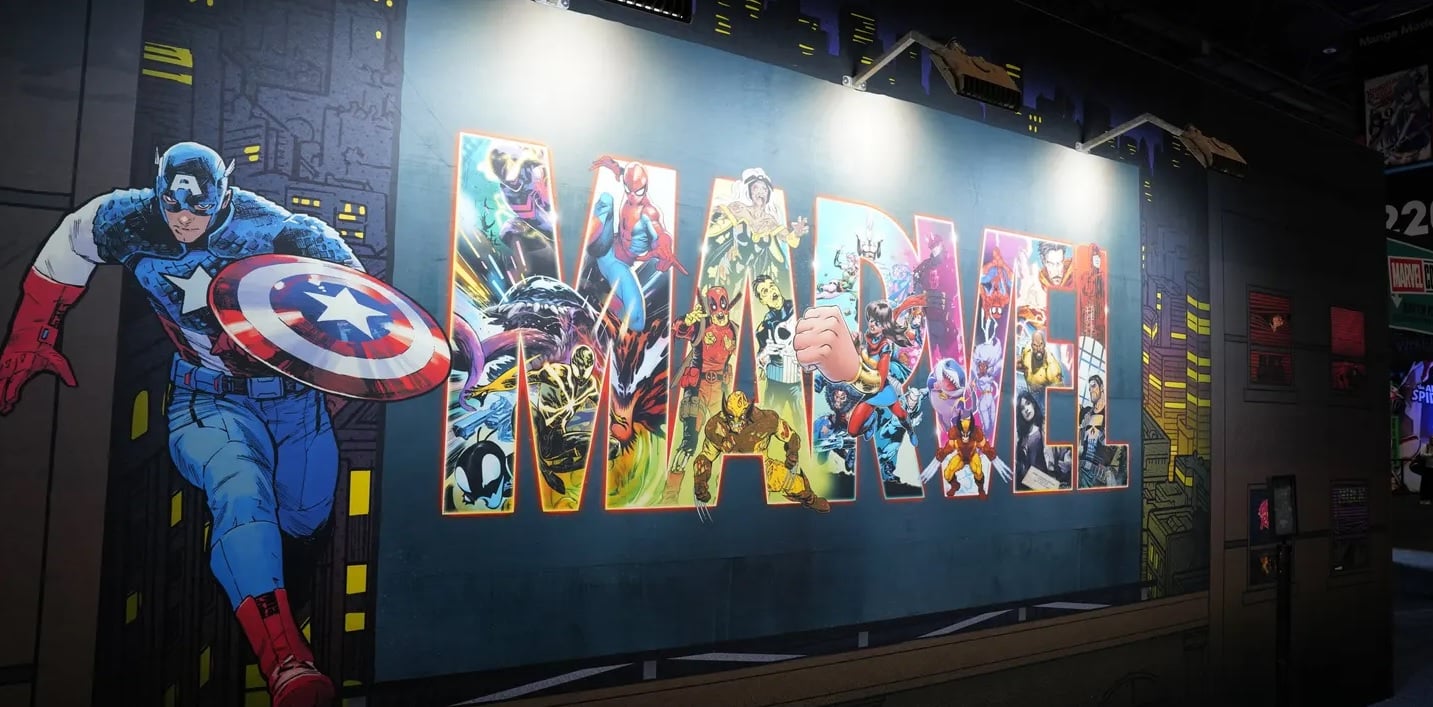
Marvel Partners with Kadokawa for New Manga Publishing Program
Marvel and Kadokawa have announced a manga-focused publishing partnership, accompanied by concept art featuring Spider-Man, Spider-Gwen, Daredevil, and the Punisher.

Marvel is joining forces with Japanese publishing company Kadokawa for a new manga publishing program, bringing four of the comic-book publisher’s best-known characters into an initiative designed around the manga format. The announcement is accompanied by concept art featuring Spider-Man, Spider-Gwen, Daredevil, and the Punisher.
The partnership represents a notable meeting between Marvel’s globally recognized superhero universe and Kadokawa’s experience in Japanese publishing. Although the announcement provides an early look at the characters involved, it does not yet disclose the full creative teams, story details, release schedule, or distribution plans for the project.
That absence of detail makes the concept art the clearest indication of the program’s direction for now. Rather than presenting a finished series or a detailed publishing calendar, Marvel and Kadokawa have introduced the initiative through its central idea: familiar Marvel heroes will be developed through a manga-oriented publishing collaboration.


For general readers, manga is the broad term commonly used for Japanese comics and graphic storytelling. Manga can encompass many different genres, tones, artistic approaches, and audience categories. A superhero story published in that tradition does not have to resemble a conventional American comic in structure or presentation. The format can offer different pacing, page design, visual rhythms, and methods of introducing characters.
Marvel’s choice of featured characters also gives the announcement a wide range of possibilities. Spider-Man brings one of the company’s most recognizable heroes to the program, while Spider-Gwen adds another dimension to the Spider-related side of Marvel’s publishing universe. Daredevil and the Punisher represent a different tonal range, with both characters traditionally associated with more grounded urban stories. The four names suggest that the program is not limited to one particular type of superhero narrative.
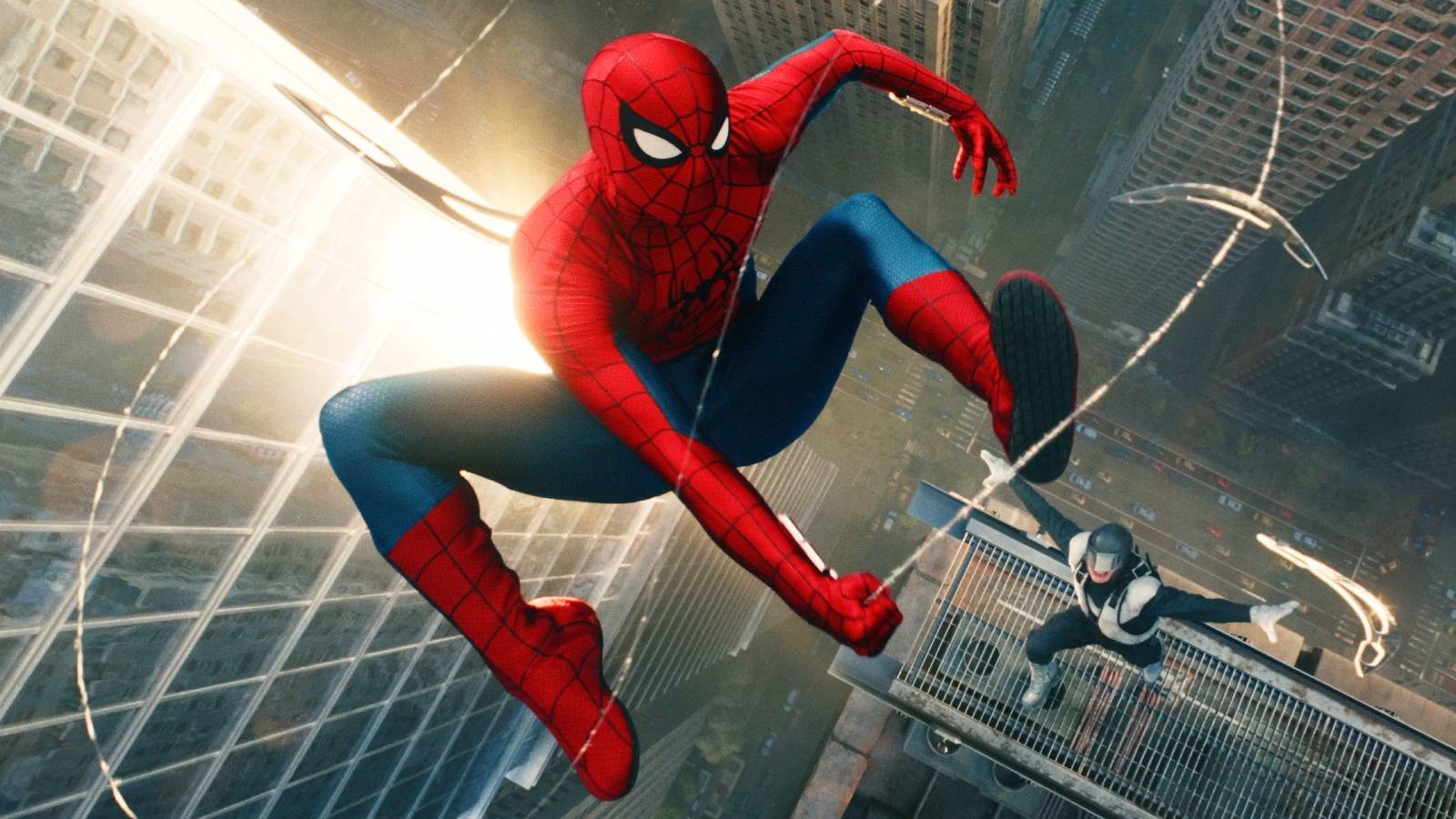
Spider-Man is among Marvel’s most widely known characters and has appeared across comics, film, television, animation, games, and merchandise. At the center of the character is the idea of an ordinary person balancing personal responsibilities with the demands of superhero life. That foundation has allowed Spider-Man stories to shift between action, humor, drama, and coming-of-age themes.

Spider-Gwen, meanwhile, is a distinct character connected to the wider Spider-Man mythology. Her presence in the concept art indicates that the program is not simply focused on Marvel’s oldest or most established heroes. Including both Spider-Man and Spider-Gwen creates room for different interpretations of the company’s spider-themed storytelling, although the announcement does not specify how either character will be used in the planned publications.
Daredevil brings another recognizable identity to the project. The character is known as a lawyer who operates as a masked vigilante in New York City. His stories often place equal weight on personal ethics, legal conflicts, physical danger, and the consequences of life as a hero. Those elements could translate into many kinds of manga storytelling, but Marvel and Kadokawa have not announced a particular premise or creative approach.
The Punisher adds yet another contrast. Unlike many Marvel heroes, the character is defined by a grim and uncompromising approach to crime and violence. His inclusion alongside Spider-Man, Spider-Gwen, and Daredevil underlines the potential breadth of the program. It also makes the eventual tone of each project an important question, particularly because no individual story descriptions have been released.

Kadokawa’s role is central to the announcement. The company is a major Japanese publisher with interests that extend across books, comics, manga, games, animation, and other forms of entertainment. A partnership with Marvel places the publisher in a position to help shape how these characters are presented within a manga publishing context. The announcement, however, does not identify which Kadokawa imprint or editorial team will handle the material.
Marvel has previously explored collaborations and adaptations that place its characters in storytelling traditions outside the standard American superhero comic. Such projects can introduce established properties to new audiences while allowing creators to experiment with visual language and narrative structure. The Kadokawa program appears to continue that broad interest in cross-market publishing, but its precise relationship to Marvel’s existing comic continuity has not been explained.
Continuity is likely to be one of the questions readers ask as more information becomes available. Marvel characters often exist across multiple timelines, universes, adaptations, and publishing lines. A manga project can be connected to a larger continuity, operate as an independent interpretation, or use familiar characters in a new setting. At this stage, there is no confirmed information about which approach the Kadokawa program will take.


The same uncertainty applies to the format of the planned releases. The announcement does not say whether the program will consist of one ongoing series, several separate manga titles, short stories, collected volumes, or another form of publication. It also does not provide page counts, publication frequency, language editions, or a launch date. Those decisions could significantly influence how readers experience the project.
Creative credits are also still to come. No writers, artists, editors, or other contributors are identified in the supplied announcement. That information will be especially important because a manga project depends heavily on the individual creative voice behind it. The same character can feel very different depending on the artist’s visual approach, the writer’s sense of pacing, and the setting chosen for the story.
The early concept art nevertheless serves an important purpose. It signals that the project has moved beyond a purely abstract partnership announcement and gives audiences a first visual point of reference. Art featuring the four characters allows readers to understand which parts of Marvel’s catalog are being brought into the program, even while the stories themselves remain undisclosed.



For Marvel, the collaboration offers a way to place some of its most recognizable heroes within a Japanese publishing environment. For Kadokawa, the project connects its manga expertise with characters already known to audiences around the world. The arrangement may therefore appeal to two groups at once: readers who already follow Marvel and manga readers who are curious to see how these characters are reinterpreted.
The choice of four characters also avoids making the initiative feel like a single-character experiment. Spider-Man and Spider-Gwen provide a connection to one of Marvel’s most expansive corners, while Daredevil and the Punisher bring street-level identities with different emotional and thematic associations. Whether those characters will appear in separate stories or a connected publishing effort remains unknown.
Readers should be careful not to treat the concept art as confirmation of plot details. The images establish the characters associated with the program, but they do not, on their own, confirm a setting, relationship, costume history, villain, supporting cast, or shared storyline. Until Marvel or Kadokawa releases additional information, those aspects remain open.

The announcement also does not establish whether the planned manga will be released exclusively in Japan or made available internationally. Marvel’s characters have a worldwide audience, but publishing agreements can vary by territory and format. Details concerning translations, digital editions, physical distribution, and local release timing have not been provided.
That information gap is normal for an early-stage publishing reveal. Companies often announce a partnership before presenting the full package of creators, synopses, preview pages, and publication dates. In this case, the program’s basic identity is clear, while many practical details remain to be announced.
What is confirmed is straightforward: Marvel and Kadokawa are working together on a manga publishing program, and the initial concept art highlights Spider-Man, Spider-Gwen, Daredevil, and the Punisher. No release date, story premise, creative roster, or format has been confirmed in the available source material.


The project’s eventual impact will depend on how confidently it combines Marvel’s character history with the creative possibilities of manga. Familiar names alone can attract attention, but the strongest cross-cultural publishing collaborations usually give creators room to make the material feel purposeful rather than merely transferring existing characters into a different package.
For now, the partnership is best understood as an early announcement and a preview of what may become a broader Marvel publishing initiative. The four featured characters offer a varied starting point, and Kadokawa’s participation gives the program a clear connection to the Japanese manga market. Further announcements will need to clarify the stories, the creators, the publishing schedule, and the intended audience.
Until those details arrive, the concept art provides the main invitation to readers: Marvel’s superhero universe is being prepared for a new manga-focused collaboration, with four very different characters positioned at its center.