The Biggest X-Men Cartoons Unite in a New Comic
Marvel is bringing its 1992 X-Men animated series and X-Men: Evolution together in a multiverse story built around crossover nostalgia.
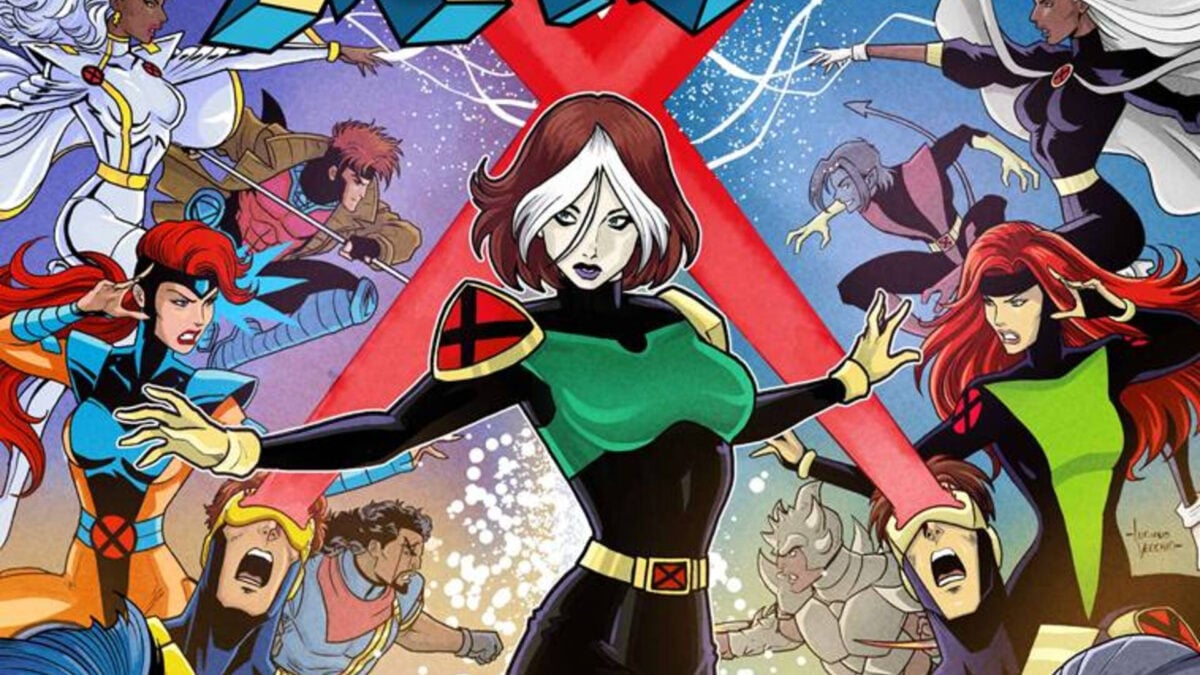
Marvel is reaching across animated history for its next X-Men crossover. A new comic will bring together the heroes associated with the 1992 X-Men cartoon and the characters from X-Men: Evolution, setting the two versions of the mutant team against one another in a multiverse story. The premise offers a meeting that fans of both shows have imagined for years: two familiar interpretations of the X-Men, shaped by different eras and different storytelling styles, finally sharing the same conflict.
The announcement is appealing for a straightforward reason. These are not simply two adaptations of the same comic-book team. They are distinct versions of the X-Men, each remembered for its own tone, character relationships and visual identity. Putting them in the same comic gives Marvel an opportunity to treat animated continuity as something worth revisiting rather than as a collection of disconnected memories. It also turns nostalgia into the engine of a new story instead of using the older shows only as references.
The 1992 series remains one of the best-known animated interpretations of Marvel's mutants. Its place in popular culture was established through its serialized approach and its commitment to the central tensions that have long defined the X-Men: fear of difference, the struggle for coexistence and the question of whether power can be used responsibly. For many viewers, this version became their first introduction to characters such as Cyclops, Wolverine, Storm, Jean Grey, Rogue and Gambit.


X-Men: Evolution offered a different path. Rather than presenting the team primarily as established heroes, the series placed greater emphasis on younger versions of the characters and the complications of adolescence. Its setting and characterization gave the familiar mutants a more contemporary coming-of-age framework. That distinction matters in a crossover, because the two teams do not merely come from separate universes; they represent different stages of the X-Men mythos and different ways of asking what it means to grow into a dangerous identity.
Marvel's new comic is described as a multiverse story in which the two groups are brought together to fight. The available information does not reveal the full plot, the identities of the forces behind the conflict or the precise circumstances that place the teams on a collision course. What is clear is the central hook: the 1992 and Evolution versions of the X-Men will not be kept apart. They will meet, and the meeting will involve a battle rather than a simple reunion.
That choice creates immediate dramatic possibilities without requiring either animated series to be rewritten. A multiverse framework allows both versions to retain their own histories and personalities. The 1992 team can remain the experienced, recognizable group associated with its original show, while the Evolution characters can remain tied to the younger, more personal perspective that defined their series. Instead of asking one continuity to replace the other, the comic can let both exist side by side.


The most obvious source of tension is also the most entertaining one: each team may believe it understands the X-Men better than the other. The older group could see the younger heroes as untested or reckless, while the Evolution team might view its counterparts as overly formal, intimidating or trapped in the expectations of another era. Even when both sides ultimately share the same goals, differences in age, experience and attitude can make cooperation difficult.
That kind of conflict is especially appropriate for the X-Men. The team has always been more interesting when its members disagree about tactics and responsibility. The characters may be united by their powers and by the threats they face, but they are rarely identical in their beliefs. A crossover between two incarnations naturally magnifies those differences. It creates room for arguments over leadership, trust and the proper use of mutant abilities while keeping the story focused on recognizable versions of beloved heroes.
The project also reflects Marvel's growing interest in its own history. Superhero franchises now operate across multiple forms of entertainment, and audiences often follow characters through comics, animation, films and games at the same time. That can make continuity complicated, but it also creates opportunities for stories that acknowledge the many versions of a character. The X-Men are particularly suited to this approach because their long history has already produced numerous adaptations, timelines and interpretations.


For readers, the appeal is not limited to seeing familiar costumes on the same page. Crossovers work when they reveal something about the characters being combined. The contrast between the two animated teams can make each one more distinct. A trait that feels ordinary within one series may look surprising when placed beside the other version. Leadership styles, friendships and rivalries can all gain new meaning when the characters encounter counterparts who made different choices or grew up under different circumstances.
The phrase “scrap it out” suggests that the comic is embracing the fun of an immediate clash rather than treating the crossover as a solemn exercise in continuity. That tone could be important. X-Men stories can carry serious themes, but the franchise has also always benefited from energetic team action and personality-driven conflict. Watching two lineups of recognizable mutants collide offers a natural spectacle, particularly when the differences between the versions are part of the entertainment.
At the same time, nostalgia alone cannot carry an entire comic. The strongest version of this idea will need to give the crossover a reason to exist beyond the excitement of recognition. The multiverse premise provides a foundation, but the story will have to make the characters matter as characters. Readers will want more than visual echoes of the cartoons. They will want conversations, disagreements and decisions that feel specific to these versions of the X-Men.


The contrast between the two shows gives Marvel plenty to work with. The 1992 team is associated with a broad, ensemble-driven vision of the X-Men, while Evolution is remembered for placing mutant life closer to the experience of young people navigating school, identity and social pressure. Those approaches can complement each other, but they can also clash. A story that allows both perspectives to remain visible could make the crossover feel like a genuine meeting of worlds rather than a character parade.
It is also notable that Marvel is using a comic to unite the animated versions. Comics are the natural meeting ground for alternate continuities because they can shift between realities without having to reproduce the production demands of an animated series. The format can preserve recognizable designs and voices in the reader's imagination while giving the characters a new setting. In that sense, the comic is not merely adapting the cartoons again; it is extending the conversation around them.
The announcement leaves several important details open. The supplied information does not identify the creative team, the comic's publication schedule, the full cast or the villain driving the conflict. It also does not explain whether the story will connect to any other Marvel multiverse projects. Those omissions mean that the crossover should be viewed first as a promising premise, not as a fully revealed event with a known ending or a confirmed place in a larger storyline.


That uncertainty may actually benefit the announcement. Fans can approach the idea with their own expectations rather than being asked to follow a long list of required connections. The core concept is easy to understand: the X-Men from one major animated era will meet the X-Men from another. Everything else can be discovered as Marvel shares more information about the comic.
There is a broader emotional reason this pairing works. Animated series often become part of a viewer's personal history. One show may be associated with childhood Saturday mornings, while another may represent a later period when the characters were encountered in a new form. Bringing those versions together lets readers revisit more than fictional continuity. It recognizes that different generations can attach themselves to the same heroes through different entry points.
That generational quality fits the X-Men better than it might fit almost any other Marvel property. The team has always been about people who feel out of place but find strength in community. Its stories pass from one generation to the next, with each adaptation adjusting the metaphor and the cast to reflect its audience. A crossover between the 1992 series and Evolution therefore carries an extra layer of meaning: it connects two audiences that may have met the X-Men at very different moments.


Whether the comic leans more heavily into action, character drama or multiverse mythology, its foundation is strong because the two versions are familiar while remaining meaningfully different. Readers already know enough about both shows to anticipate the friction. They can imagine which heroes might cooperate immediately, which personalities would collide and which friendships might become unexpectedly important. The comic has a built-in emotional vocabulary before its first page is even read.
Marvel's decision to unite these animated X-Men is ultimately a celebration of the franchise's ability to change without losing its identity. The teams may come from separate continuities, but they are still connected by the same essential ideas: belonging, responsibility, prejudice and the challenge of using extraordinary gifts in an ordinary world. Their meeting promises a playful collision of eras, but it can also demonstrate why these characters continue to return in new forms.
For now, the confirmed story is deliberately simple. The 1992 X-Men and the X-Men: Evolution team will share a comic, and the multiverse will put them on a path toward battle. The details still to come will determine how deeply the project engages with either series. Even so, the crossover has already found its strongest selling point: it brings two of Marvel's most recognizable animated X-Men lineups together for a confrontation designed to turn years of fan nostalgia into a new adventure.