Marvel’s Incursions Brings X-Men: The Animated Series and X-Men: Evolution Together
Marvel’s new X-Men ’92: Incursions comic creates a crossover between the familiar mutants of X-Men: The Animated Series and the younger team from X-Men: Evolution.

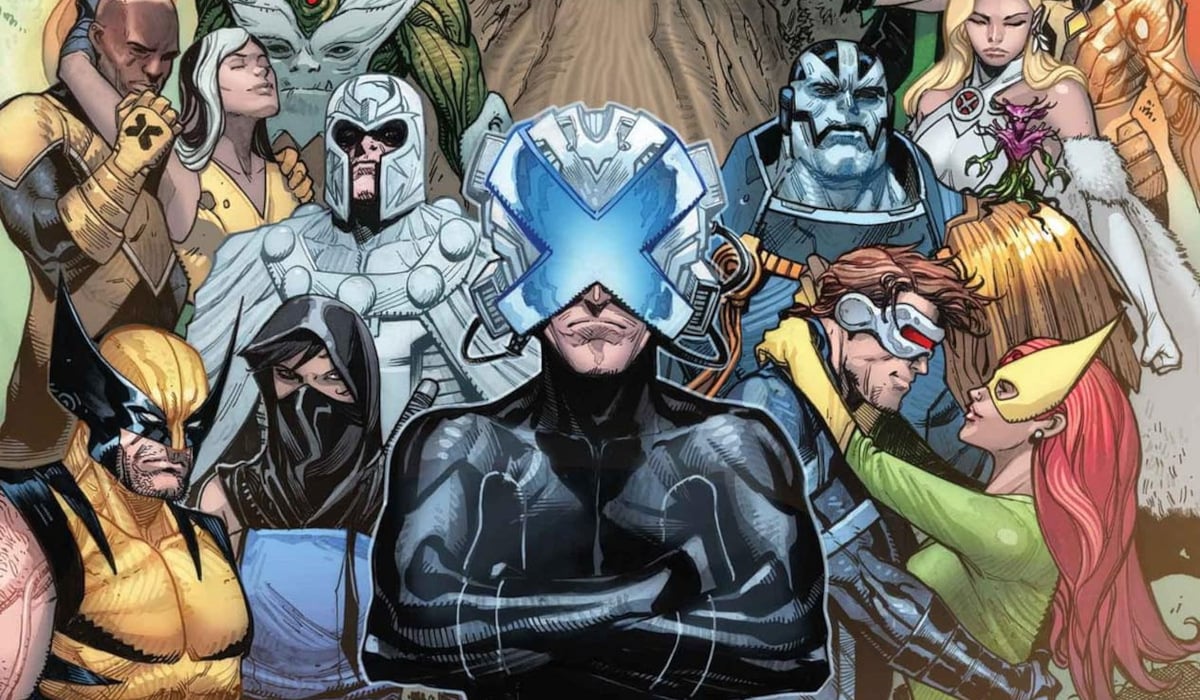
Marvel is bringing two generations of animated X-Men together in a crossover built around one of the most intriguing ideas in superhero storytelling: what happens when different versions of the same heroes meet? The upcoming X-Men ’92: Incursions comic will place the mutants from X-Men: The Animated Series opposite their younger counterparts from X-Men: Evolution.
The premise immediately gives the project a distinctive identity. Rather than simply adapting one animated era into comics, Marvel is using the new series to connect two separate interpretations of the X-Men. Both shows are closely associated with the characters, but they present them from very different perspectives. One is remembered for its classic team of established heroes, while the other focuses on younger versions of the mutants as they grow into their powers and responsibilities.
That contrast is at the heart of the comic’s appeal. Readers will not just be seeing familiar characters in a new setting. They will be watching two versions of the X-Men confront one another, with each group representing a different stage of the franchise’s animated history. The result promises a meeting shaped as much by personality and experience as by superpowers.


X-Men: The Animated Series is the foundation for the “’92” side of the story. Its version of the team has become one of the most recognizable expressions of Marvel’s mutant heroes. The show established a vision of the X-Men that many viewers still associate with the franchise: a team of recognizable heroes navigating danger, conflict, and the complicated place of mutants in the world.
X-Men: Evolution, meanwhile, approached the characters through a younger lens. Its central appeal came from presenting the mutant heroes as teenagers and young people still learning how to manage their abilities and understand their place among both humans and other mutants. That framework allowed the characters to be viewed not only as superheroes, but also as students, friends, rivals, and people still developing their identities.
Putting these versions together creates an unusually clear generational divide. The older animated team and the younger Evolution-era characters are connected by their names, abilities, and broad histories, yet they do not occupy exactly the same dramatic space. Their differences can make the crossover feel like more than a conventional team-up. It becomes a conversation between two interpretations of what the X-Men can be.


The title Incursions points toward a collision between realities or worlds, although the supplied details do not reveal the full plot or explain how the two animated settings come into contact. That mystery is important. The premise establishes the central conflict, but it leaves room for readers to discover the circumstances surrounding the encounter when the comic arrives.
Marvel’s decision to frame the project as an X-Men ’92 story also gives the crossover a clear visual and tonal anchor. The ’92 designation recalls the classic animated era without requiring the new comic to treat that world as isolated from other versions of the characters. By bringing the Evolution cast into that framework, Marvel can honor the older series while expanding the possibilities of its comic-book continuation.
This approach reflects the growing importance of animated superhero history. For many fans, animated adaptations were their first introduction to the X-Men. The shows did not merely reproduce the characters from the comics; they developed their own recognizable identities. Designs, relationships, team dynamics, and storytelling choices helped each program stand apart. A crossover between them therefore carries the energy of a meeting between two fan-favorite casts, even when those casts feature alternate versions of familiar mutants.



The idea also gives Marvel a way to explore the difference between experience and potential. The X-Men: The Animated Series characters are presented as the established side of the equation, while the X-Men: Evolution characters are their younger counterparts. That distinction naturally raises questions about how the groups will respond to one another. Will the younger mutants see their older counterparts as examples to follow? Will the veteran team recognize qualities in the younger group that they have forgotten in themselves? Or will the differences between the two teams make cooperation difficult?
The supplied announcement does not answer those questions, and that restraint leaves the crossover’s dramatic possibilities open. It would be easy to assume that the story will focus only on battles, but the setup supports a wider range of conflict. A confrontation between alternate teams can involve mistrust, confusion, clashing methods, and competing ideas about leadership. Powers may determine what the characters can do, but their individual experiences will determine how they react.
The crossover is also notable because it brings together two shows that appeal to different kinds of nostalgia. Fans of X-Men: The Animated Series may be drawn to the return of its familiar version of the team. Fans of X-Men: Evolution may respond to the chance to see its younger mutants placed in a story where their identity is central rather than incidental. The comic can therefore function as both a continuation of one animated tradition and a celebration of another.

:max_bytes(150000):strip_icc():focal(984x358:986x360)/Jessica-Jones-5-092326-974791ab7f9a417aa69f88cc3925a562.jpg)
That balance will be important. A crossover works best when each side feels essential to the story. If one team exists only to make the other look impressive, the meeting could feel uneven. The strongest version of this premise would give both groups a meaningful role and allow the differences between them to drive the narrative. The younger characters should remain distinct from their older counterparts, while the classic team should feel like more than a set of familiar designs.
Marvel’s multiverse-focused storytelling makes this kind of meeting especially natural. Alternate realities allow characters to exist in several forms without erasing the importance of any one version. In this case, the concept gives both animated series room to remain what they were while placing them in a shared comic-book event. The crossover does not need to decide which interpretation is definitive. Its purpose is to let the interpretations coexist, contrast, and collide.
The project may also appeal to readers who have followed the broader revival of animated Marvel properties in comics. The X-Men ’92 name already signals an interest in continuing the world associated with the classic animated series. Adding X-Men: Evolution to that formula widens the scope considerably. Instead of looking backward at one beloved show, the comic acknowledges the larger history of X-Men animation and the many ways the mutant team has reached audiences.



For general readers, the premise is easy to understand even without detailed knowledge of either series. One team comes from the classic animated interpretation, and the other comes from the younger Evolution version. They are recognizable counterparts, but they are not identical. A collision between them offers a simple entry point: two groups of X-Men must deal with the existence of another version of themselves.
That simplicity can be useful. Multiverse stories sometimes become difficult to follow when they introduce too many realities, rules, and competing timelines. The core idea here is more immediate. The characters themselves provide the hook. Readers can focus on how the teams compare, how they communicate, and what forces them into conflict without needing the crossover to depend entirely on complicated mythology.
The title also suggests that the story will be driven by disruption. An incursion implies that separate worlds are no longer safely apart, creating a situation neither team can ignore. Although Marvel has not supplied the complete story details in the available material, the name establishes a sense of urgency. The meeting is not presented as a casual visit. It is a collision with consequences, and the two teams will have to respond to circumstances larger than their own individual worlds.

That structure creates room for both action and character-focused storytelling. A clash between alternate versions of the X-Men can deliver the spectacle readers expect from a superhero comic, but the emotional center lies in recognition. Every character may be forced to confront a version of what they could have been, what they once were, or what another path might look like. Even without changing the established identities of either animated cast, the encounter can make those identities feel newly relevant.
The younger members of X-Men: Evolution are particularly well suited to a story about comparison. Their animated world is associated with characters who are still learning and changing. Meeting a more established version of the X-Men could challenge their assumptions about heroism and adulthood. At the same time, the older team may be reminded that being experienced does not mean having every answer. The crossover’s premise naturally allows both sides to teach and surprise one another.
For fans of the classic series, the comic offers a chance to revisit a beloved animated world through a new format. For fans of X-Men: Evolution, it offers recognition of a different chapter in X-Men animation. For Marvel, it creates a crossover that is immediately understandable, visually distinctive, and rooted in the history of the franchise without relying on a brand-new cast of characters.


Details about the creative team, release plans, and the full story remain limited in the supplied announcement. As a result, the most important confirmed element is the central matchup itself: the X-Men from the classic animated series versus the younger X-Men from Evolution. That premise is enough to establish the comic’s main attraction while leaving the specifics of the conflict for the story to reveal.
Marvel’s X-Men ’92: Incursions is positioned as a meeting of animated legacies. It brings together the experienced team associated with X-Men: The Animated Series and the younger mutants of X-Men: Evolution, allowing two distinct interpretations of the franchise to share the same comic-book event. Whether readers are drawn by nostalgia, curiosity, or the promise of an unusual superhero confrontation, the crossover has a strong foundation in the history of the X-Men.
The appeal ultimately comes from seeing familiar heroes made unfamiliar again. Each team knows what it means to be an X-Man, but each has learned that lesson in a different world. When those worlds collide, the story can explore not only who is stronger, but also what experience, youth, identity, and legacy mean to a team that has been reinvented across generations.

