How to Watch Every Marvel Movie in the Right Order
A practical guide to watching the Marvel Cinematic Universe by theatrical release date or by the story’s internal chronology, with special attention to the buildup and payoff of Avengers: Endgame.

Marvel’s cinematic universe is large enough to feel like its own television archive. What began with a single armored superhero eventually grew into an interconnected story involving secret organizations, alien worlds, magical realms, time travel, and several generations of Avengers. That scale is exciting, but it can also make a first viewing—or a long-overdue rewatch—feel surprisingly complicated.
The simplest way to approach the franchise is to choose between two viewing methods. You can watch the films in release order, following the same path audiences experienced in theaters, or you can watch them in chronological story order, arranging the events according to when they happen inside the fictional timeline. Both approaches work, but they provide different experiences.
Release order is usually the best choice for newcomers. Marvel designed its major reveals, character introductions, post-credit scenes, and crossover moments to unfold gradually. Chronological order can be rewarding for returning viewers who already understand the major twists and want to examine how the story fits together from beginning to end.

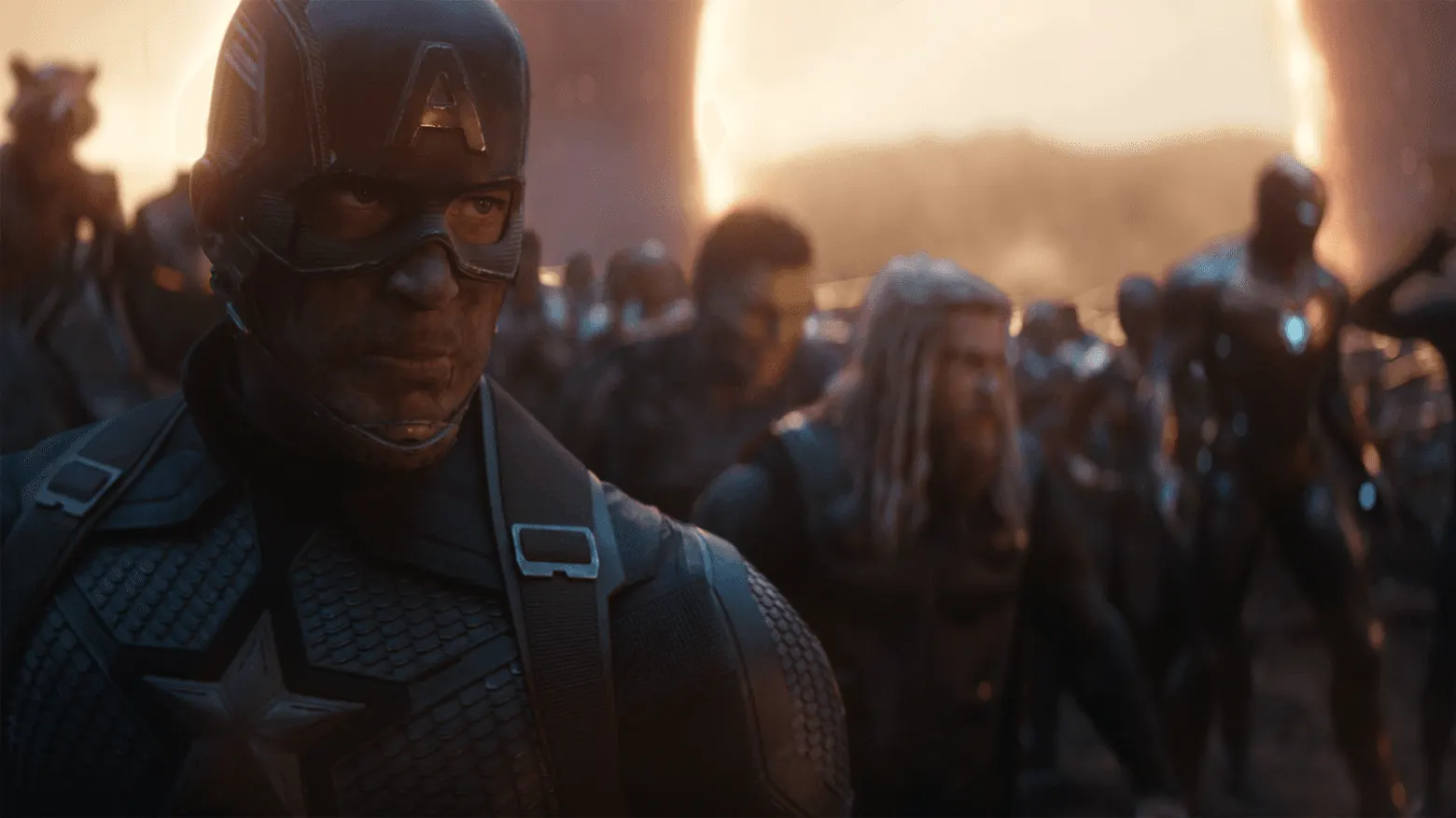
The renewed theatrical attention surrounding Avengers: Endgame makes either approach appealing. Endgame is not an isolated superhero adventure; it is the conclusion of a long-running narrative built across many earlier movies. The more familiar you are with the characters and conflicts that lead into it, the more emotional and meaningful its major moments become.
Before starting, it helps to define what “every Marvel movie” means. Marvel has released films through several studios and eras, including separate series based on Spider-Man, the X-Men, the Fantastic Four, and other comic-book characters. This guide focuses on the Marvel Cinematic Universe, the connected franchise that begins with Iron Man and leads through the Avengers films. That distinction matters because not every movie carrying the Marvel name exists in the same continuity.
Release order: the recommended starting point


The release-order journey begins with Iron Man, which introduces Tony Stark and establishes the modern tone of the MCU. Iron Man is followed by The Incredible Hulk, Iron Man 2, Thor, and Captain America: The First Avenger. These films introduce several of the heroes who will become central to the larger story, while also planting the first major pieces of the Avengers mythology.
The first major gathering arrives with The Avengers. Watching the preceding films first allows the team’s formation to feel earned. The movie is not simply a crossover between unrelated characters; it is the payoff to several individual origin stories and a clear demonstration that Marvel’s separate franchises are part of one expanding world.
After The Avengers, the release sequence continues with Iron Man 3, Thor: The Dark World, and Captain America: The Winter Soldier. These films move the characters into more complicated territory. Tony Stark confronts the consequences of his earlier choices, Thor faces danger connected to the wider mythology of Asgard, and Steve Rogers discovers that the institutions he trusted may be compromised.

Guardians of the Galaxy then expands the MCU beyond Earth. Its colorful team, unusual humor, and cosmic setting may seem separate from the stories of Iron Man and Captain America at first, but the film introduces objects, locations, and characters that become increasingly important as the saga progresses. Avengers: Age of Ultron brings the Earth-based heroes together again, while Ant-Man offers a smaller-scale adventure with a very different style.
The next stretch begins with Captain America: Civil War. Although it carries Captain America’s name, the movie functions as a major turning point for the entire superhero community. The conflict divides the Avengers and introduces a younger Spider-Man to the MCU. Doctor Strange follows with a journey into magic and alternate dimensions, adding another kind of power to the franchise’s growing mythology.
Guardians of the Galaxy Vol. 2, Spider-Man: Homecoming, and Thor: Ragnarok continue to broaden the universe. Guardians Vol. 2 develops the emotional relationships within its spacefaring team. Homecoming presents Peter Parker as a young hero balancing ordinary responsibilities with an extraordinary new life. Ragnarok dramatically reshapes Thor’s world while moving him closer to the central conflict that will soon affect nearly every major character.

Black Panther arrives next, introducing Wakanda and placing T’Challa at the center of a story about heritage, responsibility, isolation, and political power. Avengers: Infinity War then brings the cosmic and Earth-based threads together in a direct confrontation with Thanos. The film is designed as a massive escalation, so watching the earlier movies gives its crowded cast and high stakes much greater context.
Ant-Man and the Wasp follows with a more intimate adventure, but its placement in the release sequence is important because of its connection to the events surrounding Infinity War. Captain Marvel then explores an earlier period in the MCU’s history and introduces Carol Danvers, whose role becomes significant as the Avengers face the aftermath of Thanos’ victory.
The first major viewing journey reaches its centerpiece with Avengers: Endgame. By this point, the audience has followed years of friendships, rivalries, losses, and personal transformations. Endgame works as a continuation of Infinity War, but it also serves as a farewell to one era of the MCU. After Endgame, Spider-Man: Far From Home provides an immediate look at a world dealing with the consequences of the Avengers’ struggle.

Viewers continuing beyond that first saga can move into the MCU’s next phase with Black Widow, Shang-Chi and the Legend of the Ten Rings, Eternals, Spider-Man: No Way Home, Doctor Strange in the Multiverse of Madness, Thor: Love and Thunder, Black Panther: Wakanda Forever, Ant-Man and the Wasp: Quantumania, Guardians of the Galaxy Vol. 3, The Marvels, and the later films released as Marvel continues expanding the franchise.
Release order preserves the surprises that shaped the original audience experience. It also reveals how Marvel’s storytelling strategy changed over time. Early films focus heavily on individual heroes and their origins, while later entries assume that viewers are comfortable moving between genres, worlds, and large groups of characters.
Chronological order: following the story’s timeline

Chronological viewing rearranges the films according to the period in which their main events occur. The timeline begins with Captain America: The First Avenger, whose central story takes place during World War II. It is followed by Captain Marvel, which is set decades later and introduces Carol Danvers before the events of many other MCU films.
Iron Man comes next, followed by Iron Man 2, The Incredible Hulk, and Thor. These films occupy the period in which the modern superhero community begins to take shape. The Avengers then brings the principal heroes together for the first time. From there, the timeline moves through Iron Man 3, Thor: The Dark World, and Captain America: The Winter Soldier.
Guardians of the Galaxy and Guardians of the Galaxy Vol. 2 fit close together in the cosmic portion of the timeline. Their stories happen far from Earth, but chronological placement still matters because the characters and artifacts introduced in those movies eventually become part of the wider Avengers conflict.

Avengers: Age of Ultron follows, then Ant-Man. Captain America: Civil War comes later, with Spider-Man: Homecoming and Doctor Strange covering the same general period from different perspectives. Black Panther, Thor: Ragnarok, Avengers: Infinity War, and Ant-Man and the Wasp then lead directly toward Endgame.
The chronological placement of some films is less straightforward than it first appears. Movies may include flashbacks, opening scenes set years earlier, or post-credit sequences that occur after the main story. For that reason, there is no perfect way to arrange every minute of every film without interrupting the natural flow of the movies. A chronological marathon should be treated as a useful viewing order, not as a demand to pause after every scene.
There is also a practical reason to avoid overthinking the timeline. Marvel’s films were released to be understood by audiences watching them in release order. Chronological order can clarify when events occur, but it can also reveal information that the filmmakers intended to introduce later. A character’s past may be more mysterious in release order and more immediately explained in chronological order.



Where the Disney-era films fit
After Endgame, the MCU becomes more complicated because its stories increasingly involve alternate realities, branching timelines, and characters whose histories cross between different versions of the universe. Films such as Spider-Man: No Way Home and Doctor Strange in the Multiverse of Madness make continuity more flexible than it was during the franchise’s earliest years.
That does not mean a new viewer needs to understand every corner of Marvel before pressing play. The most important foundation remains the group of films leading to Endgame. Afterward, it is reasonable to follow individual character arcs or choose films based on genre. Someone interested in Wakanda can continue with Black Panther: Wakanda Forever. A viewer drawn to the Guardians can finish their trilogy. Those who enjoy cosmic stories can explore Captain Marvel and The Marvels.


The post-Endgame films also introduce new heroes and new entry points. Shang-Chi and the Legend of the Ten Rings stands largely on its own while connecting to the broader universe. Eternals presents a much older and more expansive mythology. Black Widow looks back at Natasha Romanoff’s history, making it a natural choice for viewers who want more of her character even though its release came after Endgame.
How to prepare for an Endgame rewatch
If the main goal is to revisit Endgame, a full marathon is not strictly necessary, but several films provide especially important context. The Avengers establishes the original team. Captain America: The Winter Soldier and Civil War explain the fracture between Steve Rogers and Tony Stark. Guardians of the Galaxy introduces characters who become central to the cosmic side of the conflict. Thor: Ragnarok connects Thor and Bruce Banner to the opening situation of Infinity War.

Infinity War should be watched immediately before Endgame whenever possible. The two films form a continuous dramatic conversation, with Endgame addressing the consequences left unresolved by its predecessor. Watching them close together makes the shift in tone easier to follow and keeps the emotional stakes fresh.
Viewers who have already completed the MCU can also try a character-based rewatch. One route follows Iron Man from his first solo film through the Avengers movies. Another traces Captain America’s story across his trilogy and the major crossover films. A third focuses on the Guardians of the Galaxy and their appearances in the Avengers saga. These approaches are not replacements for release or chronological order, but they can make a large franchise feel more personal.
The ideal order ultimately depends on what you want from the experience. Choose release order if you are new to the MCU, want to preserve the original reveals, or plan to watch the films with friends who have not seen them. Choose chronological order if you already know the major surprises and want to follow the fictional history from its earliest events. Choose a selective rewatch if your priority is Endgame or a particular hero.

Whichever route you take, give the films room to breathe. The MCU is built from individual adventures, but its strongest effect comes from the connections between them. A quiet character decision in one movie may echo years later in another. A brief appearance may become the beginning of a much larger story. That long-term design is the reason watching Marvel in order can feel less like checking titles off a list and more like returning to a sprawling shared world.