Comics Day on September 25, 2026: From Early Drawings to Marvel’s Global Era
Comics Day offers a chance to trace the medium’s long journey from early illustrated storytelling and newspaper strips to Superman, Batman, Marvel’s superheroes and today’s worldwide pop-culture phenomenon.
On September 25, fans around the world celebrate Comics Day, a date devoted to one of the most enduring forms of popular storytelling. Comics have entertained generations with a distinctive combination of words and images, but their history is much larger than the brightly colored superhero books most people associate with the medium today. Their development stretches from early visual narratives and newspaper cartoons to the sophisticated publishing industry built around Marvel, DC and countless independent creators.
Comics can make a complicated idea immediate. A single image can establish a character’s mood, while a short line of dialogue can move the story forward. The space between panels invites readers to imagine action that is not directly shown. That unusual partnership between picture, text and imagination helped comics survive changes in technology, taste and business. It also allowed the form to travel easily from printed pages into radio, television, film, games and digital media.
The roots of visual storytelling long predate the modern comic book. Across different cultures, artists used sequences of images to present religious stories, battles, journeys and everyday life. These works did not always resemble contemporary comics, and they were created for very different purposes, but they demonstrated a basic principle that remains central to the medium: a series of pictures can guide an audience through events over time.


As printing became more widely available, illustrated publications reached a growing public. Satirical drawings and humorous scenes appeared in newspapers and magazines, often commenting on politics, society and ordinary behavior. In the nineteenth and early twentieth centuries, cartoonists increasingly arranged images into sequences and added captions or speech balloons. This helped establish the visual language that readers would later recognize as comics.
Newspapers played a particularly important role in making comics a daily habit. Comic strips gave publishers a way to attract readers, while artists gained a regular platform for recurring characters and continuing stories. The characters could be funny, mischievous, adventurous or sentimental. Because the strips appeared repeatedly, audiences formed attachments to them and returned to the paper to discover the next episode.
The move from newspaper pages to dedicated comic books changed the scale of the medium. Instead of receiving only a few panels at a time, readers could follow longer adventures collected in a single publication. The format created space for more elaborate plots, larger casts and distinctive fictional worlds. It also made possible a new kind of character: the costumed hero whose identity, abilities and moral choices could support stories over many issues.

Superman’s arrival marked one of the decisive turning points in comic-book history. The character became an emblem of the superhero genre and helped define expectations for the heroes who followed. Superman combined extraordinary powers with a strong sense of responsibility, offering readers a figure who could confront dangers far beyond the scale of everyday life.
His success demonstrated that superheroes could become major publishing attractions rather than occasional novelties. Publishers began introducing more characters with distinctive costumes, powers and origins. Some relied on science-fiction ideas, others on mythology, crime fiction or fantasy. The genre’s central appeal was not simply that its heroes could defeat villains. It was that readers could imagine how power might be used, what justice might require and what it could mean to live with a secret identity.
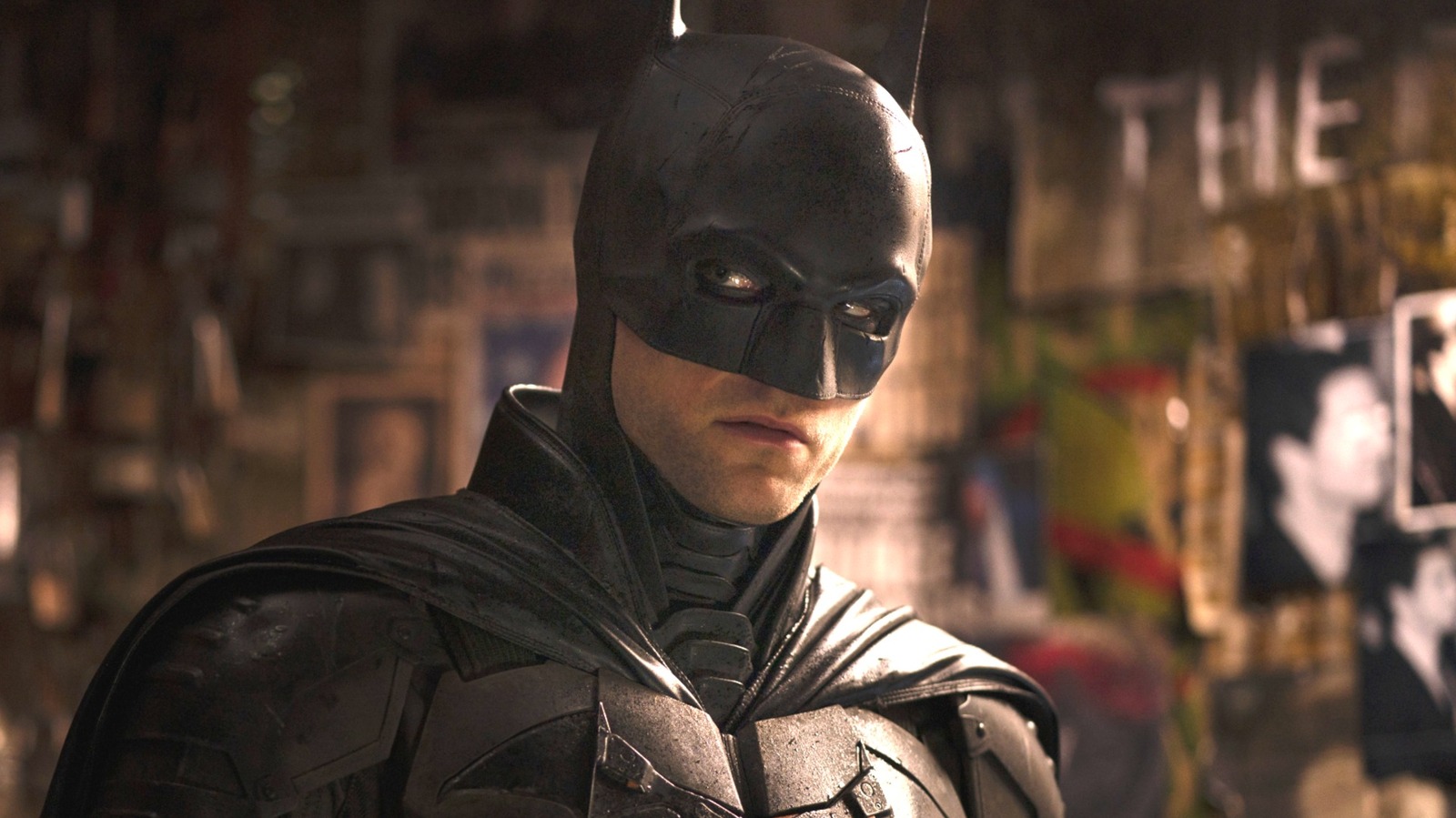
Batman soon became another defining figure. Unlike Superman, Batman was presented as a human being who depended on discipline, intelligence, training and technology rather than superhuman abilities. His stories brought a darker atmosphere and a strong connection to detective fiction. The contrast between the two heroes showed that the emerging superhero genre could contain very different tones, settings and ideas.



The period in which superheroes became firmly established is commonly known as the Golden Age of comics. It was a time of rapid growth, when publishers experimented with new characters and readers embraced stories of adventure, danger and heroism. World events also influenced the atmosphere of many publications. Comics often offered clear conflicts and determined protagonists at a moment when audiences were seeking reassurance and escapism.
Yet the Golden Age was not limited to superheroes. Humor, romance, crime, horror, science fiction and western comics all attracted readers. The medium’s flexibility was already evident: the same format could provide a joke, a mystery, a frightening tale or a sweeping adventure. Superheroes would become the most commercially powerful part of the business, but they developed within a much broader comic-book culture.
As the industry matured, questions about the influence of comics on children and society became increasingly prominent. Critics worried that frightening or violent stories might affect young readers. Such concerns encouraged publishers to impose standards on some comic-book content. The resulting restrictions shaped the kinds of stories that could be told and influenced the direction of the market for years.


The Silver Age brought a new burst of imagination and helped reshape the superhero. Writers and artists began creating heroes whose personal problems were as important as their battles. These characters could be powerful but uncertain, courageous but flawed, or admired in public while struggling privately. The approach made superhero stories feel more emotionally accessible and gave readers reasons to care about the people behind the costumes.
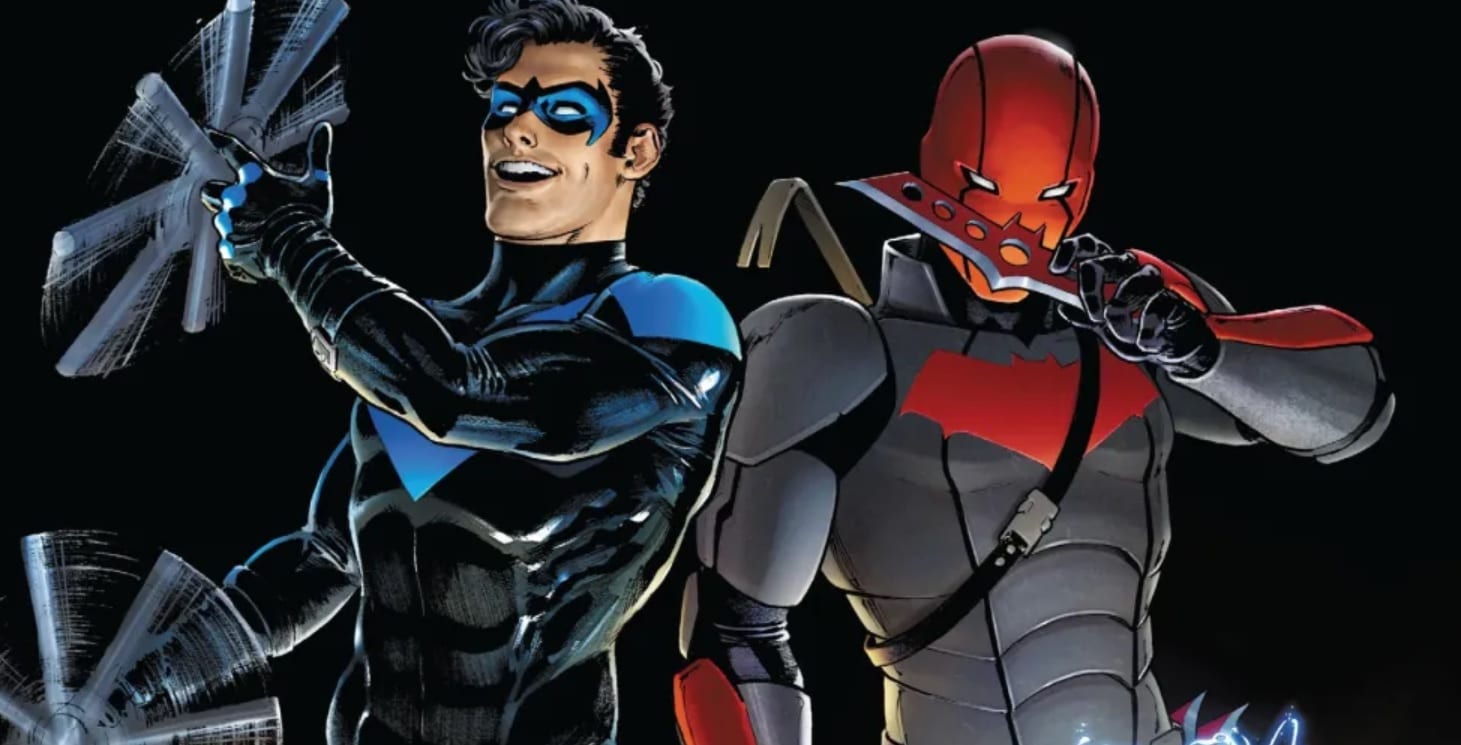
Marvel became one of the most important forces in this transformation. Its stories helped popularize a style in which extraordinary events took place alongside recognizable personal concerns. Heroes did not always live in distant, perfect settings. They could worry about money, school, work, family, friendship and public opinion. They could argue with one another, make mistakes and question their decisions.
This combination of fantasy and everyday difficulty became a major part of Marvel’s identity. Characters such as Spider-Man demonstrated how a superhero could also be a vulnerable young person. The stories connected spectacular action with the pressures of growing up and accepting responsibility. Other Marvel heroes expanded the range further, bringing together science fiction, mythology, espionage, horror and social conflict.


Marvel’s rise was also shaped by the relationship between writers, artists and readers. Comics are collaborative works, and their energy depends on the interaction of many creative roles. Artists establish the appearance of a world, the movement of a fight and the expressions that reveal a character’s feelings. Writers structure the plot and dialogue, while editors help maintain continuity and guide a publication’s overall direction.
Readers, meanwhile, do more than consume the stories. They debate interpretations, compare versions of characters and follow the careers of creators. Fan communities helped turn comics into a culture with its own traditions, collecting practices and conventions. Over time, characters that began in inexpensive periodicals became part of a shared international vocabulary.
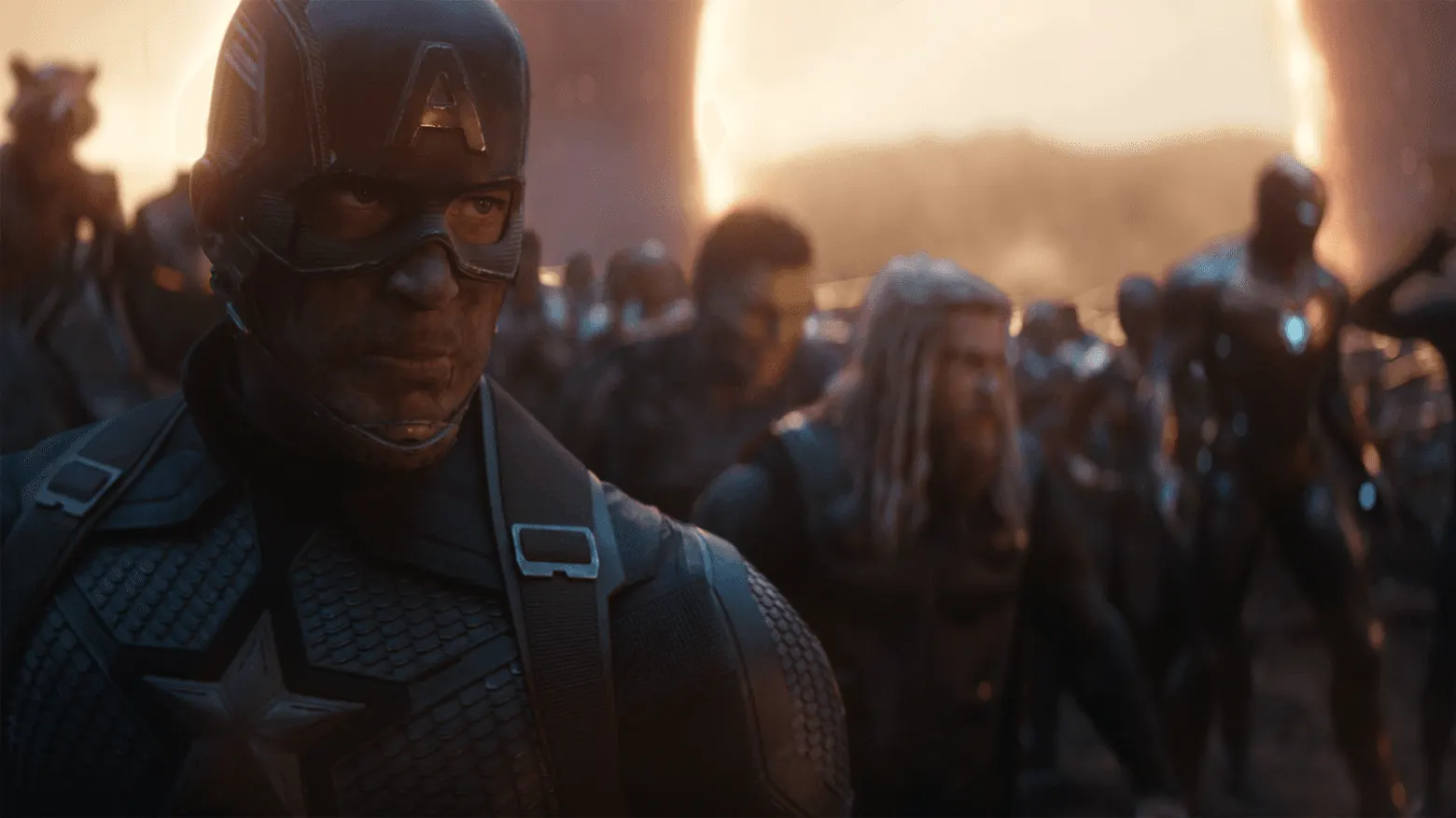
Marvel’s importance grew as its characters moved beyond comic pages. Adaptations for television and film introduced superheroes to people who might never have visited a comic shop. Later, large-scale cinematic productions connected individual stories into broader fictional universes. The success of these adaptations made Marvel a central name in global entertainment and encouraged renewed interest in older comics.

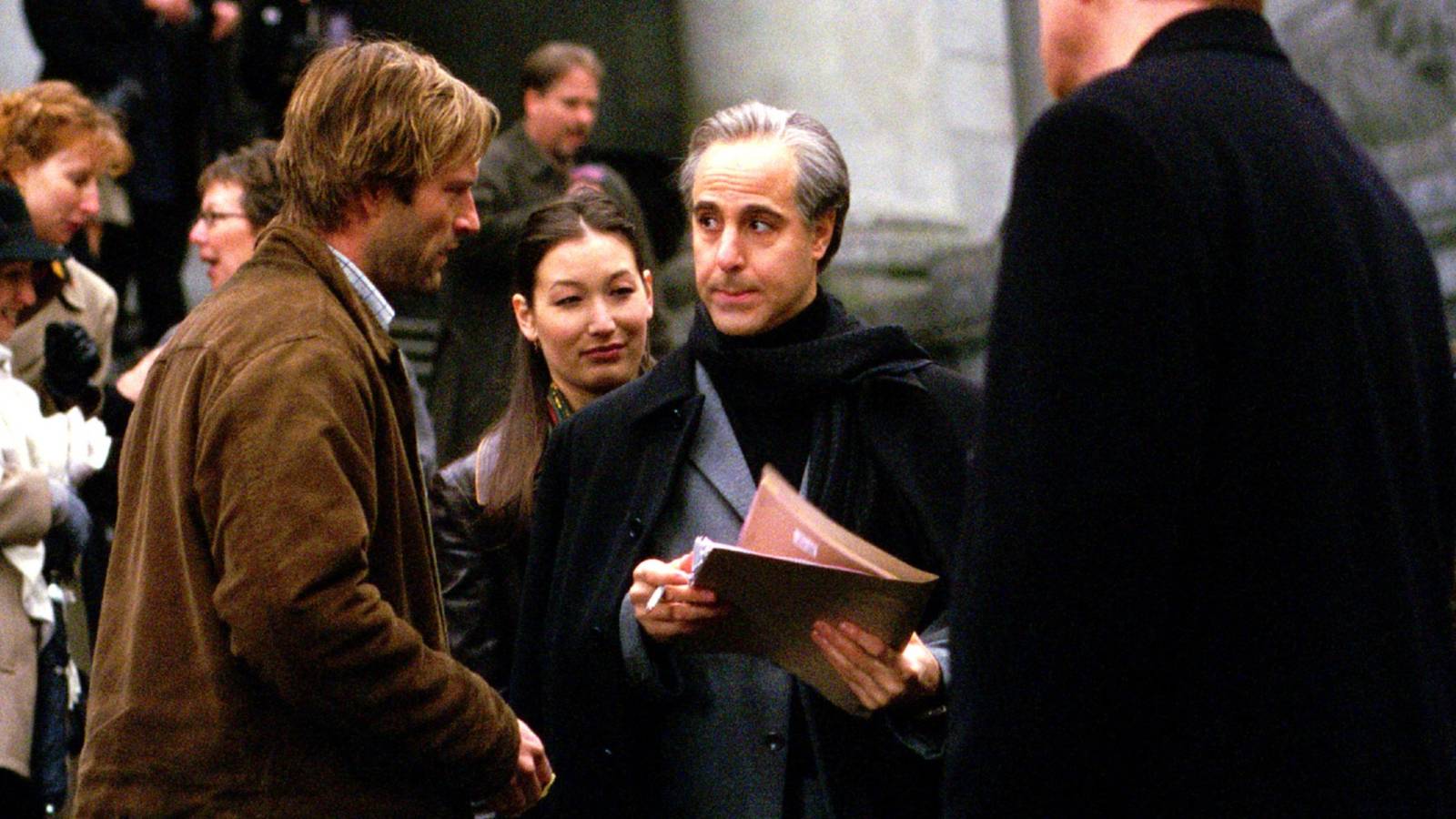
That success did not make the original medium irrelevant. On the contrary, films and series often led audiences back to the source material. Readers discovered that a familiar character could have many interpretations, visual styles and storylines across decades of publication. The comic page offers freedoms that screen adaptations cannot always reproduce, including unusual pacing, direct control of layout and limitless transitions between reality, memory and imagination.
Comics also continued to change outside the superhero mainstream. Independent publishers and individual creators explored autobiographical stories, historical subjects, social issues, fantasy and experimental forms. Graphic novels helped some readers view comics as a format capable of sustained literary storytelling. In schools and libraries, comics became increasingly visible as tools for education, communication and cultural discussion.
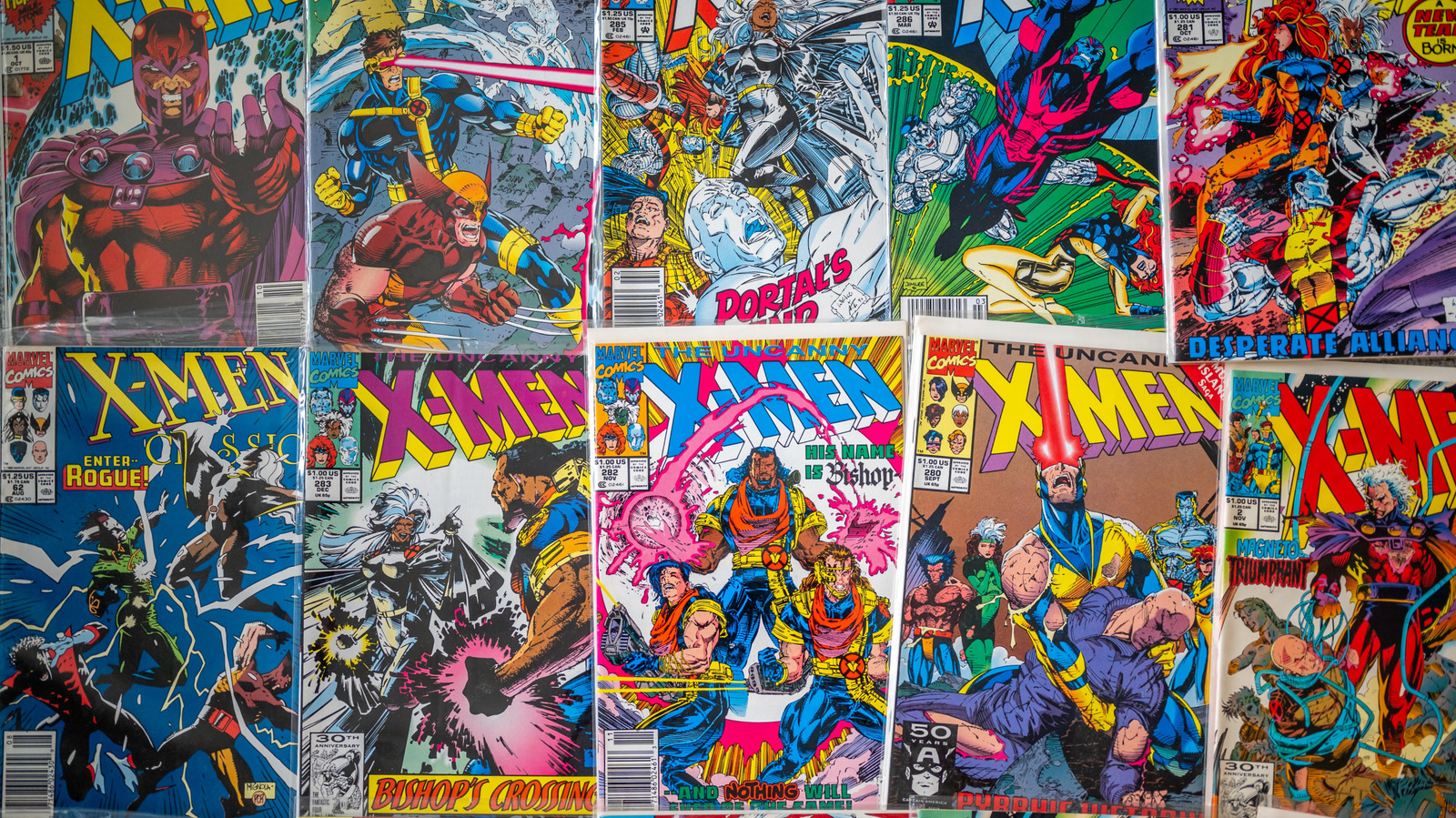
The digital era introduced another stage in the medium’s development. Readers can now encounter comics on phones, tablets and computers, often through services that make large collections available immediately. Digital pages can be enlarged, rearranged or presented in ways designed for screens. At the same time, printed editions remain important to collectors and readers who value the physical experience of turning pages and studying artwork at full size.

Despite these changes, the fundamental grammar of comics remains recognizable. Panels organize time, captions provide context, speech balloons carry voices and visual details communicate information that words may leave unsaid. Readers participate by connecting one image to the next. That act of interpretation is one reason comics can feel both quick and deeply involving.
Comics Day is therefore more than a celebration of superheroes. It recognizes a creative language that has absorbed influences from humor, journalism, illustration, literature, cinema and popular mythology. Superman and Batman helped establish the modern superhero tradition, while Marvel expanded the possibilities of the genre by placing extraordinary characters in emotionally familiar situations.
The history of comics is also a history of reinvention. The medium began with sequential visual ideas, found a permanent home in newspapers and magazines, grew into a powerful publishing industry and then expanded across screens and digital platforms. Every generation has brought new artists, new readers and new interpretations to the form.


For Marvel fans, September 25 offers an opportunity to look beyond any single film or character and consider the long creative journey that made the modern superhero possible. The colorful costumes, dramatic origins and shared universes of today’s entertainment are connected to earlier experiments in drawing, printing and storytelling. Comics continue to evolve because they remain remarkably open: they can be intimate or spectacular, humorous or serious, simple in appearance or rich in meaning.
That adaptability explains why comics have remained part of global pop culture for so long. Whether encountered in a newspaper strip, a vintage issue, a graphic novel, a mobile app or a Marvel adaptation, the form still asks readers to complete the story with their own imagination. On Comics Day, that invitation is the real tradition being celebrated.