New Clayface Trailer Resists the Urge to Reveal His Final Form, Which Is Exactly How It Should Be
DC Studios’ final Clayface trailer keeps the character’s ultimate appearance hidden, preserving the mystery around one of the project’s most important visual reveals.

DC Studios has released the final trailer for Clayface, and its most notable decision is also its most restrained one: the footage does not reveal the character’s final form. In an era when trailers routinely explain a film’s premise, showcase its biggest set pieces and unveil its most heavily protected visual effects, that restraint feels unusually deliberate.
The absence of a full reveal is not a missing piece of information. It is the point. Clayface is a character whose appeal is closely tied to transformation, uncertainty and the question of what viewers are really looking at. Showing the finished version too early could turn one of the film’s central mysteries into a piece of advance marketing. By holding it back, DC Studios allows the character’s eventual appearance to remain an experience rather than a screenshot circulated before release.
That choice matters particularly for a figure whose identity is defined by change. Clayface is not compelling simply because he can look unusual. His power, reputation and visual identity come from the instability of his shape. He can suggest one thing and become another, making the boundary between a recognizable person and something far less predictable part of the character’s fundamental appeal.

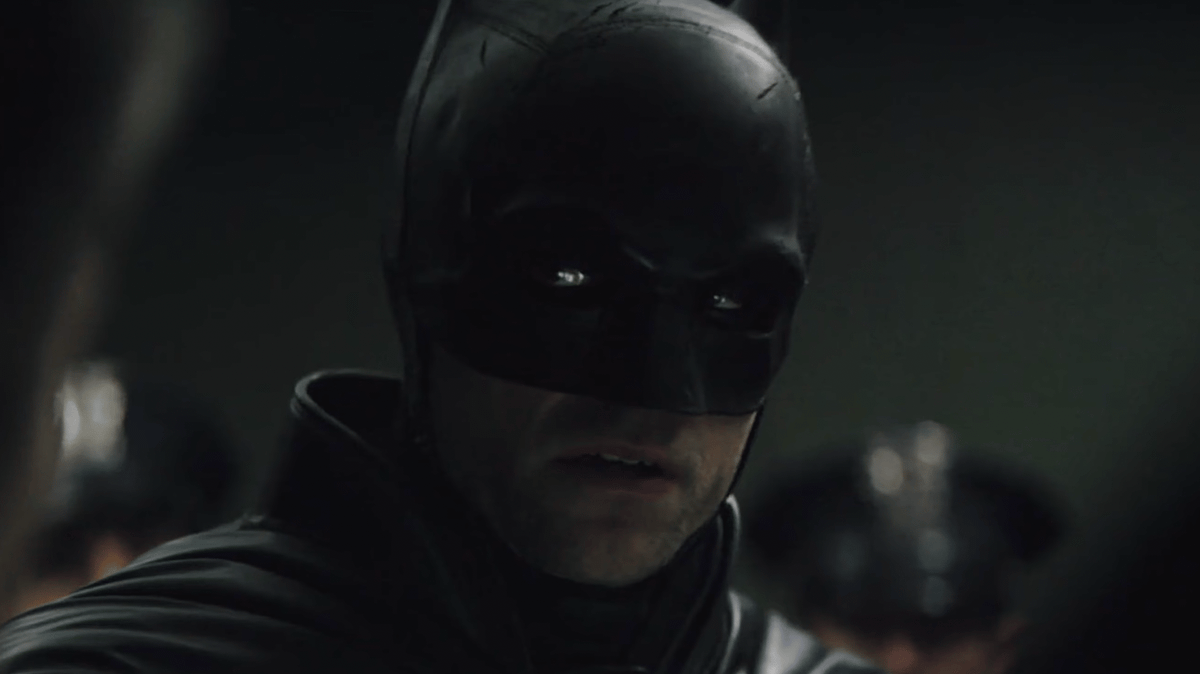
A trailer that displayed his definitive form would therefore risk reducing a fluid character to a single image. Audiences might spend weeks judging that design in isolation, debating individual details and deciding what it means before seeing the story that gives the image context. Keeping the final form out of the promotional material protects the character from being flattened into a reaction shot.
There is also a practical reason for the decision. Visual effects often work best when they are encountered as part of a scene rather than presented as a detached marketing object. A transformation can feel startling when it arrives at the right moment, surrounded by performance, sound, pacing and the reactions of other characters. The same transformation may feel far less effective when compressed into a few seconds of trailer footage and replayed online without the surrounding story.
The final trailer’s restraint is consequently a vote of confidence in the film itself. Instead of using the completed design as its main selling point, the campaign is asking viewers to remain curious. That approach suggests that the eventual reveal is intended to carry dramatic or emotional weight, not merely satisfy a visual-effects checklist.


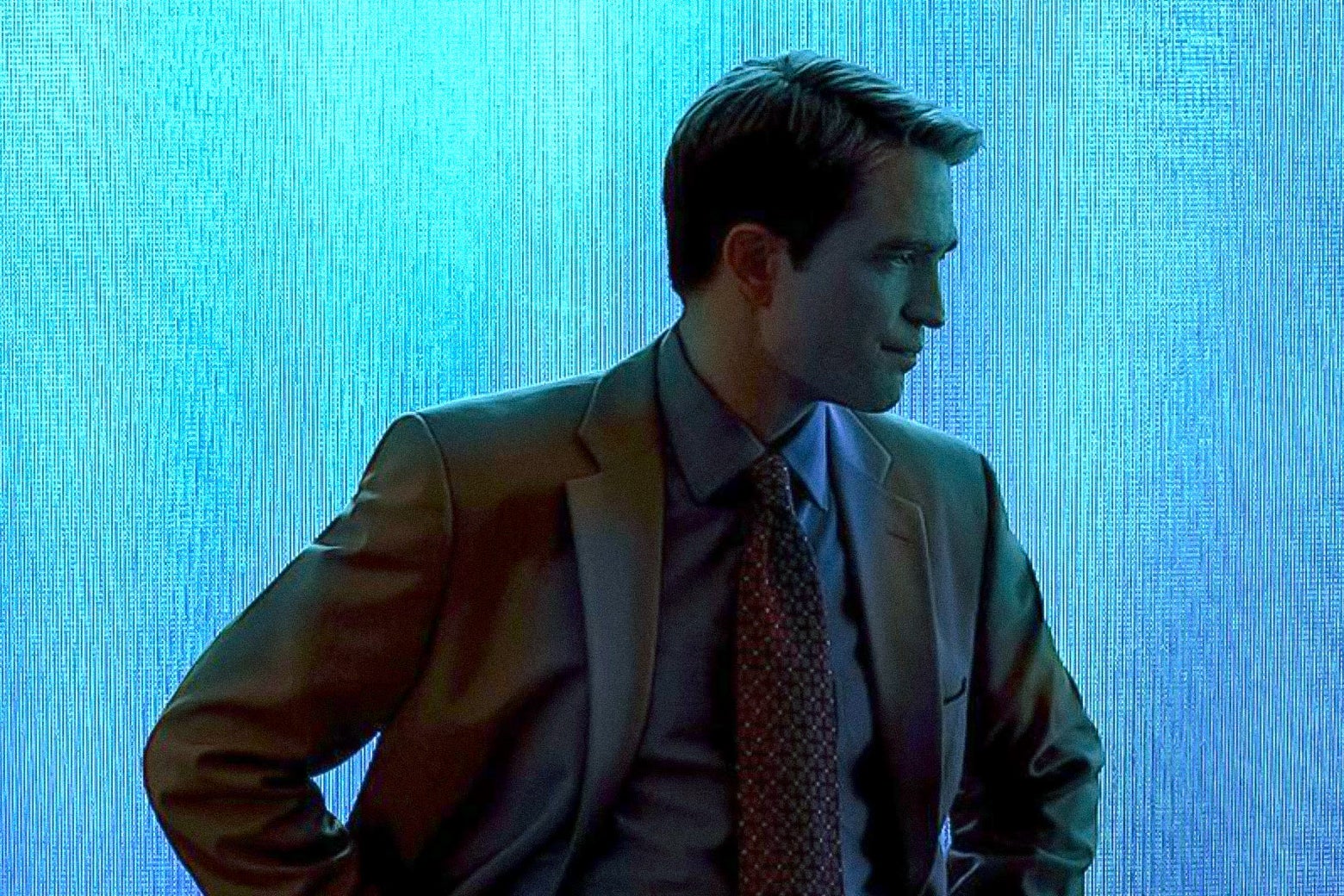
Trailers have become increasingly vulnerable to overexposure. Major releases are often promoted through multiple previews, television spots, social-media clips and behind-the-scenes images. Even when each piece of footage is brief, the combined effect can give audiences a broad outline of a movie before they enter a cinema or begin watching at home. The most important confrontation, the surprise supporting character and the climactic transformation may all appear in promotional material long before the story has had a chance to build toward them.
Against that background, the decision not to show Clayface’s final form feels almost old-fashioned. It treats anticipation as something worth preserving. Viewers can know that a transformation is coming without being shown exactly how it will look. That gap between expectation and discovery is valuable, especially for a character whose form is supposed to be difficult to pin down.
The trailer also demonstrates that secrecy does not have to mean silence. DC Studios can introduce the project, establish its tone and invite interest while still protecting the visual reveal that matters most. Marketing does not need to answer every question to be effective. Sometimes the strongest promise is simply that the finished film contains something audiences have not yet seen.

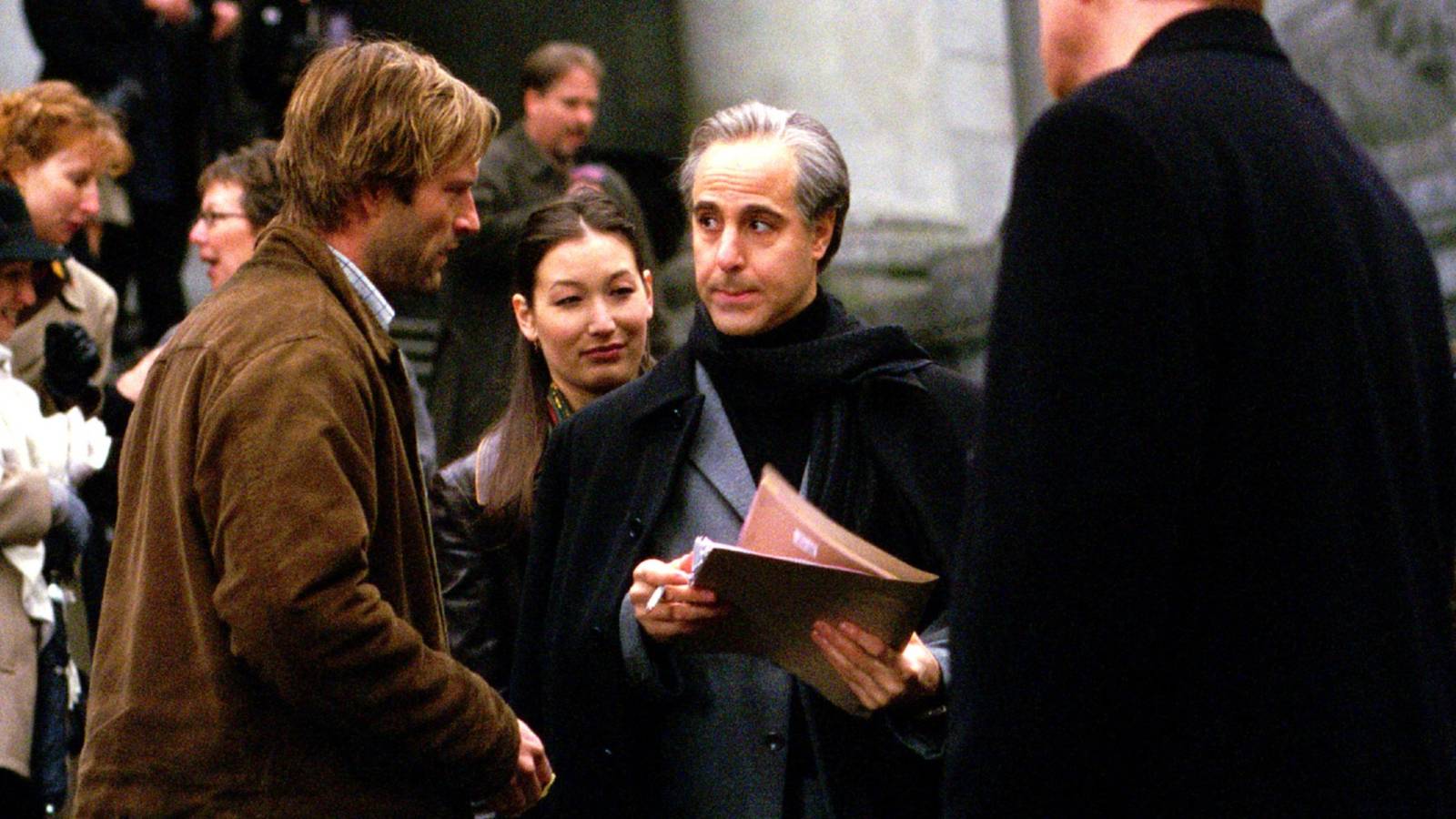

For general audiences, the choice makes the upcoming movie easier to approach. People who already know Clayface can hold on to their expectations without having a final design imposed on them in advance. Those who know the character only by name can discover the transformation on the film’s own terms. Neither group is being asked to process a supposedly definitive image before understanding its place in the story.
That is especially important with comic-book characters, whose appearances have changed across different interpretations. A new version does not need to compete with every earlier image at the level of a single promotional frame. It needs to make sense within its own story. Concealing the final form gives the film room to establish its version of Clayface through action and character rather than inviting an immediate comparison based solely on a still image.
The same principle applies to the language surrounding a trailer. Calling this the final trailer may create an expectation that it will reveal everything the campaign has been holding back. In practice, a final preview can be valuable precisely because it closes the promotional cycle without surrendering the film’s most important secret. “Final” does not have to mean “complete.” It can mean that the studio has shown enough to make the case for the movie while leaving the decisive discovery untouched.

That balance is difficult to achieve. A trailer must give viewers a reason to care, but every additional detail can weaken the eventual experience. The safest marketing choice is often to display the most immediately legible image, particularly when that image is likely to generate online discussion. The more disciplined choice is to ask whether the image will still have power once the audience reaches the scene it comes from.
With Clayface, the answer appears to have been clear. A final form shown too soon could become the only version many people remember from the campaign. It could dominate conversations that ought to concern the character’s role, the story’s atmosphere or the way the transformation affects the people around him. By withholding it, DC Studios keeps those questions open.
There is a creative advantage to that uncertainty. A character who can change shape should generate a degree of doubt in the audience. Viewers should not feel that they have already mastered the visual rules before the film begins. They should wonder what Clayface can become, when the change will happen and whether the form they are seeing can be trusted. A trailer that refuses to settle those questions is working with the character rather than against him.

The decision also leaves space for the film to create its own first impression. When audiences see a major design for the first time in a theater or during an uninterrupted viewing, the moment belongs to the story. It is not competing with commentary, reaction videos or weeks of close-up analysis. The reveal can arrive with the rhythm chosen by the filmmakers, rather than the rhythm imposed by a marketing campaign.
None of this means that audiences should expect the movie to remain completely unknowable. A trailer can still establish the idea of Clayface and communicate that the character’s final appearance is important without displaying every detail. What matters is the distinction between offering a premise and exhausting its payoff. The preview can make viewers curious about the transformation without turning curiosity into prior knowledge.
That distinction is increasingly rare. Modern audiences are skilled at examining trailers frame by frame, and promotional footage is often discussed as if it were evidence in a mystery. A few seconds can produce theories about a character’s identity, the order of events or the nature of a visual effect. Sometimes that conversation is enjoyable, but it can also make the film feel like a confirmation of information viewers have already assembled.


Clayface’s withheld final form gives the audience one less puzzle to solve before the story arrives. It preserves a space where surprise remains possible. Even viewers who believe they know what the character should look like cannot be certain that the film will follow their expectations, because the official material has not supplied the answer.
That uncertainty may ultimately prove more valuable than an extra burst of trailer excitement. A striking design can create immediate attention, but a protected reveal can create lasting memory. If the filmmakers have chosen the right moment, the first full appearance of Clayface may be remembered as a scene rather than as an isolated promotional image. The trailer’s refusal to show it gives that possibility room to exist.
There is a broader lesson here for superhero marketing. Familiar characters do not always need to be explained more aggressively. Recognition can provide the starting point, while mystery supplies the reason to keep watching. When a studio trusts the audience to wait, it can make a well-known name feel unpredictable again.


The final Clayface trailer therefore succeeds through what it leaves out. It confirms that the character’s ultimate form remains protected, and that protection makes the upcoming reveal feel more meaningful. Rather than treating the transformation as a disposable spectacle, the campaign presents it as something that should be encountered in context.
For now, the precise details remain undisclosed. That is not a frustration the trailer failed to solve; it is the promise the trailer intentionally preserves. When Clayface finally reaches his completed form, audiences will be able to see it as part of the story, not as an answer they received weeks earlier from a marketing department. In this case, resisting the urge to reveal everything is not merely good spoiler control. It is the most fitting way to introduce a character who is defined by never staying the same.