The Secret History of Marvel Movie Adaptation Comics
Before superhero films became a dominant force at the box office, Marvel comics had already developed a fascinating way to bring Hollywood stories into the language of sequential art.
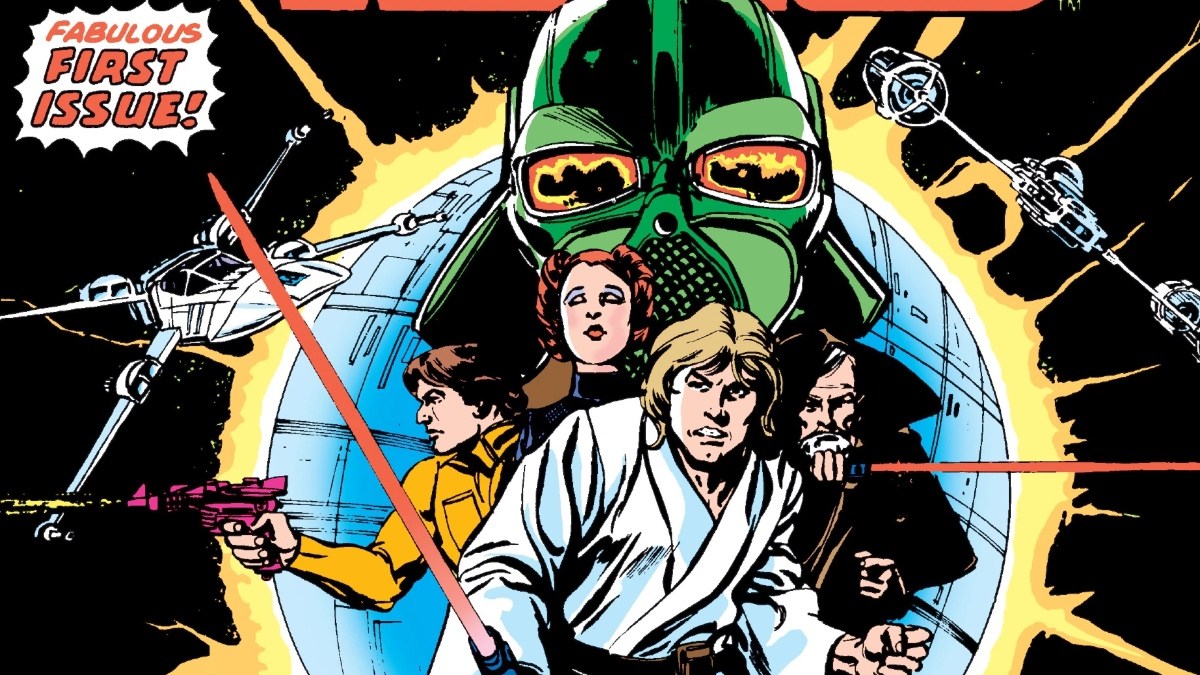
Long before superhero films became the center of popular culture, Marvel Comics was already experimenting with a different kind of cinematic universe. The company was not only turning its own heroes into movies. It was also taking stories born in Hollywood and translating them into comic books, allowing readers to revisit films through panels, captions, speech balloons, and dramatic splash pages.
These publications are often remembered as curiosities, but they represent an important and surprisingly revealing part of Marvel’s history. They show how the company responded when popular cinema crossed into its territory, and they reveal how flexible the comic-book format could be when it was asked to serve another medium.
The basic idea was simple. A film studio had a recognizable property, Marvel had an established audience and a powerful publishing operation, and a comic adaptation could connect the two. Yet the process was more complicated than merely copying a screenplay into illustrated form. Artists had to capture the appearance of actors, writers had to compress an entire movie into a limited number of pages, and editors had to decide what could be preserved when movement, music, and performance were no longer available.


The result was a body of work that sat between two worlds. These comics were not quite ordinary Marvel stories, because their plots and characters had usually been created elsewhere. They were not simply film stills in printed form, either. They became interpretations, shaped by the rhythm, visual language, and storytelling habits of comic books.
Marvel’s role was often that of a cultural translator. The company took stories designed for the screen and rebuilt them for readers who were accustomed to superheroes, serialized adventures, and highly expressive artwork. A chase that lasted seconds in a theater could occupy several panels. A silent glance could become a caption. A special effect that depended on sound and motion had to be suggested through composition, color, and lettering.
This translation was especially significant during the period when film adaptations were treated as publishing opportunities rather than as the foundation of an enormous multimedia strategy. Today, a major movie may arrive with toys, streaming projects, video games, novels, and multiple comic tie-ins. Earlier adaptations were often more direct and self-contained. The comic existed to keep the film in front of the audience, extend its presence on newsstands, and offer fans another way to experience a familiar story.

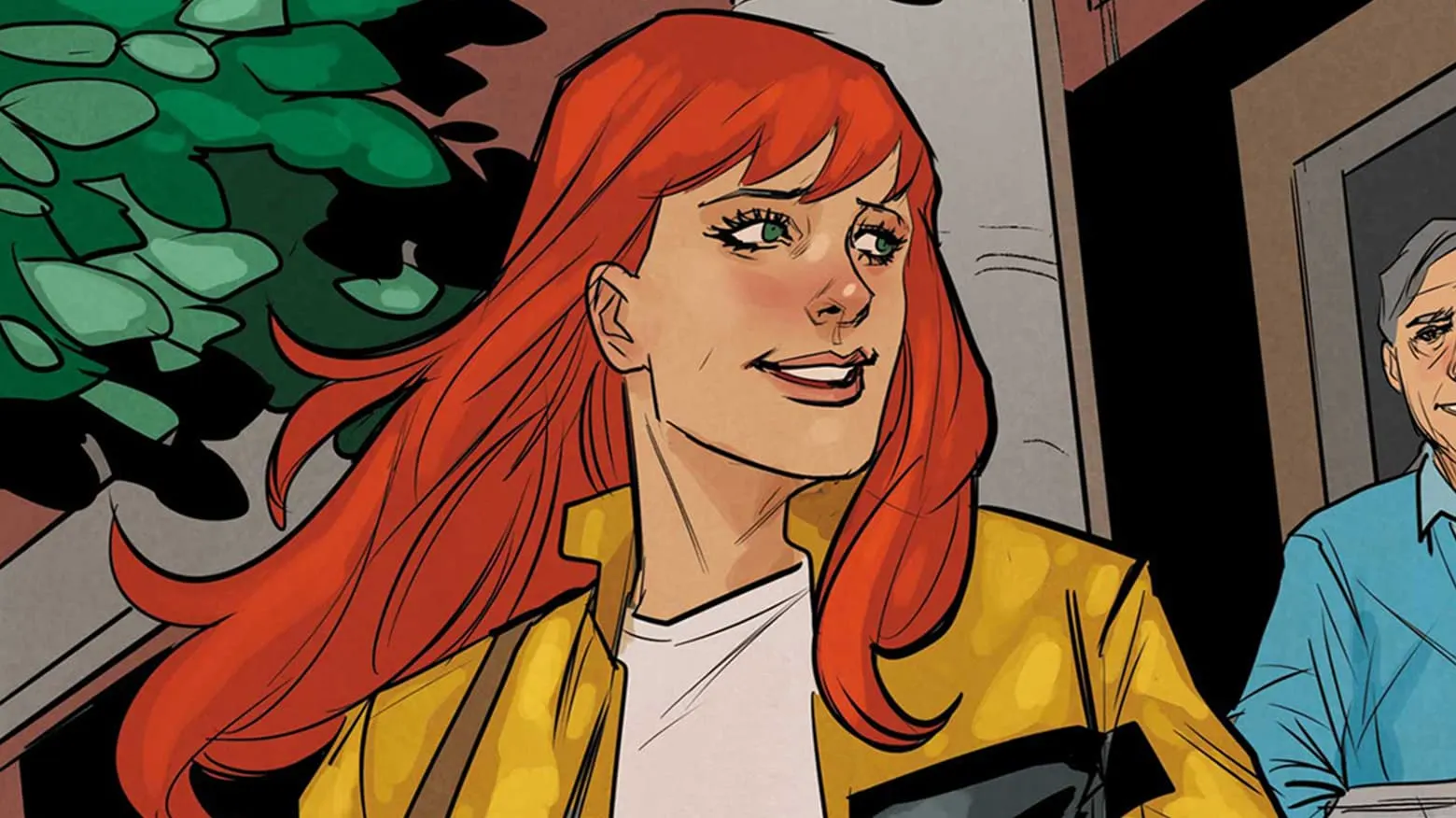
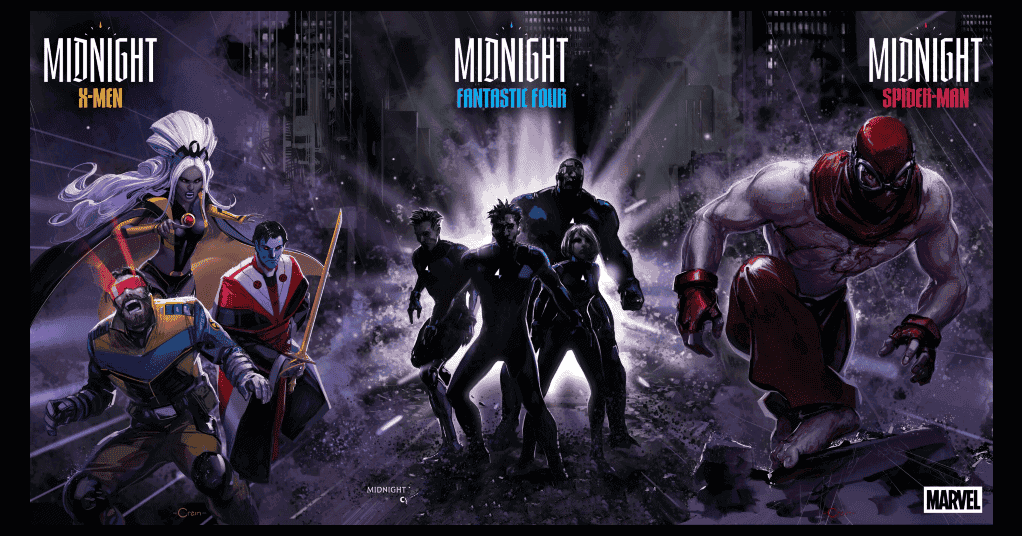
That commercial purpose did not prevent the artists from making creative choices. In fact, the limits of the format often encouraged them to be inventive. A movie could rely on editing to move rapidly from one location to another, while a comic had to create that momentum on the page. A filmmaker could use a musical score to build tension, but a comic artist had only visual pacing and words. The best adaptations understood those differences instead of attempting to imitate film too literally.
One of the most recognizable examples of this tradition is Marvel’s work on Star Wars. The property brought Hollywood spectacle into a comic-book setting at a moment when the two forms were becoming increasingly comfortable with one another. The adaptation allowed readers to encounter the film’s space battles, strange worlds, and heroic conflicts in a familiar Marvel format, while the continuing comic series could preserve interest in the story beyond a single trip to the cinema.
Marvel’s Star Wars material also demonstrated why adaptation comics could matter even when readers already knew the plot. The appeal was not based only on surprise. Fans wanted to see how the characters, creatures, vehicles, and locations would be rendered by comic artists. They wanted a physical object that extended the film’s world, something that could be reread and examined at a different pace.

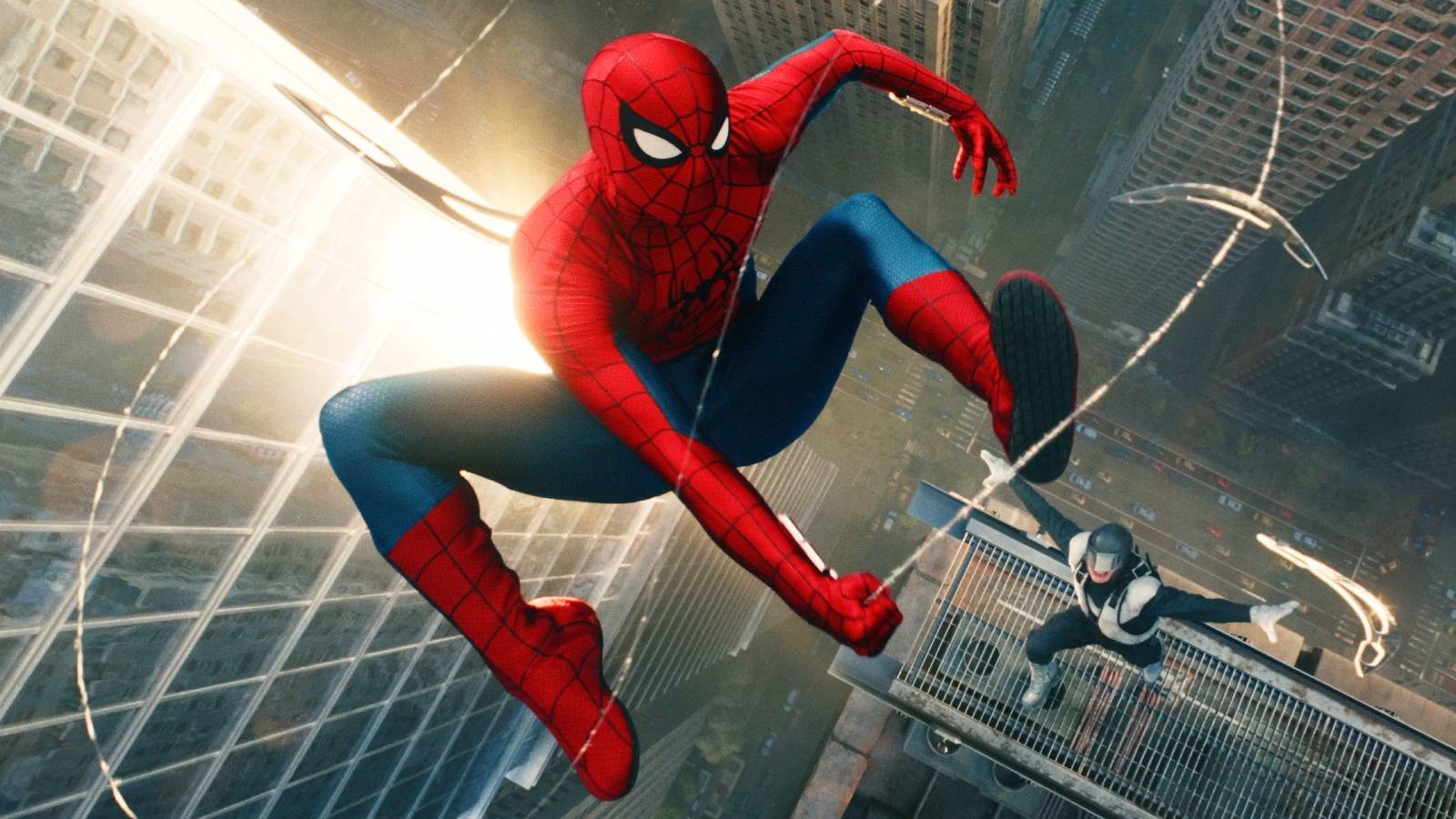
That distinction is important. A successful adaptation does not have to replace the original film. It can offer a companion experience. The film controls time: scenes arrive in a fixed order and move according to the director’s edit. The comic gives some of that control to the reader. Pages can be turned quickly, paused over, or revisited. A single image can be studied in a way that a moving picture rarely permits.
Marvel’s movie adaptations also created an unusual meeting point between licensed characters and the company’s own visual identity. Even when the story did not belong to the Marvel Universe, the finished comic carried the imprint’s sensibility. Readers could recognize familiar storytelling instincts in the page layouts, action sequences, dialogue, and dramatic poses. The adaptation became a Marvel publication not because its characters were suddenly superheroes, but because the company’s creative machinery had shaped the experience.
This sometimes produced a fascinating tension. Film actors were central to the identity of many properties, yet comic artists had to interpret those performers in drawn form. A likeness could be accurate without feeling alive, or expressive without looking much like the actor. The adaptation therefore had to balance two expectations: it needed to remind readers of the movie while still functioning as artwork in its own right.
That challenge was not limited to faces. Costumes, production designs, props, and creatures all had to be carried across mediums. A design that looked convincing under studio lighting might need to be simplified for a comic panel. A machine that moved on screen had to be made legible in a still image. A large-scale battle had to be arranged so that the reader could understand its geography without the benefit of a camera moving through the action.
Writers faced an equally difficult task. A screenplay contains pauses, performances, and visual information that may never be spoken aloud. Comic adaptations had to decide which details belonged in captions and which could be communicated through drawings. Too much explanation could make the pages feel crowded. Too little could leave the story confusing, especially when a film depended on atmosphere or subtle acting.
The most effective adaptations treated the comic page as a new stage rather than a reduced movie screen. They used page turns for reveals, large images for moments of spectacle, and tightly arranged panels for urgency. The language of comics could make familiar scenes feel newly shaped. A film sequence might become a carefully controlled visual progression, with each panel offering a different piece of information.
There was also an intriguing question of audience. Some readers bought adaptation comics because they loved the movie. Others encountered the story first through the comic. For that second group, the book could serve as an introduction to a wider fictional world. It might create curiosity about the source film, or simply stand as the reader’s primary version of the adventure.
That possibility gave these publications a significance beyond advertising. They were part of the way stories circulated before home entertainment and digital access made films easy to revisit. A comic could remain on a shelf long after a movie had left theaters. It could be shared with friends, discovered in a shop, or read by someone who had never seen the original production.
Marvel’s adaptation work also reflects the changing relationship between comics and Hollywood. For years, comic books were often treated as material that films might borrow from, while movie properties were considered separate products to be licensed and repackaged. Adaptation comics complicated that relationship. They showed that comics were not merely a source of characters. They were also a powerful method for reinterpreting stories from other forms.


That idea became more important as the entertainment business grew more interconnected. A film could inspire a comic, the comic could deepen a fan’s attachment to the film, and both could reinforce the identity of a larger brand. The modern entertainment landscape makes this process feel routine, but earlier adaptation comics helped establish the logic behind it.
They also reveal something about Marvel’s publishing instincts. The company understood that readers were attracted to recognizable characters and worlds, but it also knew that the comic form had its own pleasures. The goal was not simply to place a film poster between two covers. The goal was to create a readable, visually engaging object that could stand on a newsstand or in a collection.
Not every adaptation could achieve that balance. Some were constrained by schedules, page counts, or the need to follow the film closely. Others may feel more like records of a production than fully independent comics. Yet even the less polished examples remain valuable because they preserve a moment when two popular forms were learning how to share the same story.

Their historical importance lies partly in what they anticipated. Today, audiences are accustomed to seeing stories move between cinema, television, comics, games, and novels. Characters may have different versions in each medium, and fans often compare those interpretations as part of the enjoyment. Marvel’s earlier movie adaptations belong to the formative period of that habit.
They remind us that adaptation is never a neutral process. Every translation changes emphasis. A comic may make a supporting character more visually prominent, turn a brief action into a memorable image, or give a dramatic scene a different rhythm. Even when the plot remains faithful, the experience is shaped by the people who drew, scripted, colored, and edited the pages.
That is why these books deserve to be remembered as more than disposable merchandise. They document how Marvel responded when Hollywood came into its world, bringing new heroes, new settings, and new expectations with it. The company did not simply reproduce movies. It filtered them through the grammar of comics and, in doing so, created a record of popular culture in transition.


The secret history of Marvel’s movie adaptation comics is therefore not really a story about secondary versions. It is a story about artistic translation, publishing opportunity, and the gradual collapse of the boundaries between entertainment mediums. Before interconnected franchises became familiar, these comics were already showing how one story could live several lives.
For modern readers, their greatest appeal may be the mixture of recognition and difference. The characters are familiar, but the images are new. The plot may be known, but the pacing belongs to the page. The movie provides the starting point, while Marvel’s artists and writers determine what that starting point becomes in print.
Seen in that light, the adaptation comic is not an afterthought. It is a snapshot of how stories travel. It captures the moment when a Hollywood production was transformed into something that could be held, reread, collected, and remembered as a comic book in its own right.

