Every Canceled DCU Movie and Show—and What to Watch Instead
DC’s movie and television plans have changed dramatically in recent years.

DC’s screen universe has spent the last several years in a state of constant change. Projects have been announced, reworked, delayed, folded into other ideas, or quietly abandoned as Warner Bros. Discovery reshaped its film and television strategy. The result is a long list of movies and shows that audiences were once promised but will not see in the form originally described.
That uncertainty can make the DC catalogue difficult to navigate. A canceled project does not always mean that every character or concept has disappeared forever. In several cases, an idea was simply replaced by a different version, while other projects were left behind when the previous cinematic continuity gave way to a new one.
The following guide looks at the major abandoned or canceled DC projects and offers a practical alternative for viewers who still want to explore the characters, creators, and ideas attached to them. Some replacements come from DC’s existing film and television library, while others point toward projects that better reflect the direction of the modern DCU.

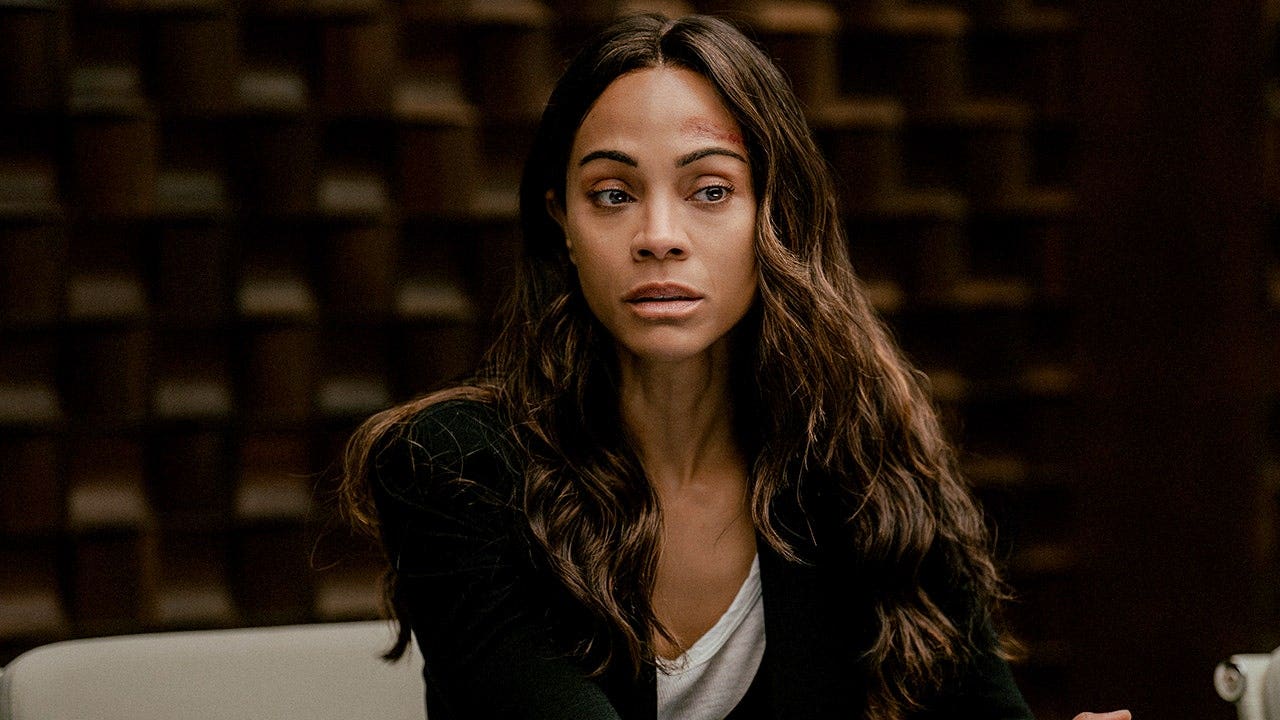

Wonder Woman 3 was one of the most significant casualties of the DC transition. A third adventure for Gal Gadot’s Diana Prince had been expected after Wonder Woman 1984, but the film did not move forward as part of the new plan for the franchise. The change was especially notable because the first Wonder Woman became one of the defining superhero films of its era and gave the character a central place in the previous DC continuity.
For viewers who want more of Diana, the obvious alternative remains the original Wonder Woman. Patty Jenkins’ film combines a classic origin story with wartime drama and a strong sense of mythic adventure. It also provides the clearest introduction to the version of the character that audiences followed before the DCU’s reset. Wonder Woman 1984 can be watched afterward, although its tone and reception are considerably more divisive.
The cancellation of Wonder Woman 3 also leaves a gap for viewers looking for a female-led DC superhero story with a large-scale sense of ambition. Birds of Prey offers a more chaotic and comic approach, centered on Harley Quinn and a group of women forced into an uneasy alliance. It is not a substitute for Diana’s mythology, but it delivers energetic action, colorful character work, and a different perspective on DC’s women heroes.


Man of Steel 2 was another project that never reached production. Henry Cavill’s Superman remained a major point of discussion for years, particularly after his appearance in Black Adam suggested that the character might return to the center of the franchise. That direction ultimately changed, and the earlier version of Superman’s future was replaced by a new interpretation within the developing DCU.
The best alternative is Man of Steel itself, which remains the most substantial look at Cavill’s Superman. The film treats Clark Kent’s arrival as both a personal crisis and a global event, giving the character a serious, modernized origin. Viewers interested in a different future for Superman can also turn to Superman, which introduces a new chapter rather than continuing the earlier storyline. Together, the two films show how differently the same hero can be interpreted across separate continuities.
The proposed continuation of the Black Adam storyline also lost momentum. Black Adam was presented as a major addition to DC’s roster, with the possibility of future confrontations involving Superman and other powerful characters. Plans for a direct continuation did not survive the broader restructuring of the franchise, leaving the character’s cinematic future uncertain.


Anyone interested in the ideas behind Black Adam should watch Shazam! and Shazam! Fury of the Gods. Those films explore the magical side of DC through Billy Batson and his family, providing a lighter but still connected look at extraordinary powers, ancient mythology, and the responsibilities that come with them. Black Adam’s own film remains available for viewers who want to see the character’s introduction, but the Shazam movies offer a more developed version of the same supernatural corner of the universe.
One of the most widely discussed canceled projects was Batgirl. The film had been made for release through Warner Bros.’ evolving streaming strategy, but it was ultimately not released. Its absence became a symbol of how sharply the company’s approach to DC projects had changed, particularly as decisions about theatrical releases, streaming, and tax considerations began to influence the fate of completed or nearly completed productions.
There is no exact replacement for Batgirl because the film would have offered its own interpretation of Barbara Gordon. The closest starting point is Batman: The Animated Series, which remains one of the most influential DC productions and provides a rich introduction to Gotham’s heroes and villains. Viewers looking for live-action Gotham stories can choose The Batman, which presents a younger Bruce Wayne in a detective-focused world, or Birds of Prey, which explores the city from the perspective of characters operating outside Batman’s shadow.


A separate project centered on Black Canary was also connected to the same general period of DC development. The character had already attracted attention through Birds of Prey, and a solo story was discussed as a possible continuation. That project did not become part of the active DC film slate. For now, Birds of Prey is the essential viewing choice because it establishes the character, her relationships, and the distinctive style associated with her version of Gotham.
Several ambitious projects associated with the old shared universe were also abandoned, including New Gods and The Trench. New Gods was linked to the vast mythology created by Jack Kirby, while The Trench would have expanded the darker underwater horror elements introduced through Aquaman. Both concepts suggested very different directions for DC: one cosmic and operatic, the other eerie and creature-driven.
Viewers searching for a cosmic DC experience can watch Justice League or Zack Snyder’s Justice League, depending on which version of the team’s story they prefer. These films bring together several heroes and offer a glimpse of DC’s larger mythological ambitions. For a more focused aquatic adventure, Aquaman remains the natural alternative to The Trench. It includes the underwater kingdoms, monsters, and visual spectacle that made a darker spin-off seem possible in the first place.

:max_bytes(150000):strip_icc()/matt-damon-1-bbc7ad2114e24512a29df04ccd9a3140.jpg)
The cancellation of New Gods is also worth viewing alongside Superman, because both concepts are connected to the idea of expanding DC beyond familiar street-level superhero stories. New Gods promised a journey into an enormous cosmic mythology, while Superman can serve as a gateway to the wider scale of the new DCU. Whether future projects revisit that mythology remains separate from the fate of the original film, but the appetite for larger DC worlds has not disappeared.
Justice League Dark was another long-developing project that failed to reach the screen in its planned form. The concept would have brought together DC’s supernatural characters, including figures such as John Constantine, Zatanna, and Swamp Thing. The proposed series was part of an effort to build a darker, more occult corner of the universe, but that version of the plan was eventually abandoned.
The strongest replacement is Constantine, the live-action film starring Keanu Reeves. It is not a direct adaptation of the proposed series, yet it captures the character’s cynical attitude and supernatural investigations. The animated film Justice League Dark is an even more direct choice for audiences who want to see DC’s magical heroes working as a team. It delivers the occult atmosphere and unusual character combinations that the canceled live-action project was expected to provide.


Strange Adventures was another television concept that did not materialize. The title suggested an anthology format capable of exploring unusual corners of DC mythology, but the show never became part of the released lineup. Its cancellation is a reminder that television development can be particularly fluid: a project may attract attention during its announcement phase without reaching a final production or distribution plan.
For an anthology-like DC experience, Love, Death & Robots is not a DC production but can satisfy viewers seeking short, visually ambitious genre stories. Within DC’s own library, the animated series Young Justice offers a broader range of characters and storylines, moving between personal drama, superhero action, and complex mythology. It is a useful alternative for anyone drawn to the idea of exploring less familiar heroes rather than following one central character.
Some projects were not simply canceled but transformed. The proposed Green Lantern television plans changed substantially before the current direction emerged. Instead of treating every early description as a promise of what will eventually appear, it is more accurate to view these changes as part of DC’s attempt to create a coherent shared universe. The title, format, characters, and creative approach can all shift during development.

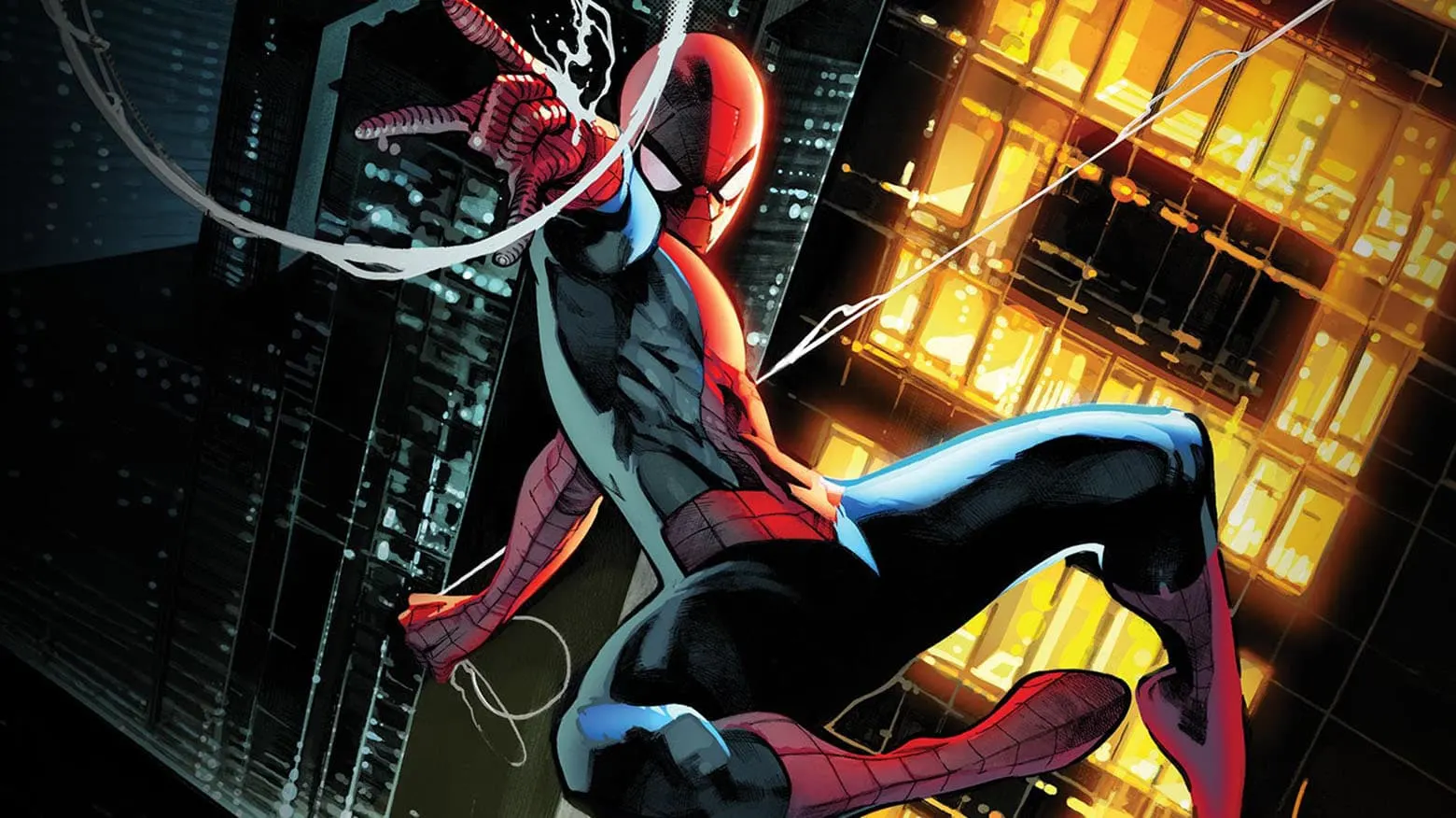
For a completed Green Lantern story, audiences can watch the 2011 film starring Ryan Reynolds, although it is best approached as a separate and imperfect experiment. A stronger alternative is the animated Green Lantern: First Flight, which offers a more focused introduction to Hal Jordan and the Corps. Animated DC productions frequently provide the chance to explore this mythology with greater freedom than live-action projects have managed.
The canceled and reshaped DC projects share a common pattern. Many belonged to the previous continuity, while others were caught between competing plans for cinema and streaming. Once the franchise adopted a new long-term structure, several projects no longer fit the direction being pursued. That does not necessarily mean the underlying characters are permanently unavailable. DC has repeatedly shown that a hero, villain, or story can return in a different form when the right creative plan emerges.
For viewers, the simplest approach is to treat the canceled projects as signposts rather than missing chapters. Wonder Woman, Man of Steel, Aquaman, Birds of Prey, Constantine, and the animated DC films all remain available as complete experiences. They reveal the ideas that once shaped DC’s screen ambitions without requiring audiences to wait for projects that are no longer moving forward.


The new DCU will eventually establish its own continuity, but its success will not erase the value of what came before. The canceled slate contains ambitious concepts, intriguing character combinations, and several stories that may still influence future productions. Until those possibilities return—or are replaced by entirely new ones—the existing DC catalogue offers plenty to watch, revisit, and compare.