The Dynamic Duo Takes Shape in “Batman & Robin: Year One”
DC’s Batman & Robin: Year One focuses on the early partnership between Batman and Dick Grayson, combining crime-fighting, detective work and the difficult process of building trust between a mentor and his young protégé.
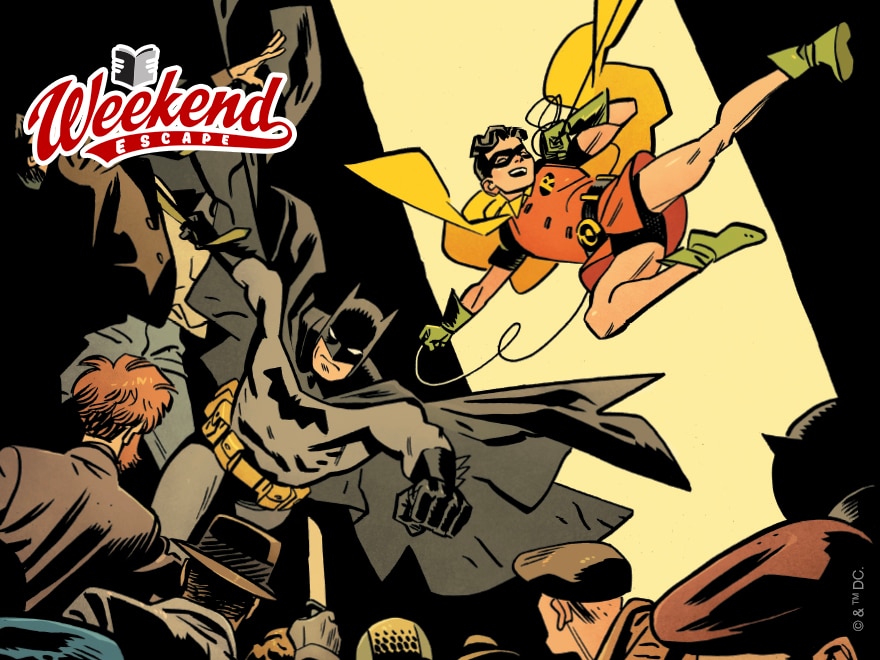
Batman & Robin: Year One presents the Caped Crusader at a defining stage of his life: not only as a crime-fighter, but also as a detective, a mentor and a man learning how to become a better father figure. At the center of the story is the developing relationship between Batman and Dick Grayson, a partnership that will eventually become one of the most recognizable pairings in superhero history.
The title’s focus is clear from its premise. This is a story about the Dynamic Duo taking shape. Batman already has an established identity as Gotham City’s masked protector, but working alongside Dick requires him to confront responsibilities that cannot be solved through strength, technology or investigation alone. He must learn how to guide another person, protect a partner and communicate with someone whose needs are different from his own.
That combination gives the story a broader emotional purpose. Batman’s work usually places him in opposition to criminals, but Batman & Robin: Year One also examines the challenge of building a relationship. The action of fighting crooks is only one part of the experience. The other part is the effort to form a team from two people who are still learning what their partnership means.


Dick Grayson’s presence changes the way Batman approaches his mission. Operating alone allows Batman to make decisions according to his own methods and limitations. With Dick beside him, those decisions affect someone else. Batman’s approach must therefore include instruction, judgment and care. The partnership asks him to think beyond the immediate objective and consider the example he is setting for the young person who has chosen to work with him.
This is where the story’s emphasis on Batman as a mentor becomes especially important. Mentorship requires more than passing along skills. It involves recognizing another person’s abilities, understanding their vulnerabilities and creating space for them to grow. Batman may be an experienced investigator and fighter, but his experience does not automatically make him an effective teacher. The story’s central development comes from his attempt to become one.
The father-figure element adds another layer to that process. Batman’s relationship with Dick is not presented simply as a professional arrangement between two masked crime-fighters. The supplied premise specifically identifies Batman’s effort to become a better father figure, making personal responsibility a major part of the story. His role is therefore both practical and emotional: he must help Dick function in the dangerous world of crime-fighting while also offering the guidance and support expected from a parent.


That responsibility creates a natural tension within the partnership. Batman’s mission involves danger, secrecy and difficult choices. Dick’s presence makes those qualities impossible to treat as purely personal concerns. A mentor must decide what to explain, what to protect and how to prepare a student for situations that may be frightening or unpredictable. The relationship becomes a test of Batman’s ability to balance his mission with his obligations to Dick.
The detective side of Batman remains essential to the story. The character is described as fighting crooks and being a detective, placing investigation alongside physical action. This distinction matters because Batman’s effectiveness does not depend only on confronting criminals directly. He is also defined by observation, reasoning and the determination to uncover the truth. Those qualities can become part of Dick’s education as the two learn how to approach crime-solving together.
Detective work also provides a useful foundation for the partnership. Solving a case requires attention, patience and the ability to connect details that may not initially appear related. A mentor and student can develop trust through that shared process. Batman may lead with experience, while Dick contributes his own perspective and energy. Even when they are still learning to work together, investigation gives them a common purpose beyond simply wearing matching symbols.



The story’s emphasis on fighting crooks keeps the partnership rooted in the familiar world of superhero adventure. Batman and Robin are not brought together only to discuss their relationship; they are active participants in the struggle against crime. Their work places the emotional development of the characters within a larger mission. Each encounter with criminals can also reveal how well the two heroes communicate, how they respond under pressure and how their individual abilities complement one another.
At the same time, the premise does not reduce Dick to an accessory. The idea of the Dynamic Duo taking shape suggests that the partnership must be built. Robin is not simply added to Batman’s existing mission as a decorative figure. Dick’s arrival changes the shape of that mission and challenges Batman to reconsider how he operates. The duo becomes a team through shared experience, not merely through the decision to appear together.
This makes the word “Year One” significant as a description of development. The story is concerned with an early period, when roles and expectations are still being established. Batman is still learning what kind of partner and guardian he can be. Dick is still finding his place beside an established hero. Their methods, responsibilities and personal connection are not presented as finished. They are taking form through the pressures of the work they have chosen to undertake.


For Batman, that period offers an opportunity to look at the character from a different angle. He remains the Caped Crusader, but the story highlights the human work required behind the symbol. Crime-fighting may demand courage and preparation, while mentorship demands patience and self-awareness. Becoming a better father figure requires Batman to recognize that protection is not the same as control and that guidance must involve trust.
For Dick, the partnership represents the beginning of an important role. The supplied material identifies him as the person Batman is trying to mentor and support, placing their relationship at the heart of the narrative. Dick’s development is therefore connected to Batman’s. As Batman learns to teach and protect, Dick learns how to participate in a demanding mission. Their growth is mutual, even if their experience levels are different.
The relationship also gives the story an accessible point of entry for readers who may know Batman primarily as a solitary hero. The image of Batman working alone is familiar, but the arrival of Robin introduces a different kind of story. The hero must share the mission, explain his choices and consider the consequences of his example. Those changes make the world of Batman more personal without removing the elements that define him as a detective and crime-fighter.



Batman & Robin: Year One can therefore be understood as a story about balance. Batman must balance the urgency of fighting crooks with the patience required to teach. He must balance his instincts as an independent operator with the cooperation required by a team. He must balance the authority of a mentor with the warmth expected from a father figure. Each responsibility adds pressure, but each also creates the possibility of a stronger partnership.
The story’s emotional appeal comes from watching that balance develop rather than assuming it already exists. Batman is described as working to become better, which makes improvement an active part of the narrative. He is not simply given the qualities of an ideal mentor. He is engaged in the process of learning how to fulfill that role. This framing allows the relationship to feel like a journey, with the partnership shaped by effort, mistakes and continued commitment.
The same idea applies to the Dynamic Duo itself. A partnership is not created solely by assigning two characters to the same mission. It depends on communication and mutual confidence. Batman and Dick must discover how to operate together, and that discovery is central to the meaning of their first year. Their success is measured not only by the criminals they confront, but also by the trust they build between one another.



Because the story combines action, investigation and family-oriented character development, it reflects several dimensions of Batman’s identity at once. Readers can find the classic appeal of a hero pursuing criminals, the intellectual appeal of detective work and the personal interest of a relationship that demands change. None of these elements needs to stand apart from the others. Together, they explain why the partnership matters.
The father-and-son dynamic also changes the stakes of danger. When Batman faces a threat alone, the consequences are his to bear. When Dick joins him, Batman must account for Dick’s safety and development. That does not remove the danger from their work, but it gives the danger a personal dimension. Batman’s choices carry responsibility for another person, making each mission part of his larger effort to protect and guide.
Ultimately, Batman & Robin: Year One is about the beginning of an enduring partnership and the work required to make it meaningful. Batman brings experience as a detective and fighter, while Dick becomes the young partner he is trying to guide. Their shared battles against crooks form the external action, but the internal story is Batman’s attempt to become a more capable mentor and father figure.

The Dynamic Duo takes shape through that combination of purpose and relationship. Batman continues to pursue justice, but he no longer approaches the mission only as an individual. Dick’s presence asks him to teach, listen and take responsibility in new ways. In return, the partnership gives Dick a place within the mission and establishes the foundation for his growth. The result is a story centered not only on how Batman fights crime, but on how he learns to stand beside someone else.
By presenting Batman at his finest as a crime-fighter, detective and mentor in progress, the story places character development alongside superhero action. Its core question is not simply whether Batman and Dick can defeat criminals. It is whether they can become a team, and whether Batman can become the kind of guide Dick needs. That question gives their first year lasting importance and makes the formation of the Dynamic Duo the story’s defining achievement.