Jonathan Lipnicki Embraces a Fearless New Chapter With ‘Primetime’
The former child star reflects on his daring role in Lance Oppenheim’s ‘Primetime,’ the challenge of baring all on screen and the decision to leave Los Angeles behind.

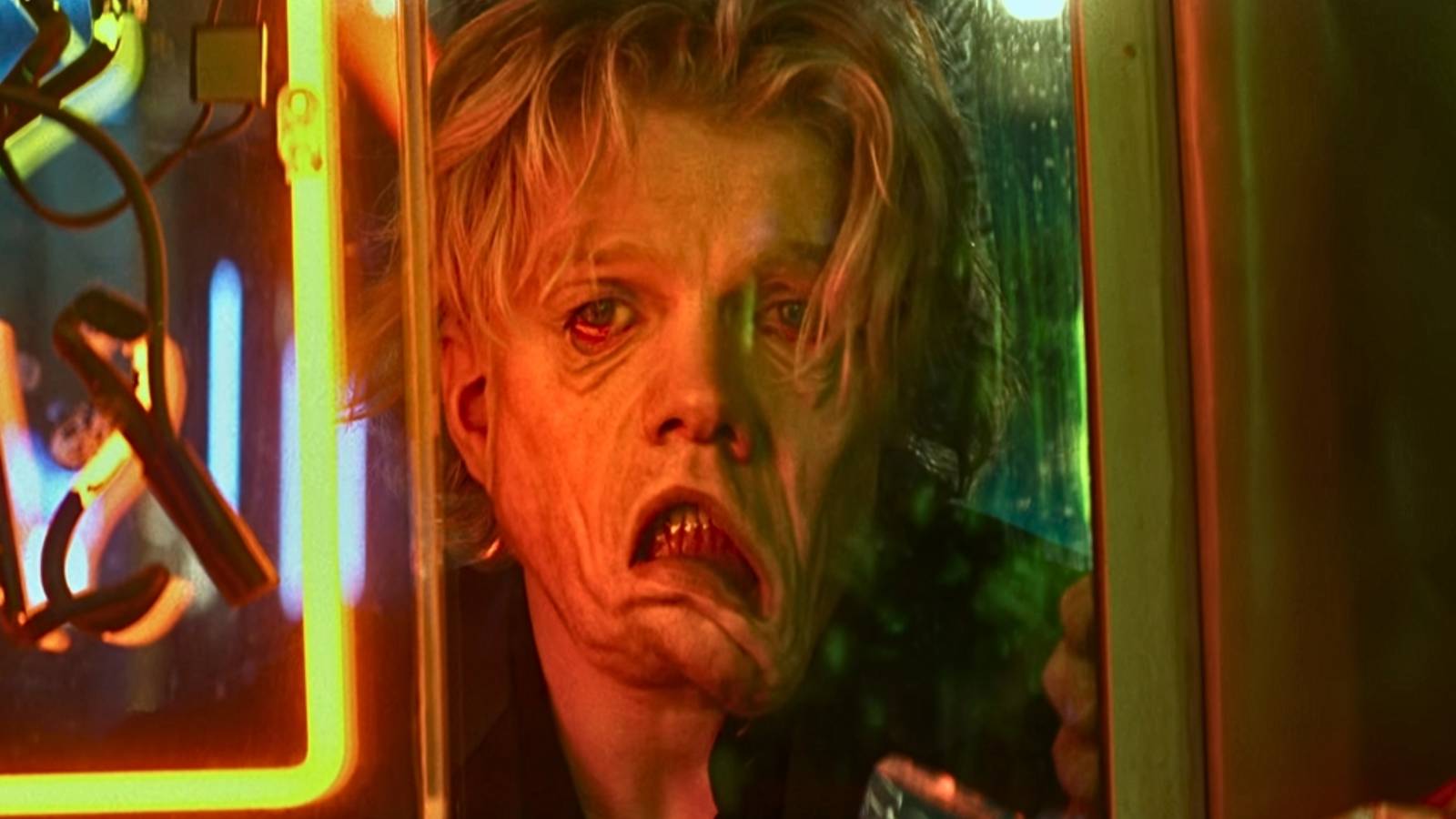
Jonathan Lipnicki is entering a new chapter with a role that asks him to be more exposed, more daring and more emotionally open than audiences may expect. The actor, who became widely recognized as a child after playing Ray Boyd in Jerry Maguire, is speaking candidly about his work in Primetime, a film directed by Lance Oppenheim. The project has placed Lipnicki in a position that demands courage, including a scene in which he bares all.
For many viewers, Lipnicki remains closely associated with the image of the bright, memorable child who told Tom Cruise’s character that “a human head weighs eight pounds.” The line became one of Jerry Maguire’s most recognizable moments, and Lipnicki’s performance helped make him a familiar face at a remarkably young age. Decades later, however, he is making clear that his career cannot be defined by a single film, a single performance or the expectations attached to childhood fame.
That tension sits at the heart of his discussion of Primetime. The role is not presented as a simple attempt to recreate the attention he received as a young actor. Instead, it represents a willingness to accept an uncomfortable challenge and to let audiences see him in a different way. The decision to appear nude is particularly significant because it requires an actor to surrender a level of control that performers often work hard to maintain. Lipnicki’s comments suggest that the risk was part of the reason he wanted to take the role.



There is a difference between being noticed and being brave. Lipnicki has already experienced the first at an age when most people are still discovering their interests. With Primetime, he is focused on the second. A bold performance can alter the way an audience understands an actor, but it can also invite judgment, surprise and assumptions. Choosing to move forward despite that uncertainty is an artistic decision as much as a personal one.
The physical demands of the part are only one aspect of the challenge. Baring all on screen can make an actor feel vulnerable even when the scene is carefully planned and professionally handled. The exposure is not merely visual. It can also feel like a statement about trust: trust in the director, trust in the material and trust that the moment belongs within the larger work. Lipnicki’s willingness to discuss the experience points to an understanding that the scene’s impact depends on more than shock value.
Lance Oppenheim’s involvement gives the film a clear creative identity. As the director of Primetime, Oppenheim is the filmmaker guiding the tone and shaping the circumstances in which Lipnicki’s performance is seen. For an actor attempting something outside the image that audiences may have formed years ago, that collaboration matters. A difficult choice becomes more meaningful when it serves the director’s vision rather than existing simply as a headline.



Lipnicki’s comments also reveal a broader attitude toward work. He describes himself as someone who wants to be brave and stubborn about what he loves. That stubbornness is not framed as an unwillingness to change. In this case, it appears to mean refusing to abandon an ambition simply because the path is difficult or because other people have already decided how they see him.
His most direct description of that outlook is simple: “I don’t quit.” The statement carries extra weight because child actors often face a complicated transition into adulthood. Early recognition can be both an advantage and a burden. It creates opportunities, but it can also leave performers competing with an image audiences remember from years earlier. Lipnicki’s position is that persistence remains more important than any temporary setback or outside expectation.
That persistence helps explain why a project like Primetime matters. It gives Lipnicki the opportunity to be considered on present terms rather than only through nostalgia. His earlier work will always be part of his history, and there is no reason to dismiss the affection viewers have for it. But a career cannot stand still simply because one performance became beloved. The actor is now using a more adult, demanding role to demonstrate that his creative life has continued beyond the moment that first made him famous.



The memory of Jerry Maguire is unusually durable. Lipnicki’s line about the weight of a human head became a piece of popular culture, connecting him permanently to a film that remains familiar to a broad audience. That kind of recognition can follow an actor for years. It can also overshadow quieter efforts to grow. When a performer takes on a role that challenges the audience’s established picture of them, the goal is not necessarily to erase the past. It is to add something new to it.
In that sense, the choice to bare all is symbolic as well as literal. Lipnicki is exposing himself to scrutiny and moving beyond the safety of what people already know. The decision asks audiences to meet him where he is now. It also communicates that he is prepared to accept roles that may be uncomfortable, unconventional or unfamiliar if they feel worthwhile.
That approach can be especially difficult for an actor whose public identity was formed during childhood. When people remember a performer as young, they may unconsciously continue to view that person through an earlier lens. Adult work then becomes an effort to establish a new relationship with the audience. Lipnicki’s discussion of Primetime acknowledges that challenge without treating his earlier success as something to hide.



Instead, he appears to regard his past as part of the foundation beneath his current choices. The child actor who delivered an unforgettable line and the adult performer taking on a vulnerable role are not separate people competing for attention. They are different stages of the same career. The new work does not need to cancel the old work in order to prove that Lipnicki has developed.
His decision to leave Los Angeles adds another dimension to that development. The move suggests a desire to rethink the environment surrounding his professional life and personal identity. The supplied account does not reduce the choice to one explanation, and neither does Lipnicki’s outlook appear to depend on a single dramatic gesture. What is clear is that leaving L.A. forms part of a larger effort to make deliberate choices rather than remain bound to the familiar path associated with his early career.
For actors, Los Angeles can represent opportunity, competition and an industry-centered way of life. Choosing to leave can therefore carry emotional and professional significance, even when the reasons are personal. In Lipnicki’s case, the decision sits alongside his comments about persistence and courage. Both the move and the role reflect a willingness to question what is expected and to decide for himself what comes next.


That does not mean he is rejecting the industry or the history that brought him to it. His continued work, and his readiness to talk about a demanding performance, suggest the opposite. He remains engaged with acting, but he is approaching it with a stronger sense of ownership. He wants the freedom to pursue work he cares about, even when doing so requires him to defend a choice or withstand uncertainty.
There is also a useful distinction between provocation and commitment. A performer can take a revealing role simply to generate attention, but Lipnicki’s comments place the emphasis elsewhere. The central ideas are bravery, stubbornness and refusing to quit. Those words point to a process rather than a publicity stunt. The role matters because it tests him and because it reflects the kind of artist he wants to be.
For viewers approaching Primetime, that context may change the way they see the performance. The scene in which Lipnicki bares all is likely to attract immediate attention, but the larger story is his willingness to accept vulnerability as part of the job. Exposure becomes meaningful when it supports character, atmosphere or emotional truth. Without that purpose, it is merely spectacle. Lipnicki’s account presents the choice as a serious professional risk, not a casual bid for headlines.

The conversation around his role also illustrates how difficult it can be for former child stars to define themselves in public. Their earliest performances are often remembered more vividly than their later work, and the audience can be reluctant to let the childhood image evolve. Lipnicki is not asking viewers to forget the boy from Jerry Maguire. He is asking them to recognize that the actor who made that impression has continued to grow.
That growth is expressed through action. He accepted a role that demanded unusual openness. He worked with Oppenheim on a film that places him outside the most familiar version of his screen identity. He has also made a significant personal decision by leaving Los Angeles. Taken together, those choices create a picture of someone attempting to build a career according to conviction rather than convenience.
His insistence that he does not quit may sound straightforward, but it is also the clearest summary of his position. Fame arrived early, yet early fame does not guarantee an easy or permanent career. Lipnicki’s path has required him to continue proving that he is more than a memorable child performance. The determination behind that effort now appears in a project that asks him to be seen without the protective distance of nostalgia.


Ultimately, Lipnicki’s story around Primetime is not only about nudity or a dramatic change in image. It is about choosing discomfort over stagnation. The role gives him an opportunity to challenge assumptions, while his comments provide a window into the resolve behind that challenge. He is embracing the possibility that brave work may invite strong reactions, because the alternative would be to remain confined by what audiences already know.
For an actor whose childhood performance has stayed in the public imagination, that is a meaningful step. Jonathan Lipnicki is not abandoning the past that made him famous. He is building on it, testing himself and insisting on the right to continue. In Primetime, his most revealing act may be the decision to keep moving forward, even when doing so requires him to stand fully exposed.