Spider-Man: Brand New Day May Return to Theaters With New Footage
The upcoming Spider-Man film could follow Avengers: Endgame’s example with a theatrical re-release designed to extend its box-office run.
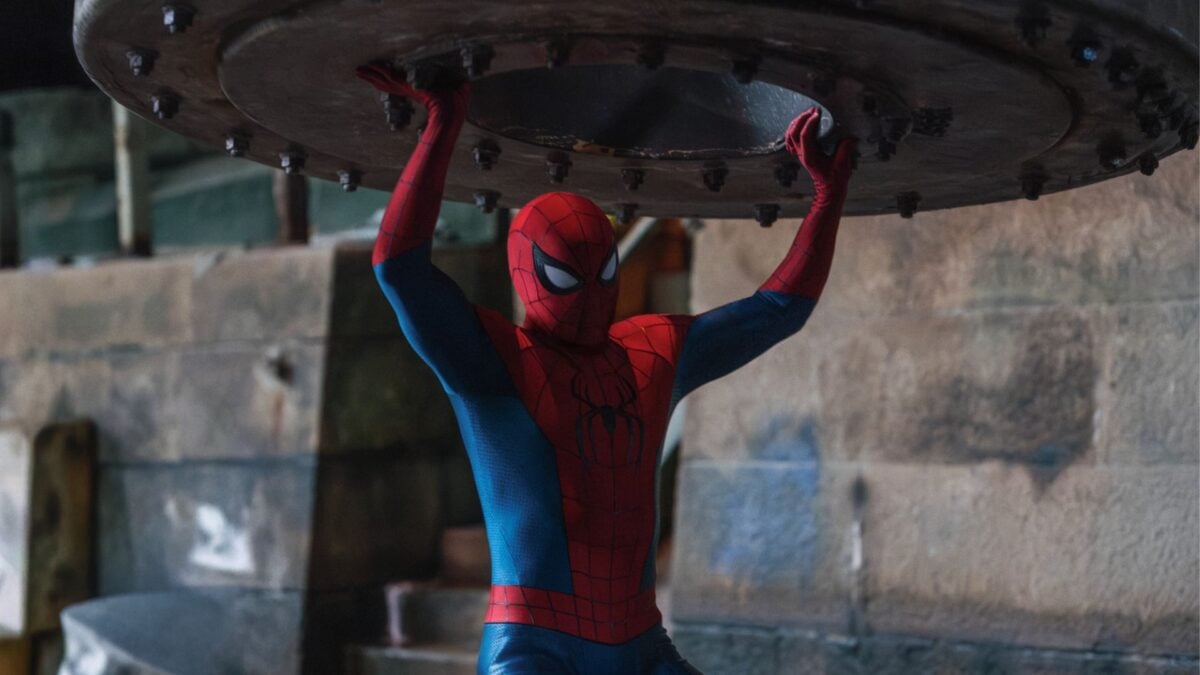
Spider-Man: Brand New Day may get a second chance to make an even bigger impact at the box office. The film could reportedly return to theaters with additional footage after its initial release, a strategy previously used by Avengers: Endgame to prolong the film’s run and encourage audiences to see it again.
Nothing about the possible re-release appears to be confirmed as a finished plan. At this stage, the idea is best understood as a possibility rather than an announced release date, a locked-in version of the movie, or a guarantee that audiences will receive an extended cut. Still, the suggestion is notable because it connects Brand New Day with one of the most successful theatrical events in modern movie history.
Avengers: Endgame demonstrated how a major blockbuster can use a return to cinemas as more than a routine encore. A version featuring new material gave fans another reason to buy a ticket, while the film continued its pursuit of box-office records. If Brand New Day follows a similar path, its possible re-release would be aimed at viewers who already saw the movie as well as those who waited for a later opportunity.


The comparison is especially striking because Brand New Day is described as having surpassed several of Endgame’s box-office records. That achievement would give the film a strong commercial argument for a second theatrical push. A re-release would not simply be an attempt to revive a struggling title. It could instead be a way to capitalize on a film that has already demonstrated significant audience demand.
For studios, the appeal of this approach is easy to understand. A completed movie can be presented to the public again without requiring an entirely new production. New footage may be a short scene, a sequence that expands the story, or material designed to reward viewers who return to the theater. Even a modest addition can create fresh conversation around a film that might otherwise be moving out of the spotlight.
That does not mean additional footage automatically guarantees a successful re-release. Audiences have become increasingly familiar with alternate cuts, bonus scenes, and expanded editions. The added material has to feel meaningful enough to justify another ticket, particularly for fans who have already paid to see the movie once or more. If the new content is perceived as a minor extra, the campaign may generate curiosity without creating a major second wave of ticket sales.


Brand New Day would also face the challenge of preserving the balance of its original version. A film built for a broad theatrical audience has to maintain its pacing and emotional shape. Adding footage can deepen a character, clarify a plot point, or create a stronger payoff, but it can also make a movie feel longer without making it richer. Any re-release would therefore depend on the quality and purpose of what is added.
The idea may appeal most strongly to Spider-Man’s established fan base. The character has a long history of inspiring repeat viewings, close attention to details, and lively discussion about alternate interpretations of a story. Fans who return for new footage may be looking for more than additional screen time. They may want material that changes how they understand the film, develops an important relationship, or offers a new piece of the larger story.
At the same time, the strategy could be valuable for casual moviegoers. People often miss a major release during its first theatrical run because of scheduling, cost, or competing commitments. A re-release gives those viewers another opportunity to experience the film on the big screen. If the return is promoted as a new event rather than a simple repeat engagement, it can attract audiences who did not participate the first time.



The timing would be crucial. A second release would need to arrive while public interest remains strong, but not so soon that audiences feel they are being asked to pay for essentially the same experience twice. It would also have to avoid being overwhelmed by other major films. Theatrical calendars can change quickly, and a re-release needs enough space to stand out rather than disappear among newer titles.
Marketing would play an equally important role. The studio would need to explain clearly what makes the returning version different. Vague promises of “more” may not be enough. Viewers would want to know whether the new footage expands the story, adds a scene after the credits, or presents a broader version of the movie. The campaign would not necessarily need to reveal every detail, but it would need to make the value of a return visit understandable.
There is also a difference between extending a film’s commercial life and rewriting its legacy. A re-release can keep a title in the cultural conversation, but it cannot replace the reaction to the original theatrical version. Reviews, audience responses, and box-office performance from the first run would still shape how the movie is remembered. New footage might add context, yet the original cut would remain the version many viewers encountered first.



Endgame’s example shows why studios continue to consider this kind of release. A blockbuster with an enormous fan base can turn its closing weeks into another moment of anticipation. Viewers who had already watched the film could be encouraged to return, while fans who wanted to participate in the conversation had another reason to go. The theatrical experience becomes not only a screening, but also an event with a limited sense of urgency.
That model is particularly useful for franchise films. A popular character already comes with a built-in audience, recognizable branding, and a network of online discussion. News of extra footage can prompt speculation long before the re-release arrives. Fans may debate what was removed, what could be added, and whether the material might affect the broader story. The conversation itself can help maintain attention between the original release and the return to theaters.
However, a Spider-Man re-release would carry high expectations. The character is so familiar that viewers may scrutinize every added moment. A brief scene could become the focus of extensive discussion, while an addition that feels disconnected could draw criticism. The more successful the initial film is, the more carefully its potential expansion would likely be judged.


The possible plan also raises questions about how modern blockbusters are released. The theatrical run is no longer always treated as the final version of a movie’s public life. Films may later appear in home formats with extra material, alternate editions, or behind-the-scenes features. Returning a title to cinemas with new footage adds another layer to that process, asking audiences to revisit a story before it becomes part of the home-viewing library.
For movie fans, that can be both exciting and frustrating. A new theatrical version offers a reason to experience a familiar film in a communal setting. Yet viewers may also wonder whether they are being encouraged to wait for a more complete edition instead of seeing the original release immediately. The success of the strategy depends partly on trust. Audiences need to feel that the first version was a complete movie, not an intentionally incomplete one held back for a later sale.
Brand New Day’s possible return would therefore need a clear creative rationale. The best re-releases do not merely add minutes; they add meaning. New footage could give an underdeveloped moment more room to breathe, strengthen the film’s emotional conclusion, or offer a perspective that was difficult to include in the initial cut. If the additions serve those purposes, the re-release may feel like a worthwhile refinement rather than a commercial afterthought.


Its reported box-office performance gives the idea an additional layer of interest. The source material describes Brand New Day as having beaten several records associated with Endgame. That comparison places the film in an unusually strong position and helps explain why a studio might consider extending its theatrical life. A movie that has already exceeded major benchmarks may have a realistic chance of turning a return engagement into another profitable event.
Still, records alone do not determine whether audiences will come back. Repeat business depends on the film’s fan enthusiasm, the perceived importance of the added footage, and the conditions surrounding the re-release. A strong first run can create momentum, but it can also mean that many of the most dedicated viewers have already watched the movie multiple times. The second campaign would need to reach beyond the earliest fans.
For now, the central word remains “may.” There is no confirmed indication in the supplied report that a re-release date has been announced or that the additional footage has been finalized. The prospect is intriguing because it follows a recognizable blockbuster strategy and because Brand New Day is said to have achieved results that invite comparison with Endgame.



If the plan moves forward, audiences may eventually be asked to return to the story for a new theatrical experience. Whether that means a longer cut, a handful of added scenes, or another form of expanded presentation remains unclear. What is clear is that the possibility reflects the growing importance of the event movie, where a successful film can continue to evolve as a theatrical attraction after its first run.
Until more details emerge, fans will have to treat the re-release as an open question. The film’s reported performance makes the idea commercially plausible, and Endgame provides a well-known precedent. But the final decision will depend on what new footage exists, how substantially it changes the experience, and whether viewers believe the return trip offers something they cannot get from simply watching the original version again.